






What Exactly Are Tannins?
Tannins are a type of natural plant compound called a polyphenol. Found in the skins, seeds, and stems of many plants, they serve as a defence mechanism, deterring pests with their astringent and bitter taste. You might recognise the mouth-puckering sensation
of tannins from strong black tea, red wine, or the skin of an unripe banana. In nuts, tannins are most concentrated in the papery outer skin, like that found on almonds and walnuts. While they have antioxidant properties, high concentrations can interfere with the digestion of proteins and the absorption of certain minerals like iron and zinc. They are also the primary culprit behind the bitterness that can make some raw nuts less palatable.
The Simple Science of Soaking
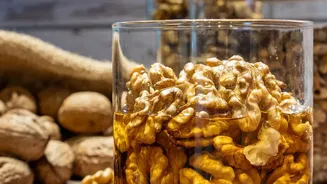
The secret to reducing tannins lies in one of their key properties: they are water-soluble. When you submerge nuts in water for an extended period, these bitter compounds slowly leach out of the nut and into the water. This is why the soaking water for nuts like walnuts and pecans often turns a dark, tea-like brown—that colour is the visible evidence of the tannins you have successfully removed. By mimicking the germination process that would happen in nature when a seed gets wet, soaking not only helps to shed tannins but also begins to deactivate other 'anti-nutrients' like phytic acid and enzyme inhibitors, which can make nuts easier to digest for some people.
Which Nuts Benefit the Most?
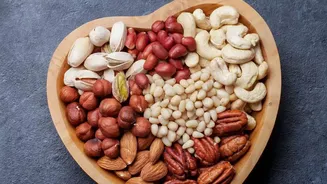
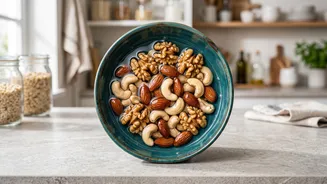
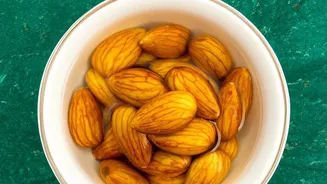
Not all nuts are created equal when it comes to tannins. The ones that benefit most from a good soak are those with higher tannin content, typically found in their skins. Walnuts and pecans are prime candidates; soaking significantly mellows their inherent bitterness. Almonds, particularly those with their skins on, are also high on the list. Soaking not only reduces tannins and phytic acid but also makes the skins easy to slip off. On the other hand, nuts that are naturally lower in tannins and often sold without skins, such as cashews, macadamia nuts, and pine nuts, don't require soaking to improve their flavour. A short soak for these nuts might soften them for recipes but won't have the same dramatic effect on bitterness.
A Practical Guide to Soaking Nuts
Ready to try it for yourself? The process is incredibly simple. Place your raw, unsalted nuts in a glass bowl or jar and cover them completely with filtered water. Some people add a pinch of sea salt, which is thought to help activate enzymes and neutralise inhibitors more effectively. Soaking times vary by nut density. Harder nuts like almonds benefit from a longer soak of 8–12 hours. More porous nuts like walnuts and pecans need about 4–8 hours; any longer and they can become too soft or develop off–flavours. After soaking, it's crucial to discard the murky water, as it contains the very tannins and other compounds you wanted to remove. Give the nuts a thorough rinse with fresh water. You can then use them immediately in smoothies or recipes, or dehydrate them in a low–temperature oven or a dehydrator until crisp again for snacking.