





Visa and Pre-Travel Essentials
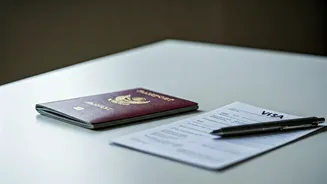
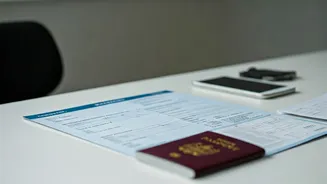
First things first: Indian passport holders need a visa to enter Japan. Japan does not offer visa-on-arrival for Indian citizens, so you must apply in advance. Applications can be submitted through VFS centres, and as of April 2024, an eVISA system has
been rolled out in India, which can make the process smoother. You will need a valid passport, photos, proof of flights and accommodation, a detailed itinerary, and recent bank statements. Ensure you start this process well in advance, as processing times can vary.
Rethink the Japan Rail Pass
The legendary Japan Rail (JR) Pass, once a must-buy for tourists, requires a second look. Following a massive price hike in late 2023 and another smaller one in April 2026, its value is no longer automatic. A 7-day ordinary pass now costs a significant amount, and you would need to take multiple long-distance Shinkansen (bullet train) trips to break even. For travellers focusing on one or two cities, or those on a tighter budget, buying individual train tickets or considering regional passes for specific areas is often more economical. Do the maths for your specific itinerary before you buy. The pass is no longer the default money-saver it once was.
Master the Modern Money Mix
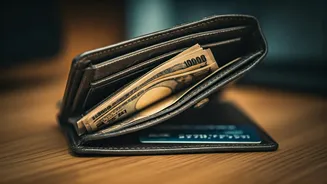
The old advice to carry large amounts of cash is outdated. Japan has become significantly more cashless, with over half of all transactions now digital. Your primary tools should be a combination of methods. Get a transit IC card like Suica or Pasmo immediately upon arrival; you can now add them digitally to your phone's wallet. These are perfect for local trains, buses, convenience stores, and vending machines. For larger purchases at hotels, restaurants, and department stores, your Indian credit or debit card (Visa and Mastercard are widely accepted) will work fine, especially with contactless tap-to-pay. However, do keep some cash (around ¥10,000-¥20,000) for smaller family-run eateries, temples, and festival stalls, which often remain cash-only.
Embrace Connectivity with an eSIM
Staying connected is crucial, and the choice is now simpler than ever. While pocket WiFi devices are still an option, especially for large groups staying together, eSIMs have become the superior choice for most travellers. An eSIM can be purchased and installed on your phone before you even leave India. Upon landing in Japan, you simply activate it for instant data access. This avoids the hassle of picking up and returning a physical device, and you don't have to worry about carrying and charging another gadget. For solo travellers or couples, an eSIM is often cheaper and far more convenient.
Navigate the Vegetarian Food Scene
For Indian vegetarians, finding food in Japan is easier than ever, but requires some knowledge. Many seemingly vegetarian dishes use dashi (fish stock), so it's important to be specific. Thankfully, awareness has grown. Look for 'Shojin Ryori', a traditional Buddhist vegetarian cuisine found near temples. Many ramen shops now offer vegetarian broth made from miso or mushrooms. You can also find vegetable tempura, tofu dishes, and vegetarian sushi like kappa maki (cucumber rolls). For days when you crave familiar flavours, major cities like Tokyo have numerous Indian restaurants. Apps like HappyCow can also help you locate vegetarian and vegan-friendly establishments.
Download the Right Digital Tools
Your smartphone is your best travel companion in Japan. Beyond the essentials, a few key apps will make your trip seamless. Google Maps is excellent for navigating the complex train and subway systems, often providing platform numbers and even carriage recommendations. For language barriers, Google Translate and its camera function (Google Lens) are indispensable for reading menus and signs. Another highly recommended app is JapanTravel by Navitime for detailed long-distance route planning. Having these apps downloaded and ready will save you time and stress.
A Note on Modern Etiquette
Japanese etiquette is important, and with the rise of overtourism, being a mindful traveller is more appreciated than ever. Simple things go a long way. Be mindful of your volume on public transport, where conversations are kept quiet and phone calls are avoided. Japan has very few public rubbish bins, so be prepared to carry your own trash in a small bag until you find one, often at a convenience store. When taking photos, be respectful of people and private property, especially near shrines and temples where people are praying. Stopping suddenly in a crowded walkway to check your phone can disrupt the flow of pedestrians, so it's polite to step to the side.