




Earth’s Restless Engine
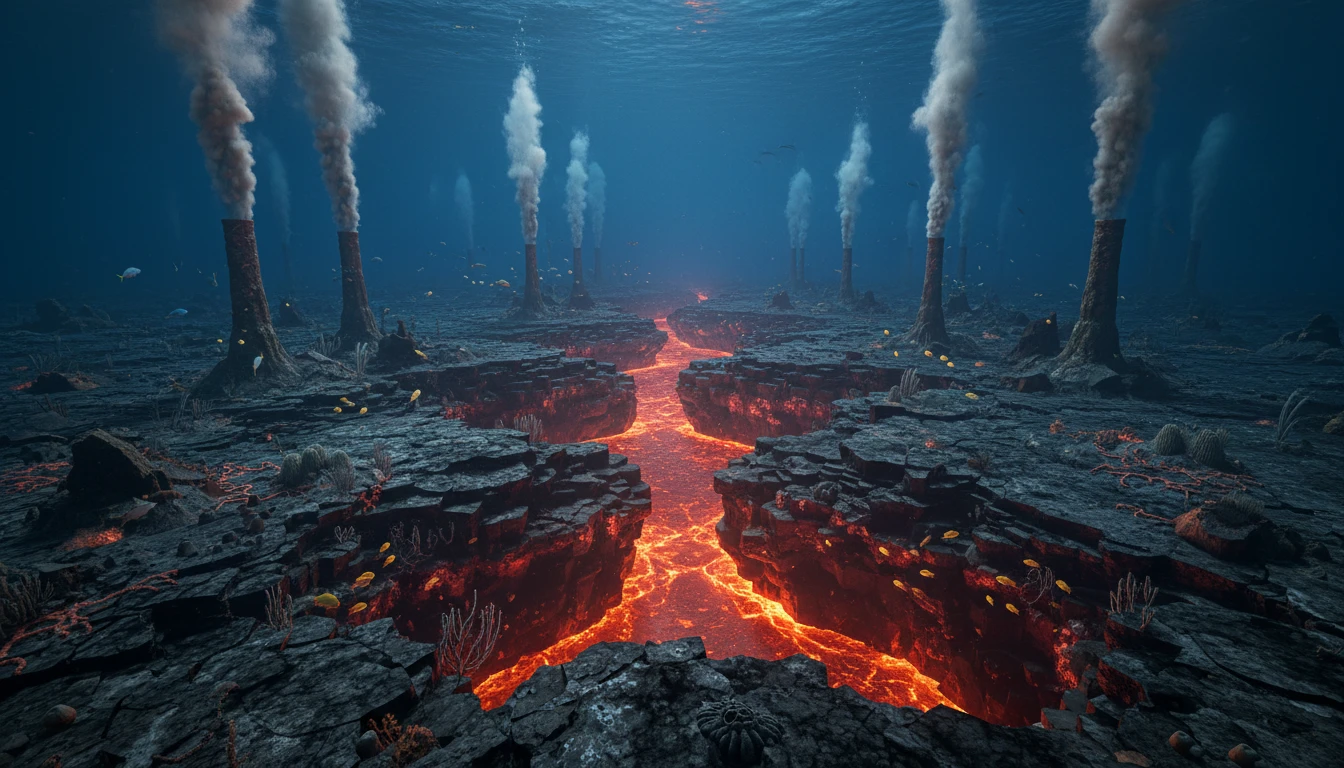
Our planet’s crust is not a single, solid shell but a puzzle of massive tectonic plates in slow, constant motion. Seafloor spreading occurs at mid-ocean ridges, vast underwater mountain ranges where these plates pull apart. As they separate, magma from
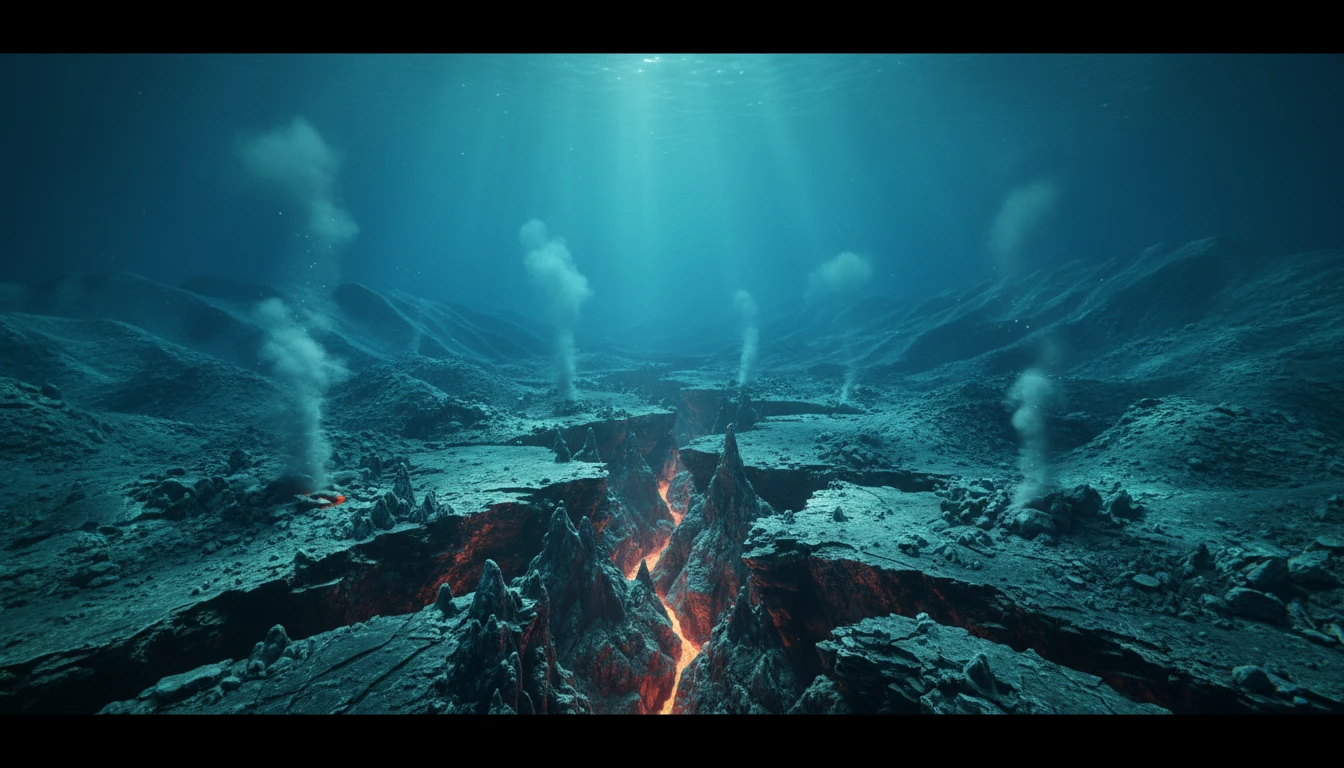
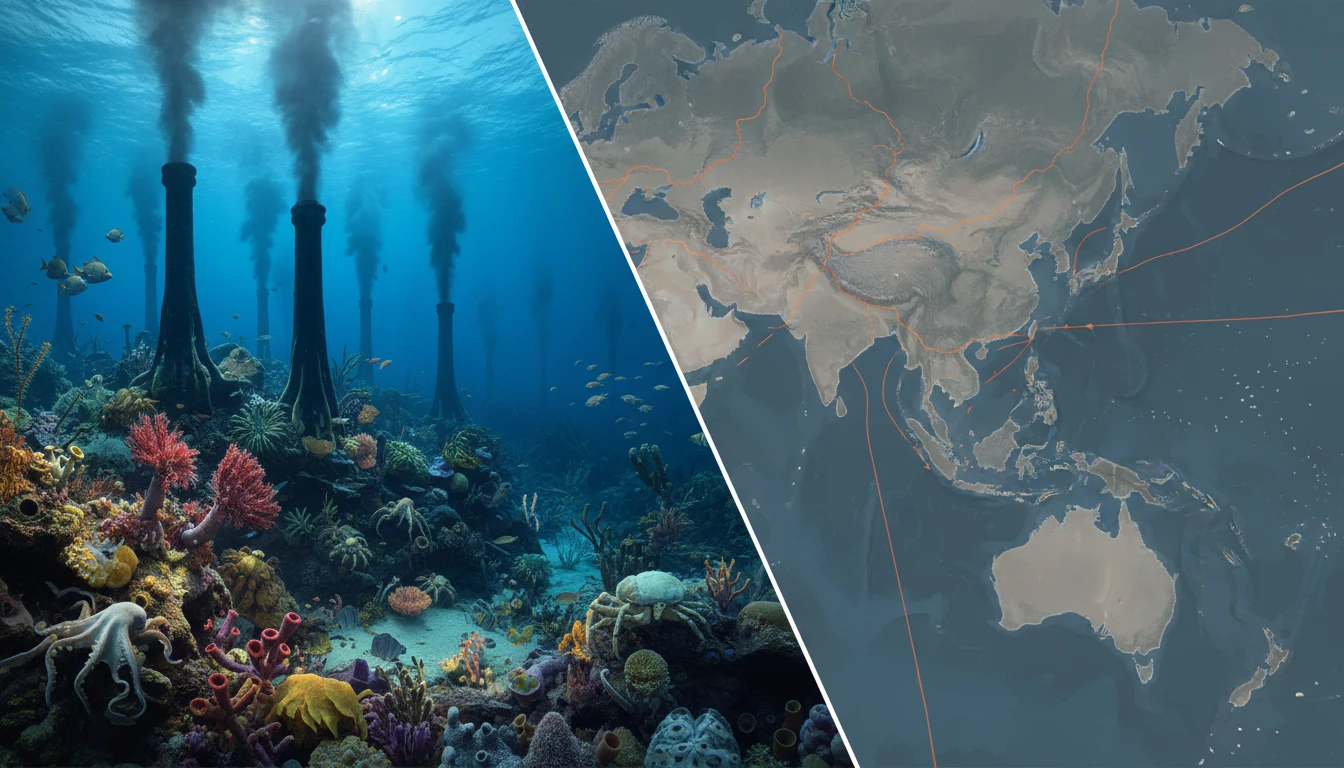
deep within the Earth rises to fill the gap, cools, and solidifies into new ocean floor. This process is the engine of plate tectonics, driving the continents and shaping the planet. In the Indian Ocean, this activity occurs along ridges like the Carlsberg Ridge and the Southeast Indian Ridge, which separate plates like the Indian, Australian, and Antarctic plates. While this movement often averages just centimetres per year, it is not always a slow, steady crawl. Recent findings show it can also happen in sudden, dramatic bursts.
A Groundbreaking Glimpse into the Deep
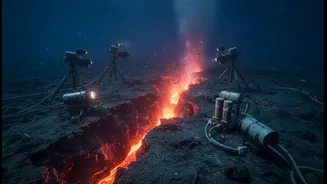
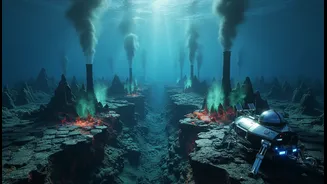
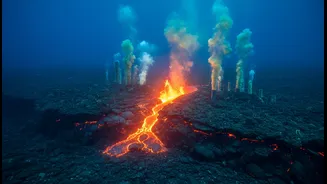
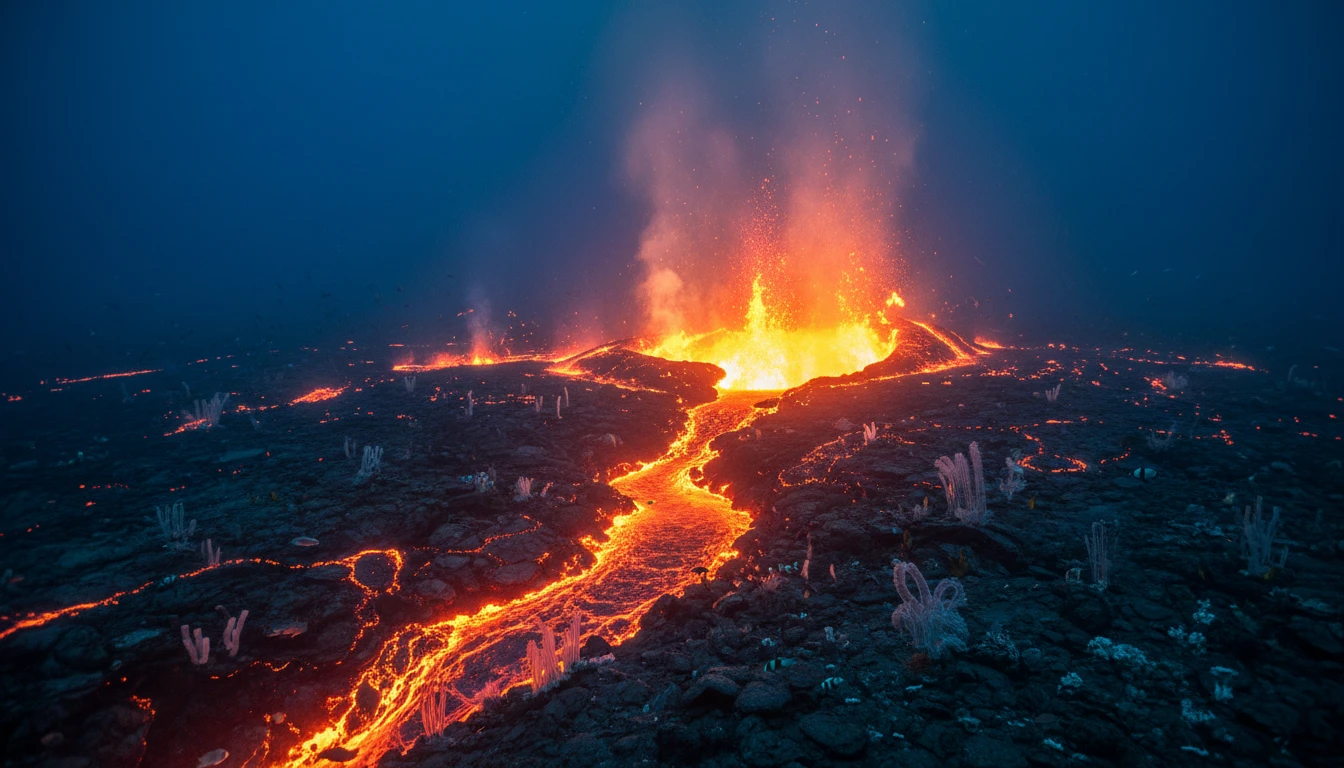
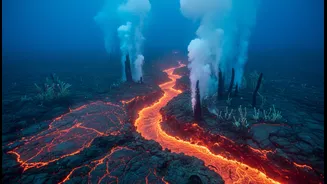
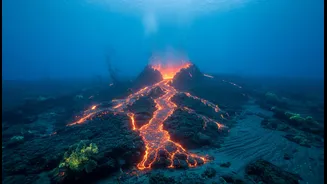
For a long time, the mechanics of seafloor spreading were inferred from ancient rock rather than seen in action. That changed in April 2024, when scientists captured a complete seafloor spreading event for the first time. An array of instruments deployed just two months earlier on the Southeast Indian Ridge recorded a stunning sequence of events. A swarm of earthquakes raced along the ridge as the plates tore apart, the seabed sank by four metres in days, and an estimated 160 million cubic metres of lava erupted, building a new section of Earth's crust. This landmark observation proved that decades worth of slow plate movement can be released in a single, powerful episode lasting only weeks.
The ‘Silent’ Slip and Hazard Risk
Crucially, the 2024 event revealed that much of the seafloor movement happened without generating major earthquakes—a phenomenon called “aseismic slip.” This quiet shifting solves a long-standing geological mystery known as the “seismic deficit,” where the measured movement of plates was greater than what could be accounted for by recorded earthquakes alone. This has significant implications for hazard research. If huge amounts of stress are released without seismic warning signs, it changes how scientists assess risk. Understanding where and how this aseismic slip occurs helps researchers identify areas where stress might be building up, potentially leading to future large earthquakes and tsunamis. For a region that experienced the devastating 2004 Indian Ocean tsunami, this knowledge is invaluable for improving hazard models and early warning systems.
The Need for Eyes on the Ocean Floor
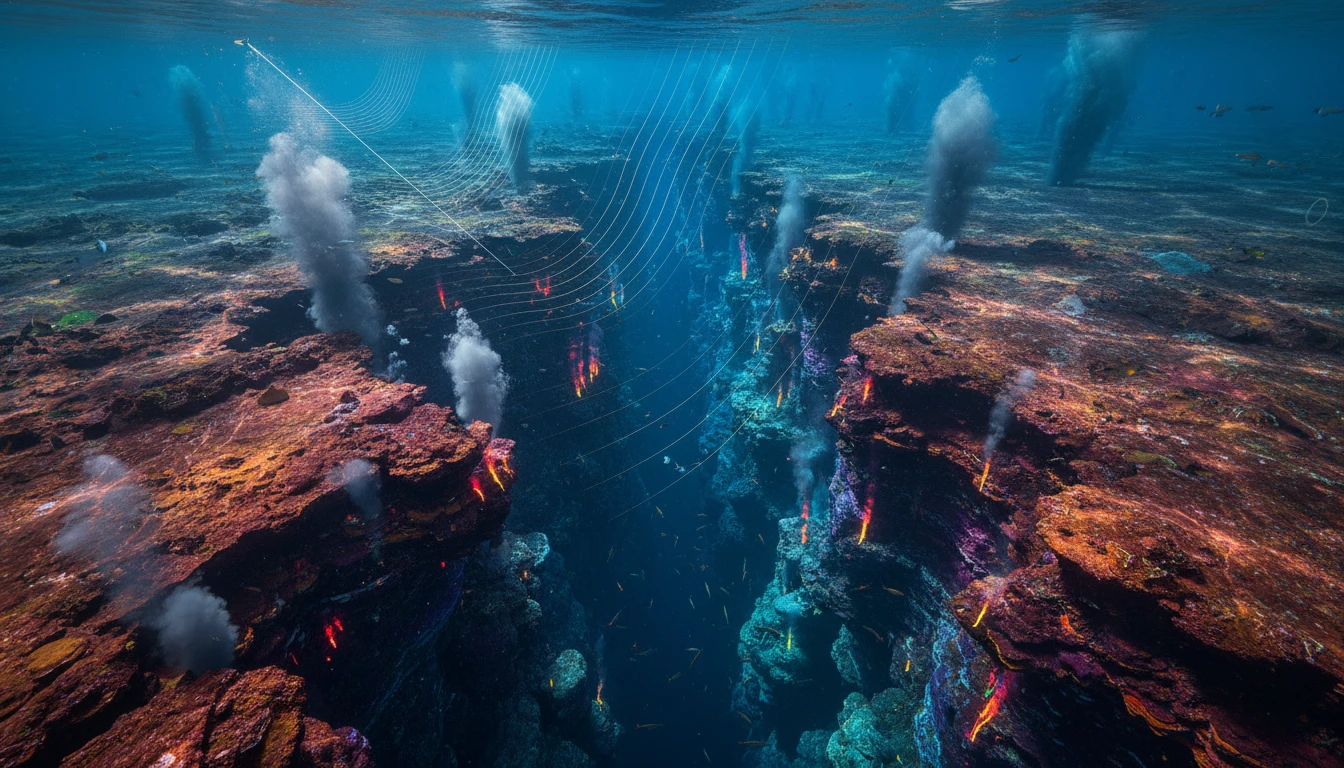
Observing these deep-sea processes requires a permanent presence in the ocean. Ship-based expeditions and satellites can only provide snapshots or surface-level data. This is where ocean-bottom observatories come in. These networks of sophisticated sensors, including seismometers and pressure gauges, are placed directly on the seafloor to monitor changes in real time. The groundbreaking 2024 observation was only possible because an observatory network happened to be in the right place at the right time. This underscores the need for more of these facilities. India's Deep Ocean Mission is already working on deploying a deep ocean underwater cabled observatory as part of its goal to better understand ocean processes and enhance safety.
Designing the Next Generation of Observatories
The new understanding of seafloor spreading directly influences how future observatories must be designed. Knowing that spreading can occur in rapid, large-scale events with significant aseismic slip means observatories need to be more robust and cover wider areas. They must be able to capture not just the tremors of an earthquake but also the subtle, silent deformation of the crust and changes in seafloor pressure that precede and accompany these events. Projects like SMART Cables, which aim to integrate sensors into the global network of undersea telecommunication cables, represent a cost-effective way to dramatically expand our monitoring capabilities. By collecting continuous data on pressure, temperature, and seismic acceleration, these observatories can turn the seafloor into a powerful tool for forecasting geohazards.