



Inspect the Dry Leaves
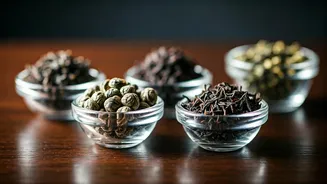
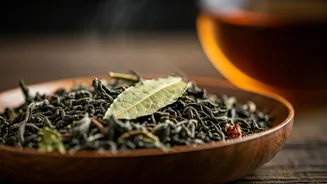
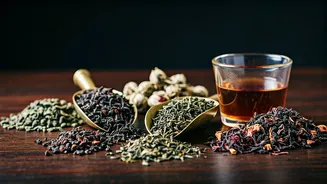
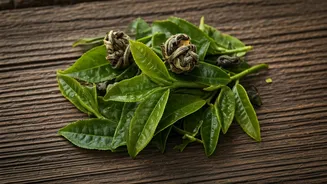
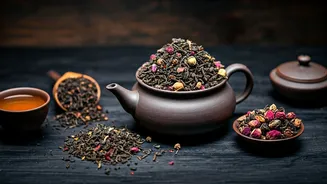
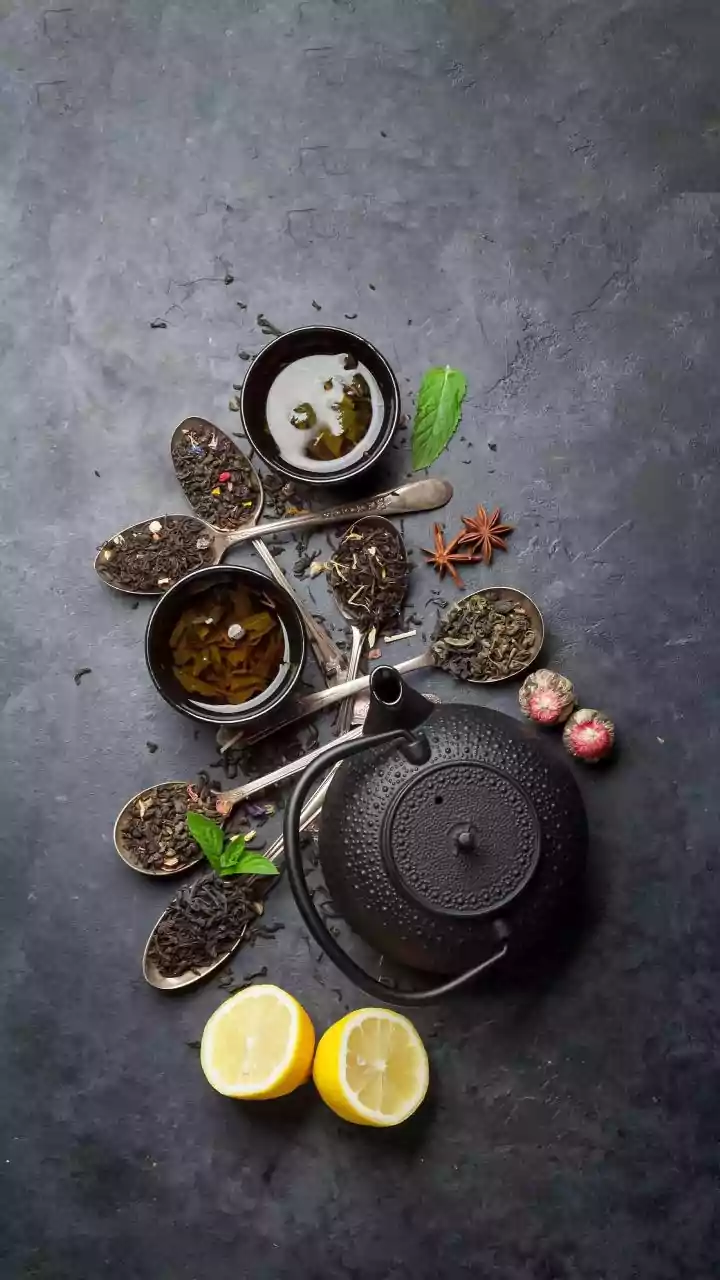
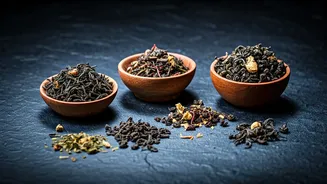
Before you even think about brewing, take a close look at the tea itself. High-quality loose-leaf tea generally consists of whole, unbroken leaves. If you see a lot of dust, small broken fragments, or stems, it often indicates lower-grade, machine-processed
tea. These smaller particles can release more tannins when steeped, leading to a bitter or astringent taste. The leaves should be uniform in size and shape, which signals careful harvesting and processing. Fresh, good-quality leaves should also have a vibrant, natural colour and a slight sheen, not appear dull or faded. While some broken pieces are normal, especially in compressed teas, a large proportion of dust is a red flag.
Trust Your Nose
Aroma is a powerful indicator of quality and freshness. Open the container and take a deep sniff. A good tea should have a distinct, pleasant, and complex fragrance. It might be floral, fruity, malty, or grassy, but it should smell clean and inviting. If the tea smells flat, dusty, musty, or has any off-putting chemical odours, it's a sign of poor quality, improper storage, or age. Some unscrupulous sellers may even add artificial fragrances to mask low-grade leaves, so be wary of scents that seem unnaturally strong or perfumed. A simple test is to hold a pinch of leaves in your warm palm for 30 seconds; if they feel sticky or leave a residue, they may contain additives.
Understand the Origin and Harvest Date
Knowing where and when your tea was grown is crucial. Reputable sellers will provide information about the tea's origin, often down to the specific region or estate. This is important because 'terroir'—the soil, climate, and altitude—plays a massive role in a tea's final flavour profile. The harvest date is just as critical, especially for green and white teas, where freshness is paramount. Early spring harvests (the 'first flush') are often considered the highest quality as the leaves are tender and full of stored nutrients from the plant's winter dormancy, resulting in sweeter, more complex flavours. While some teas, like pu-erh, are aged intentionally, most teas are best when fresh. A lack of transparency about origin or harvest is a reason to be cautious.
Observe the Brewed Tea
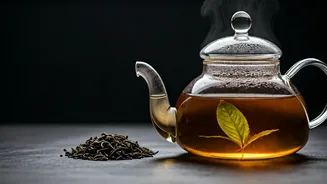
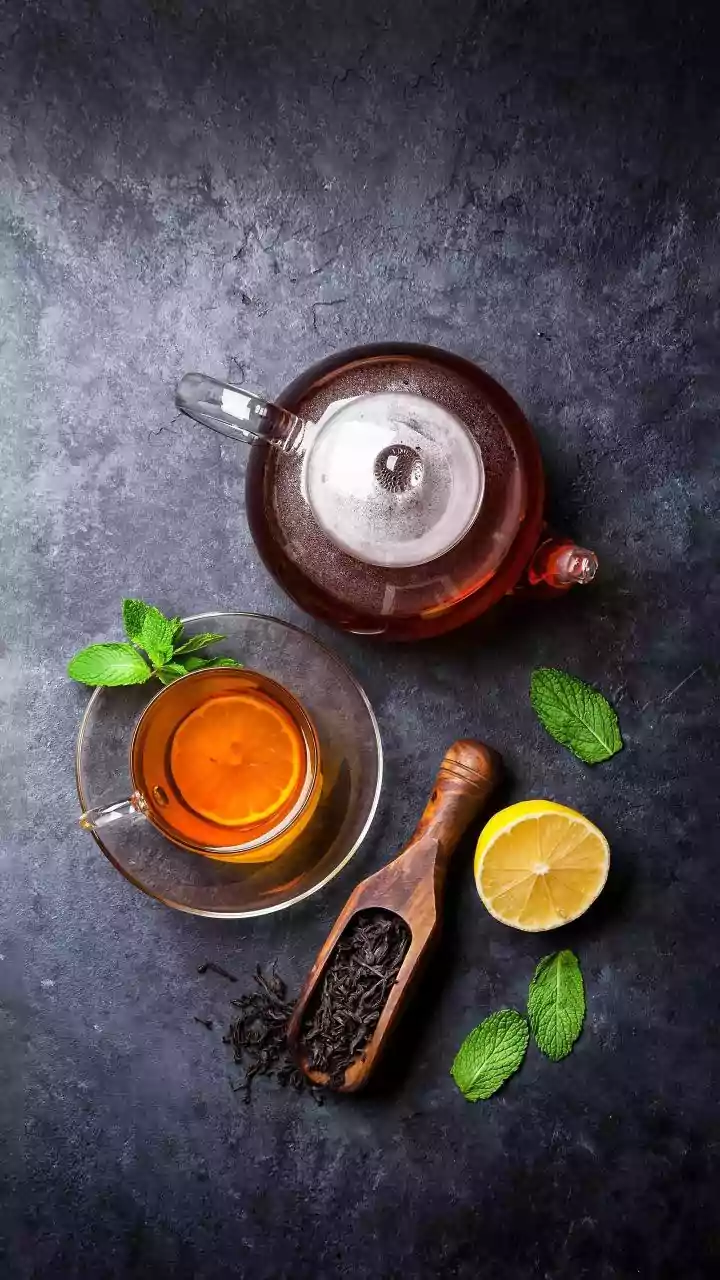
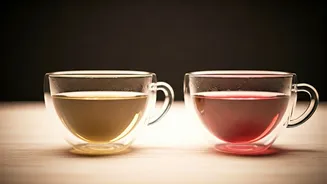
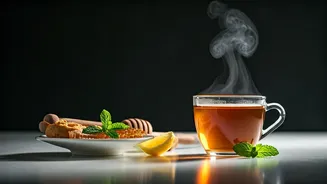
Once you brew the tea, your senses can tell you even more. The brewed liquid, or 'liquor', should be clear and bright, not cloudy or murky. While some teas with fine hairs on the leaves might appear slightly cloudy, a muddy appearance generally points to low-quality leaves or dust. The colour should be vibrant; for instance, a good green tea should be a shade of golden or emerald, not a dull brown, which can indicate staleness. After steeping, look at the wet leaves. They should unfurl to a recognizable, pliable leaf shape. If they remain torn or turn to mush, it confirms the poor quality of the dry leaf.
Evaluate the Taste and Mouthfeel
Ultimately, the final test is the taste. A high-quality tea will offer complexity and balance. It shouldn't be one-dimensionally bitter or astringent. Look for multiple layers of flavour and a pleasant mouthfeel. The taste should evolve as you drink it and leave a lingering, often sweet, aftertaste known as 'hui gan'. If a tea tastes overwhelmingly bitter from the first sip, flat, or watery, it's likely of poor quality. Don't be discouraged by one bad experience with a certain type of tea; it may have been a poor-quality example or brewed improperly. Experimenting with different suppliers and brewing parameters is part of the journey.