




Autumn’s Nutrient-Rich Hero
Sweet potato, or ‘shakarkandi’, is more than just a sweet and starchy vegetable; it's a nutritional powerhouse perfectly suited for the fall season. Its vibrant orange flesh is a clear indicator of its high beta-carotene content, which the body converts
into Vitamin A. This vitamin is crucial for supporting immune function, which is especially important as the weather cools. Sweet potatoes are also an excellent source of dietary fibre, aiding in digestion and helping to maintain stable blood sugar levels. Packed with vitamins C and B6, along with minerals like potassium and manganese, they offer a wholesome foundation for any meal, providing the sustained energy needed during colder months.
The Wisdom of Warming Spices
In traditional Indian food wisdom, including Ayurveda, autumn is a time to eat 'warming' foods to balance the body against the cold. Spices like ginger, cinnamon, cloves, and cardamom are prized for their ability to stoke the 'digestive fire,' or agni. This concept suggests that such spices can boost metabolism and improve digestion. Modern nutrition supports some of these ideas, noting that many of these spices have anti-inflammatory and antioxidant properties. For instance, ginger is known to aid circulation and soothe the digestive system, while cinnamon can help regulate blood sugar levels. When combined with sweet potato, these spices create a synergy that is both delicious and deeply fortifying.
Eastern India’s Five-Spice Secret
In kitchens across Bengal and Eastern India, one spice blend reigns supreme for flavouring vegetables: panch phoron. This mixture consists of five whole seeds: fenugreek (methi), nigella (kalonji), cumin (jeera), black mustard (rai), and fennel (saunf). Unlike ground masalas, these seeds are left whole and tempered in hot oil, a process called 'tadka', which makes them pop and release their distinct aromas. When used with sweet potato, panch phoron offers a complex flavour profile—the slight bitterness of fenugreek, the sweetness of fennel, and the pungency of mustard create a beautiful balance. These spices are also celebrated for their digestive benefits; cumin and fennel, in particular, are known to ease bloating and indigestion.
Southern Comfort with a Tangy Twist
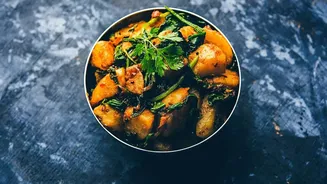
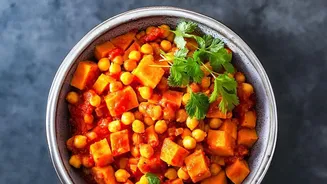
Heading south, the approach to sweet potato curry changes. Southern Indian preparations often feature a vibrant and tangy flavour profile. A typical curry might start with a tempering of mustard seeds, urad dal (split black gram), and fragrant curry leaves. The sweetness of the potato is often balanced with the sourness of tamarind or kokum, creating a delightful sweet-and-sour taste. Many regional recipes also incorporate coconut, either as milk or a freshly ground paste, which adds a creamy texture and richness that beautifully complements the sweet potato. Spices like coriander, turmeric, and a touch of red chilli provide warmth and colour, resulting in a curry that is layered, aromatic, and thoroughly comforting.
The Hearty Warmth of the North
In North India, sweet potato curries often take on a richer, heartier character. The base typically starts with a classic combination of sautéed onions, ginger, and garlic. The star spice blend here is garam masala, a fragrant mix that usually includes cinnamon, cloves, cardamom, black pepper, and cumin. The term 'garam' means 'hot,' not in the sense of spiciness but in its capacity to warm the body, making it ideal for autumn. These spices have been linked to numerous health benefits, including aiding digestion and possessing anti-inflammatory properties. This style of curry is robust and deeply flavourful, turning the simple sweet potato into a satisfying centrepiece for a meal served with roti or steamed rice.