




The Undisputed Champions of Snack Time
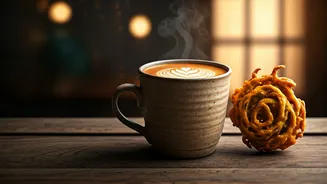
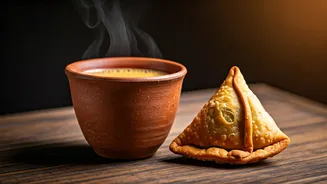
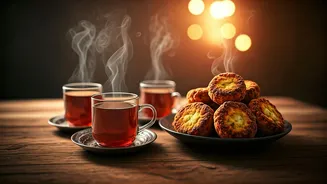
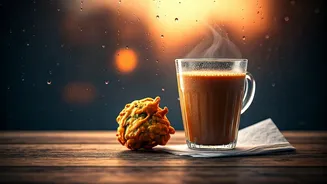
Let’s end the suspense. The combo we’re talking about is none other than the iconic duo of piping hot Masala Chai and a crispy, flaky Samosa. For millions across India, this isn't just a snack; it's a ritual, a comfort, and a small, accessible luxury.
The magic lies in the contrast. You take a bite of the savoury, spicy potato-filled pastry, its crunchy exterior giving way to a soft, warm filling. Then, you follow it with a sip of sweet, milky, and fragrant chai, the spices—cardamom, ginger, cloves—washing over your palate and cutting through the richness of the samosa. It’s a perfect dance of flavour, texture, and temperature that feels both invigorating and deeply comforting.
A Tale of Two Immigrants
What makes this pairing even more fascinating is that neither chai nor the samosa is originally from India. The samosa’s ancestor, the 'sambusak', was a small, savoury pastry that travelled to India from the Middle East and Central Asia around the 10th century, brought by merchants and adventurers. Over centuries, it was adapted to local tastes, with the potato filling becoming the standard after the Portuguese introduced the tuber to India. Similarly, tea was popularised by the British, who began cultivating it in Assam and Darjeeling in the 19th century to break China's monopoly. Initially, Indians were hesitant. It was only when vendors started adding milk, sugar, and spices to create the brew we now know as masala chai that it became a national obsession. These two culinary immigrants found a new home and, in the process, found each other.
The Science of Deliciousness
There's a reason this combination works so well on a scientific level. The samosa is typically deep-fried, leaving it rich in fat and carbohydrates, with a savoury and often spicy filling. The masala chai, on the other hand, provides a complex counterpoint. The tannins in the black tea help cleanse the palate of the oiliness from the samosa. The sweetness from the sugar balances the savoury and spicy notes of the filling. Furthermore, the warmth of the chai contrasts beautifully with the textures of the pastry, while the aromatic spices like ginger and cardamom provide a fragrant lift that prevents the snack from feeling too heavy. It’s a masterclass in culinary balance, achieved not in a fancy restaurant, but on street corners and in home kitchens across the country.
More Than Just Food: A Social Glue
The chai-samosa combo is the fuel for countless conversations and connections. It’s the default snack for office meetings, the go-to treat for college students gathering at a 'tapri' (roadside stall), and the unspoken welcome offered to guests at home. It transcends class and regional divides. Whether you're in a bustling Mumbai local train station or a quiet corner in Delhi, the sight of someone dunking a corner of a samosa into their tea is a familiar one. This pairing is synonymous with taking a break—a 'chai break' is a legitimate, almost sacred, part of the Indian workday. It’s a moment to pause, gossip, debate, and recharge before diving back into the chaos of life.
Crafting the Perfect Experience
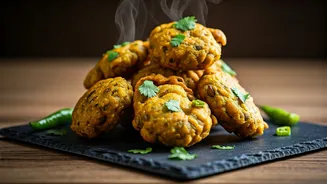
While you can find this pair almost anywhere, not all chai and samosas are created equal. A great samosa should have a crisp, blistered crust that isn't too thick or oily, holding a filling that is flavourful but not mushy. The potatoes should be perfectly cooked, complemented by peas and a balanced blend of spices like cumin, coriander, and amchur (dried mango powder) for a tangy kick. The perfect masala chai is a personal art form. The key is to simmer the tea leaves, spices, and ginger long enough to extract maximum flavour before adding milk and sugar. The goal is a brew that is 'kadak'—strong, robust, and aromatic. The best way to enjoy them? Freshly made, with a side of tamarind or mint chutney for the samosa, and good company to share the moment with.