



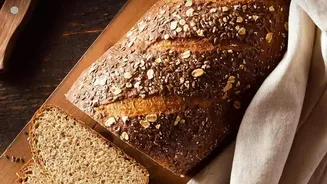

Meet the Seed: What is Kalonji?
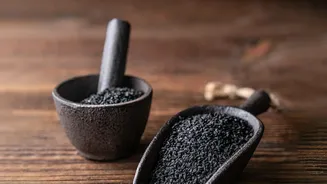
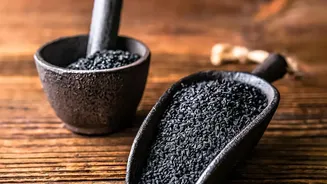
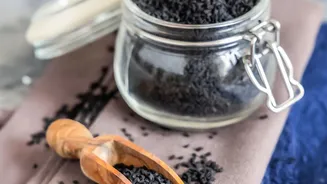
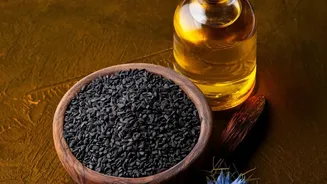
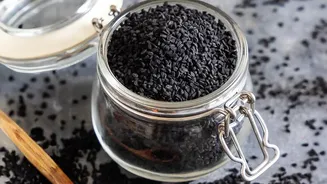
Known as nigella seeds in English, these tiny, matte black, angular seeds are a staple in many Indian and Middle Eastern kitchens, where they are more commonly called kalonji. They come from the Nigella sativa plant and are often mistaken for black sesame
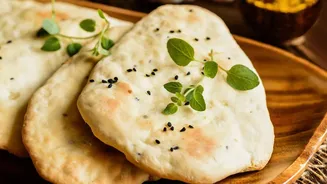
seeds or black cumin, but they are entirely different in flavour and origin. While sometimes called 'black onion seed', they have no relation to the onion family; the name likely comes from the subtle onion-like aroma they release when cooked. For generations, these seeds have been sprinkled over flatbreads like naan and mixed into pickles, valued for the distinctive character they bring to a dish.
A Complex and Savoury Flavour
The magic of nigella seeds lies in their unique taste. Raw, they have a sharp, peppery bite with a noticeable bitterness. However, once they meet heat, their flavour transforms. The bitterness softens, giving way to a toasty, nutty, and slightly smoky profile. The most common flavour notes used to describe kalonji are a combination of onion, black pepper, and oregano. This savoury complexity is what makes them an ideal ingredient for bread. Instead of sweetness, they add an earthy, aromatic depth that pairs wonderfully with the simple taste of a plain loaf, providing a satisfying counterpoint to rich foods.
Techniques for Adding Nigella Seeds
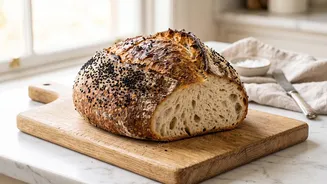
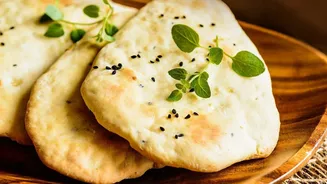
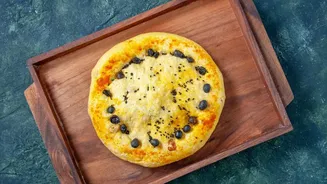
There are two primary ways to incorporate nigella seeds into your bread, and each offers a different result. The most common method is to use them as a topping. After shaping your dough and just before baking, simply brush the surface with a little water or a beaten egg and sprinkle the seeds over the top. This is the classic treatment for naan and other flatbreads, adding a beautiful visual contrast, a delightful crunch, and an immediate aromatic hit. Alternatively, for a more integrated flavour, you can knead the whole seeds directly into the dough. This infuses the entire loaf with their peppery, oniony notes, ensuring their unique taste is present in every single bite. A teaspoon or two is usually enough for a standard loaf, as their flavour can be quite assertive.
Unlock More Flavour by Toasting
For an even more profound flavour, consider briefly toasting the seeds before you use them. This simple step can make a significant difference, enhancing their nutty and aromatic qualities while mellowing any harsh bitterness. To do this, place the seeds in a dry frying pan over medium heat. Shake the pan for 30 to 60 seconds, or until you can smell a fragrant, nutty aroma. Be sure to watch them closely, as their small size means they can burn quickly. As soon as they are fragrant, tip them out of the hot pan onto a plate to cool, which stops them from cooking further. While this step isn't always necessary if you're sprinkling them on top of a loaf that will bake in a hot oven, it is highly recommended when mixing them into dough.
Perfect Pairings and Bread Ideas
Nigella seeds are incredibly versatile and complement a wide range of breads. They are a natural fit for Indian flatbreads like naan, kulcha, and paratha. Their flavour also shines in pitta breads, savoury scones, and rustic, crusty white loaves. Think about using them to top homemade burger buns or dinner rolls for an unexpected savoury twist. Some bakers even incorporate them into pull-apart loaves, where each segment is infused with their distinctive taste. You can start with a simple recipe: for a basic yeast loaf, try adding one to two teaspoons of toasted nigella seeds to your flour at the beginning of the process. The result will be a fragrant, savoury bread perfect for sandwiches, dipping in soups, or simply enjoying with a bit of butter.