


A Tradition Rooted in Auspiciousness
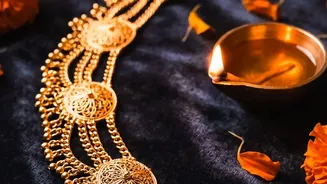
The surge in gold purchases during the festive season, particularly around Dhanteras and Diwali, is deeply embedded in cultural and religious beliefs, not market analysis. Dhanteras, which literally translates to 'wealth' (dhan) and 'thirteenth day' (teras),
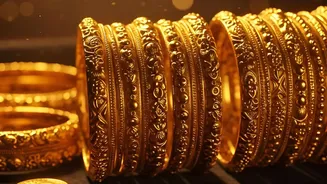
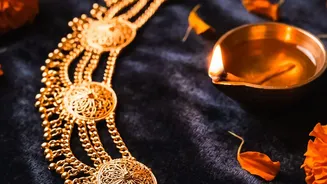
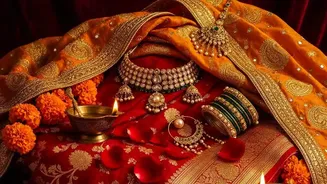
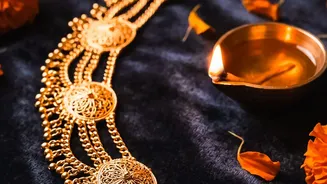
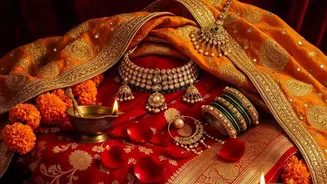
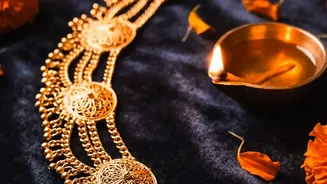
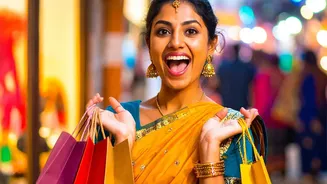
marks the beginning of Diwali celebrations. Tradition holds that buying precious metals on this day is auspicious and invites the blessings of Goddess Lakshmi, the deity of wealth and prosperity. It is an act of faith, a symbolic gesture to welcome good fortune into the home for the coming year. This cultural significance is the primary driver, transforming gold from a mere commodity into a vessel of hope and tradition passed down through generations.
Culture, Not a Crystal Ball
Financial analysts and market watchers should be cautious about interpreting this seasonal spike as a bullish signal for future gold prices. The festive rush is a predictable, demand-driven event based on a fixed cultural calendar, much like holiday shopping in other parts of the world. Jewellers and bullion associations prepare for this period well in advance, knowing that buying is motivated by tradition and upcoming weddings rather than speculation. In fact, this year's buying was spurred on by a recent dip in prices from record highs, which many consumers saw as a timely incentive to make their customary purchases. This behaviour—waiting for a price drop to fulfil a planned cultural purchase—is the opposite of speculative buying, which tries to get ahead of a price rise.
Gold's Enduring Role in the Indian Household
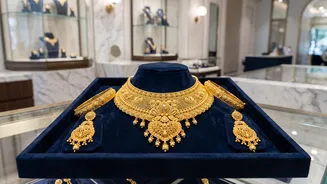
Beyond the festive cheer, gold holds a foundational role in the Indian household as a source of long-term financial security. It is a vital part of bridal trousseaus and serves as an accessible form of wealth that can be passed down as a family legacy or liquidated in times of need. This perception of gold as a stable, reliable asset that protects purchasing power across generations underpins its value. Even as prices remain elevated compared to previous years, the behaviour of consumers highlights this long-term view. Many are opting for lightweight jewellery, lower-carat gold, or smaller items like coins to ensure they can still partake in the tradition without overextending their budgets, demonstrating that the act of buying is often more important than the volume.
What the 2026 Season Reveals
Reports from the recent Dhanteras-Diwali period in November 2026 confirm these trends. The India Bullion and Jewellers Association (IBJA) reported a significant 30% jump in the volume of gold sold compared to the previous year, amounting to 52 tonnes valued at approximately ₹72,000 crore. This surge was largely attributed to a price correction from earlier peaks, which brought many buyers who had been waiting on the sidelines back into the market. Jewellers across the country noted that sales were also bolstered by the upcoming wedding season, with many families using the festive offers and favourable prices to make essential bridal purchases. While the value of sales grew, the preference for more affordable, lightweight designs remained a strong theme, indicating a practical, budget-conscious approach to a timeless tradition.