


The Core Machine: One Big Buy vs. Your Own Body
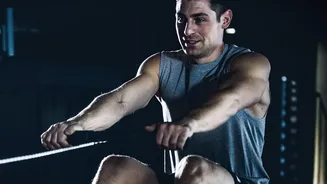
The most obvious difference lies in the central piece of equipment. For rowing, that's the rowing machine, also known as an ergometer. This is a single, significant purchase. Budget-friendly magnetic or hydraulic rowers can be found for under $500, while
high-end air or water resistance models, like the popular Concept2, can range from $900 to over $1,600. This one-time cost, while substantial, covers the primary engine of your workout for years to come.Dancing, on the other hand, primarily uses your own body as the main equipment. For many styles like hip-hop, Zumba, or other fitness-focused dance, you need nothing more than an open space to begin. For more technical styles like ballet, you might eventually want to add a portable barre or special flooring, but it's not a day-one necessity. This makes the initial barrier to entry for dancing significantly lower.
The Right Attire: Specialty Shoes vs. Simple Comfort
Your clothing needs for rowing are straightforward: comfort and safety. The key is to wear form-fitting clothes that won't get caught in the sliding seat or handle. Think leggings, athletic shorts, and a breathable t-shirt or tank top made of synthetic, moisture-wicking material. Baggy shorts or shirts with front pockets are a hazard. Any standard athletic trainer is suitable for footwear.Dance attire is far more varied and depends entirely on the style. Ballet requires specific items: a leotard, tights, and soft ballet slippers, with prices for beginner shoes often starting around $25-$50. Jazz and tap have their own unique shoes, which are essential for performing the correct technique. Hip-hop is more relaxed, often just requiring comfortable clothes and a good pair of sneakers. While you can start many dance forms with basic workout wear, progressing often means investing in style-specific, and sometimes costly, apparel and footwear.
The Footprint: Dedicated Space vs. Flexible Area
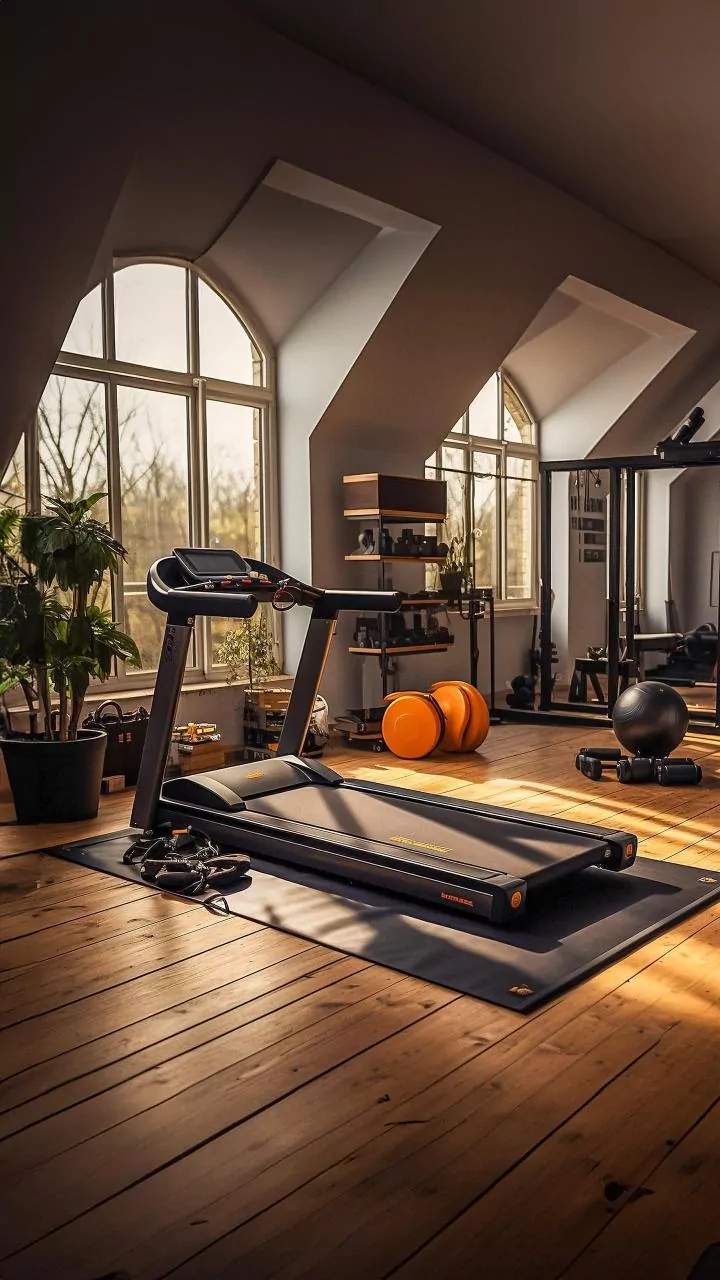
A rowing machine requires a dedicated, non-negotiable footprint. A typical machine is about 8 feet long and 2 feet wide when assembled. For safe and comfortable use, you should plan for a clear rectangular area of approximately 9 feet by 4 feet to allow for full range of motion. While many rowers can be stored vertically or separated into two pieces, you still need sufficient ceiling height (often over 7 feet) for upright storage and a clear path to move it.Dancing offers more flexibility. A living room with the coffee table pushed aside can become a temporary studio. For general dance fitness, a space where you can take a few steps in any direction without hitting furniture is usually enough. Technical styles like ballet or routines with wide, traveling steps will demand more open floor, but the space doesn't need to be permanently dedicated. For those serious about home practice, a portable dance mat and a mirror are helpful additions.
The Cost Breakdown: Upfront Investment vs. Ongoing Expenses
The financial commitment for rowing is front-loaded. Your main expense is the machine itself, which can be a significant one-time purchase. After that, costs are minimal. You might opt for a subscription to a workout app (some 'smart' rowers require them for full functionality), or accessories like a seat cushion or heart rate monitor, but these are often optional. Over several years, the cost-per-workout for a home rower can become very low compared to a recurring gym membership.Dancing can have a very low initial cost, but expenses can accumulate. If you take classes, studio fees are a major ongoing cost. A single pair of quality dance shoes can range from $25 for basic ballet slippers to well over $100 for specialized tap or ballroom shoes. As you advance, you'll need to replace shoes and apparel. While you can dance for free at home using online videos, the cost of classes, workshops, and performance-related gear can add up over time, potentially exceeding the one-time cost of a rower.