







A Quick Refresher on Skin Cycling
First, let's revisit what skin cycling is. Popularised by dermatologist Dr. Whitney Bowe, it's a strategic way to use potent skincare ingredients to maximize their benefits while minimizing irritation. The classic model is a four-night cycle: Night 1
is for exfoliation (think AHAs or BHAs), Night 2 is for a retinoid, and Nights 3 and 4 are for recovery, where you focus solely on hydrating and repairing your skin barrier. The entire concept was created to prevent the overuse of powerful ingredients, which can lead to sensitivity, redness, and a compromised skin barrier. It provides a structured framework that is particularly helpful for those new to active ingredients or anyone with sensitive skin.
The Evolution From Aggressive to Gentle
When skin cycling first went viral, many users focused on the 'active' nights, sometimes reaching for the strongest exfoliants and retinoids they could find. This often led to the very irritation the routine was designed to prevent. However, the conversation has evolved. Skincare consumers are now more educated about the importance of the skin barrier—the outermost layer of your skin that protects you from environmental stressors and locks in moisture. The understanding has shifted: the 'recovery' nights are not just downtime; they are the most crucial part of the cycle. This focus on healing and repair is what has given the trend its longevity. It's less about aggressively treating the skin and more about working with it.
The Heroes of the Recovery Phase
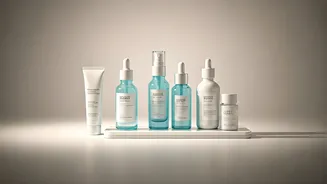
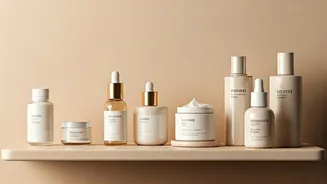
The success of a gentle skin cycling routine lies in the products used on recovery nights. These are the ingredients that soothe, hydrate, and rebuild. Ceramides are lipids that are naturally found in skin and are essential for barrier function. Hyaluronic acid is another powerhouse, a humectant that draws moisture into the skin, leaving it plump and hydrated. Niacinamide is a form of vitamin B3 that helps calm inflammation, reduce redness, and improve the skin’s overall health. Peptides and soothing ingredients like aloe, chamomile, and squalane also play a starring role in calming the skin after using active ingredients. The goal during recovery is to use products that are free of alcohol and fragrances, focusing entirely on nourishment.
How to Build a Gentle Cycling Routine
Building a gentle cycling routine is about smart choices. Always start with a gentle, non-stripping cleanser. On exfoliation night, consider a milder chemical exfoliant like lactic or mandelic acid instead of a high-concentration glycolic acid, especially if you have sensitive skin. For your retinoid night, start with a low concentration and consider the 'sandwich' method—applying a layer of moisturizer before and after your retinoid to buffer any potential irritation. On your two (or even three) recovery nights, layer hydrating serums and a barrier-repairing moisturizer. The most important rule is to listen to your skin. If it feels tight, dry, or irritated, add an extra recovery day. And never forget the non-negotiable final step every morning: a broad-spectrum sunscreen with at least SPF 30, as both exfoliants and retinoids make your skin more sensitive to the sun.