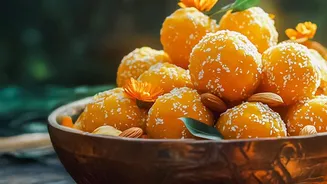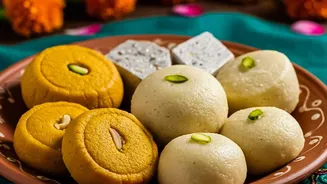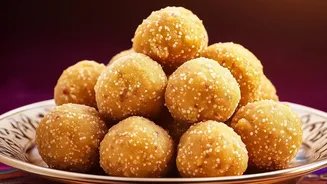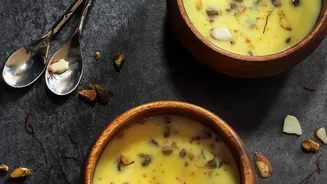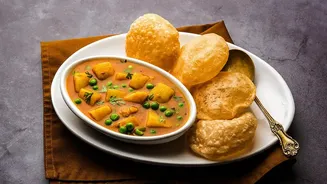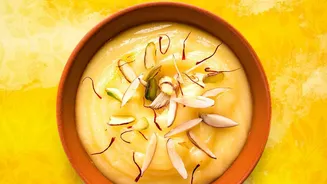

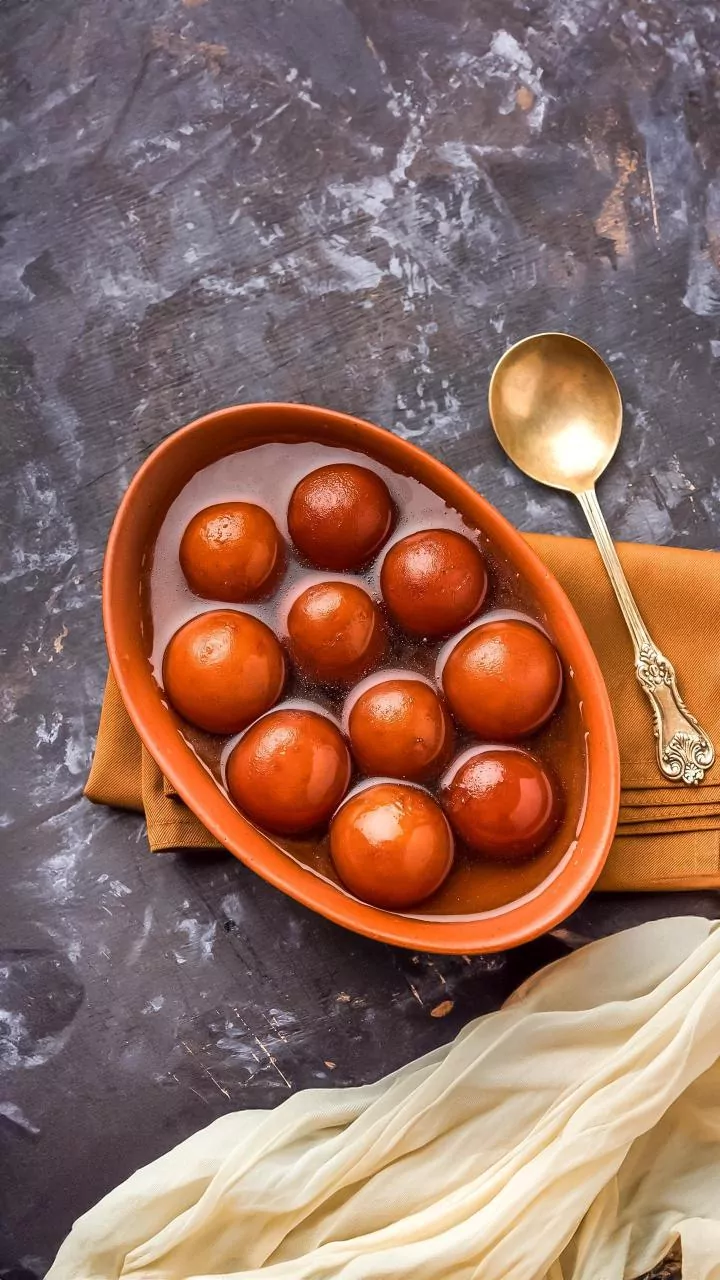
The Grand 'Chappan Bhog' Offering
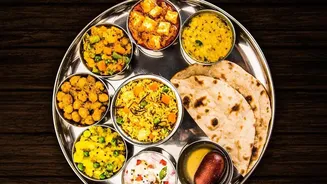
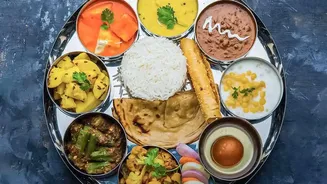
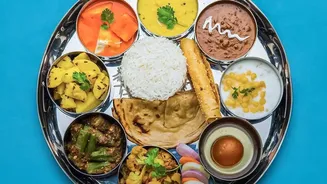
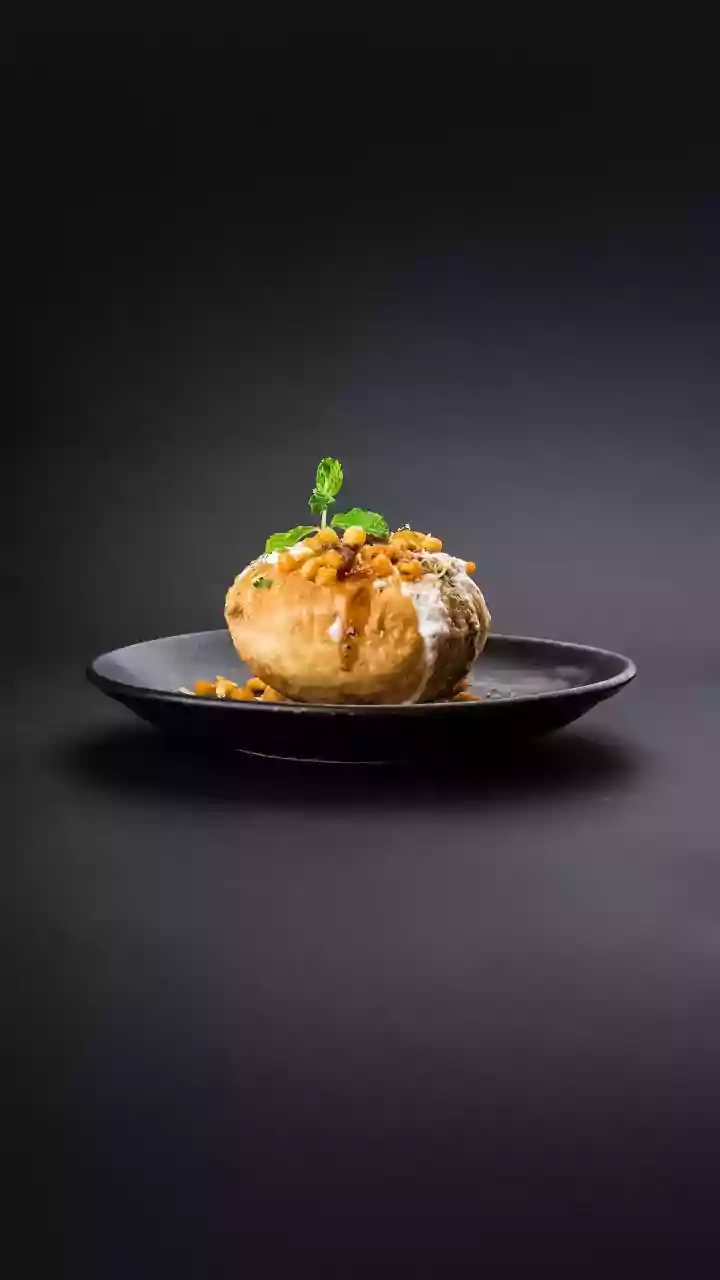
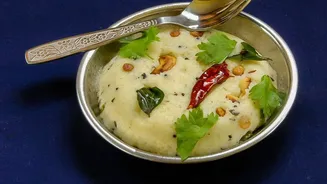
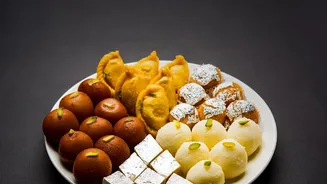
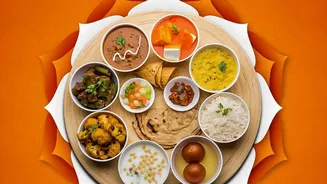
The most spectacular culinary tradition of Janmashtami is the 'Chappan Bhog', a grand offering of 56 distinct food items to Lord Krishna. This practice is rooted in a story where Krishna lifted the Govardhan Hill for seven days, missing his usual eight
meals a day. To show their gratitude, the villagers offered him 56 dishes (7 days multiplied by 8 meals). This elaborate feast includes a stunning variety of sweets, savouries, grains, and dairy products, symbolizing the abundance of nature and the depth of devotees' love. While a full 56-item spread is usually reserved for temples, the spirit of the Chappan Bhog influences the festive meals prepared in homes nationwide.
Brajbhoomi's Dairy Delights
In Mathura and Vrindavan, the heartland of Krishna's childhood, the celebrations are steeped in dairy. Makhan Mishri, a simple yet divine blend of fresh white butter and rock sugar, is a quintessential offering, recalling Krishna's playful reputation as 'Makhan Chor' or the butter thief. Another iconic sweet is the Mathura Peda, a rich, caramelised milk sweet that has become synonymous with the holy city. These offerings are complemented by refreshing drinks like Lassi and Panchamrit, a sacred concoction of milk, curd, ghee, honey, and sugar used in prayer rituals.
Northern India's Fasting Favourites
Many devotees in North India observe a fast on Janmashtami, which is broken at midnight after Krishna’s birth is celebrated. The foods prepared for this occasion are 'sattvic', meaning they are pure and prepared without onions, garlic, or heavy spices. A key prasad (devotional offering) is Dhaniya Panjiri. This unique preparation is made by roasting coriander powder in ghee and mixing it with powdered sugar, makhana (fox nuts), and dried fruits. It is a warming and nutritious dish perfect for breaking a day-long fast. Along with Panjiri, fruits and milk-based sweets like kheer are commonly consumed.
Maharashtra's Communal Gopalkala
In Maharashtra, Janmashtami is famous for the energetic Dahi Handi festival, where groups form human pyramids to break a pot of curd. The food that accompanies this celebration is Gopalkala, also called Dahikala. This dish is a savoury mix of flattened rice (poha), curd, cucumber, coconut, and mild spices. It is said to represent the simple meal Krishna shared with his cowherd friends. Unlike other meticulously prepared offerings, Gopalkala is meant to be mixed and shared communally, embodying the spirit of friendship and togetherness that defines the festival in this region.
South India's Crispy Krishna Jayanthi Snacks
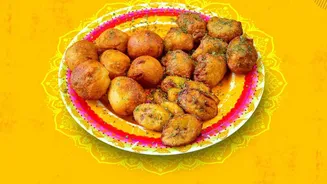
In Southern India, especially Tamil Nadu, the festival known as Krishna Jayanthi or Gokulashtami is marked by the preparation of an array of crispy, savoury snacks. The quintessential items are Uppu Seedai (savoury rice flour balls) and Vella Seedai (a sweet version with jaggery). Making these requires skill, as the dough must be perfect to prevent the seedai from bursting in hot oil. Another favourite is Murukku, a crunchy, spiral-shaped snack. Many preparations also feature Aval (flattened rice), a nod to the story of Krishna’s humble friend Sudama, reminding devotees that the sincerity of an offering is more important than its grandeur.