









The Search for the Perfect Cup
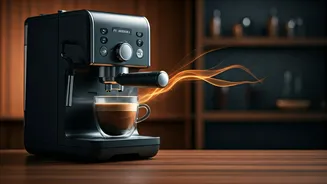
For millions, the day doesn't start until the first sip of coffee. That daily ritual is deeply personal. You might crave a strong, dark espresso to kickstart a busy morning, or a creamy, comforting latte on a gloomy afternoon. We already subconsciously
match our coffee to our mood. Now, technology is trying to make that process smarter. The goal is to move beyond simple preference and into a world of predictive, hyper-personalized brewing. Imagine a system that doesn’t just remember that you like oat milk, but learns that when you’re feeling stressed, you prefer a coffee with lower acidity and notes of chocolate and caramel.
How AI Reads the Room
The technology that aims to connect emotion and consumption is known as affective computing. In practice, this could involve several methods. Some systems use chatbots where you can simply tell an app your current mood to get a coffee suggestion. More advanced concepts involve using computer vision to analyze facial expressions or even voice tone to detect emotions like happiness, stress, or fatigue. This emotional data is then cross-referenced with vast databases of coffee flavor profiles—acidity, bitterness, sweetness, and aroma. The AI model then predicts which type of coffee would best suit your present state of mind, turning a subjective feeling into a data-driven recommendation.
From Lab to Your Latte
While not yet a common feature in most cafés, this technology is already being put into practice. A Tokyo-based company called AI Free Coffee uses an AI barista that considers taste, time of day, weather, and even the user's reported mood to optimize each cup. At home, tech-savvy coffee enthusiasts are hacking high-end brewers to integrate them with AI models like ChatGPT. By feeding the AI detailed information from sources like the Specialty Coffee Association, they can generate thousands of unique brewing profiles, essentially creating a master barista in the cloud that sends precise instructions to their machine for grind size, water temperature, and brew time.
More Than Just Mood
The true power of AI in the food and beverage industry lies in its ability to learn from enormous datasets. An AI system can build a personal taste profile over time by analyzing your past purchases, ratings, and feedback. This allows it to suggest new beans or blends you might not have discovered on your own. These algorithms can also ensure remarkable consistency, using sensors to adjust for variables like humidity to make sure every cup is brewed to optimal standards, eliminating the variations that can happen with manual methods. This level of precision brewing ensures that whether you're at home or a café, the quality remains the same every time.
Can an Algorithm Replace a Barista?
For all its technical prowess, the question remains: Can a machine truly replicate the art and intuition of a human barista? Flavor is not just a collection of chemical compounds; it's deeply connected to memory, emotion, and personal experience. An algorithm might identify a perfect pairing on paper, but it can't share a friendly conversation or remember a small detail about your day. Critics argue that AI is simply finding patterns in data provided by humans, rather than possessing true 'taste'. So, while AI can be an incredible tool for discovery and consistency, it acts as a proxy for human preference, not a replacement for it.