





From Dal Tadka to Protein Bar
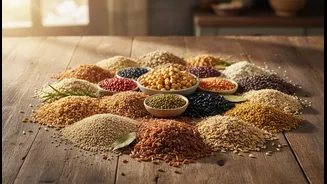
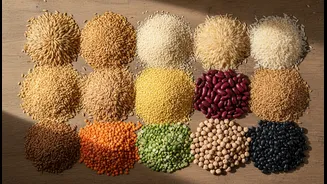
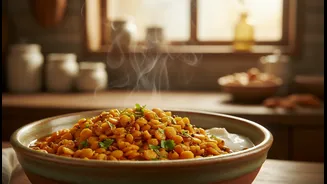
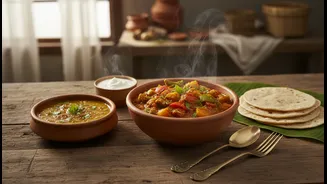
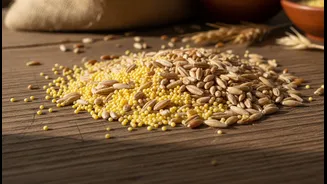
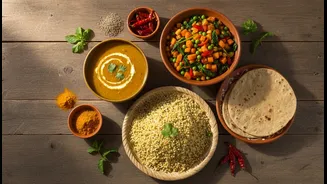
For generations, pulses like moong, chana, and masoor have been the bedrock of Indian home cooking, providing essential protein in our daily meals. Today, they are breaking out of their traditional roles. The same ingredients that form our comforting
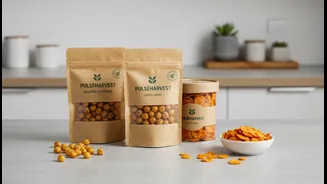
dals and curries are now being baked into chips, roasted into crunchy mixes, and pressed into convenient bars. This shift isn't just a food trend; it's a reconnection. As urban lifestyles get busier, the demand for quick, on-the-go nutrition has soared. By using familiar, trusted ingredients, brands are making the modern concept of a 'protein snack' feel less foreign and more like an extension of the Indian kitchen. It’s a return to culinary roots, but in a format that fits a hectic, modern life.
The Nutritional Power of Pulses
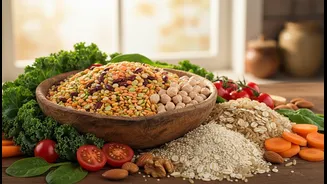
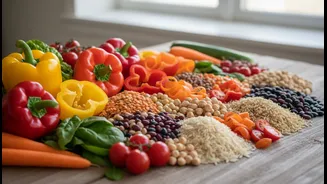
So, what makes pulses such a powerhouse? Scientifically, they are nutritional marvels. Pulses are packed with plant-based protein, typically containing twice the amount found in whole grains like rice or wheat. They are also exceptionally high in dietary fibre, which aids digestion and promotes a feeling of fullness, helping to manage weight. This potent combination of protein and fibre helps prevent the sharp spikes in blood sugar often associated with carb-heavy snacks, providing sustained energy instead. Furthermore, pulses are rich sources of essential micronutrients like iron, potassium, and folate, making them a well-rounded source of nutrition. By incorporating whole pulses, these new-age snacks deliver these benefits in a way that protein isolates or refined flours cannot.
A Response to India's Protein Gap
This trend is also a timely answer to a growing nutritional concern. Recent surveys have highlighted a significant 'protein gap' in India, with many urban Indians not consuming enough protein daily. Studies show that a large portion of protein in the average Indian diet comes from cereals, which are often of lower quality and digestibility compared to pulses. With rising health consciousness, consumers are actively seeking out better protein sources. A 2026 report noted that 86% of respondents consider protein important when choosing snacks. Pulse-based snacks offer an accessible, affordable, and vegetarian-friendly way to help close this gap, turning a casual snacking occasion into a meaningful nutritional contribution.
Taste Meets Tradition in a Packet
The success of these snacks lies not just in their health benefits, but also in their flavour. Brands are cleverly tapping into the Indian palate by using familiar tastes. Instead of generic flavours, you’ll find roasted chana with pudina, moong dal chips with masala, and khakhra made from chickpea flour. These are not just snacks; they are a modern form of traditional favourites like roasted chana, chivda, and sev, which have always been a part of India's snacking culture. By combining the crunch and convenience of modern snacks with the comforting taste of home, these products satisfy both health goals and nostalgic cravings. It proves that healthy snacking doesn't mean compromising on the flavours we grew up with.
Making Smart Choices in the Snack Aisle
As more options appear on shelves, it's important for consumers to be discerning. The key to finding a genuinely healthy pulse-based snack is to read the ingredient list. Look for products where the pulse—be it chickpea, lentil, or pea—is listed as the first or second ingredient. This ensures you're getting a substantial amount of the core ingredient, not just a dusting of pulse flour for marketing purposes. Also, check for the cooking method; roasted or baked options are generally healthier than their fried counterparts, which can contain unhealthy fats and extra calories. Ultimately, the goal is to choose snacks that are made from whole, recognizable ingredients, bringing you closer to the nutritional wisdom that has always been present in Indian food traditions.