






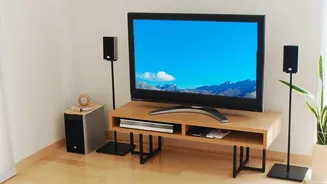
The Era of Appointment Viewing
For decades, the rhythm of many Indian households was set by television. From the epic sagas of the 80s and 90s to the 'saas-bahu' dramas that dominated the 2000s, TV was a communal activity. Families gathered around a single screen for what was known
as 'appointment viewing'—a shared cultural experience where daily schedules were often arranged around a favourite show. This collective viewing was a cornerstone of family bonding, with storylines becoming a common topic of discussion and debate within the home and the community. The primetime soap opera, with its focus on extended family dynamics, was the undisputed king of home entertainment, dictating the tempo of the evening for grandparents, parents, and children alike.
The Personal Screen Takeover
The arrival of affordable high-speed internet and smartphones triggered a seismic shift. Over-the-Top (OTT) platforms like Netflix, Amazon Prime Video, and JioHotstar introduced a new paradigm: on-demand content. Suddenly, entertainment was no longer confined to the living room TV. It became personal, portable, and available anytime. This trend accelerated dramatically during the pandemic, which saw a massive spike in OTT consumption as people sought fresh content. Initially, this shift was led by younger audiences, Gen Z and millennials, who embraced the flexibility and diverse global content of web series. This created a clear divide: the older generation often remained loyal to their TV serials, while the younger members retreated to their individual screens, leading to a fragmentation of the shared family viewing experience.
From Conflict to Co-Viewing
The initial phase of this transition was often marked by a battle for the remote and the screen. However, a surprising trend has begun to emerge: the rise of co-viewing on Connected TVs (CTVs). As smart TVs become more affordable and common in Indian households, the living room is being reclaimed as a hub for shared streaming. Studies show that a significant percentage of people who stream on a TV do so with their families. This move from solo-watching on a phone to group-watching on a big screen is reshaping content choices. Platforms are now intentionally diversifying their offerings beyond gritty thrillers to include more family-friendly dramas, comedies, and historical shows that cater to a broader, multi-generational audience.
Finding a New Common Ground
This shift towards co-viewing is not just about technology; it's a social adaptation. Families are actively finding new shows that everyone can enjoy together. While grandparents might have been introduced to OTT by younger family members, their participation has influenced content trends. The data shows remarkable growth in viewership among women and older adults on CTVs. Content with localized themes and regional languages is proving particularly successful in bridging generational gaps, offering relatable stories that resonate across age groups. Web series based on real-life events or that explore complex family dynamics in a realistic way have found a cross-generational appeal that the more formulaic TV soaps sometimes lack.
Two Roads: Shared Screens and Separate Worlds
Despite the rise of co-viewing, the allure of the personal screen remains powerful. For a large segment of the audience, especially in tier-II and tier-III cities, the mobile phone remains the primary and most affordable gateway to the OTT universe. Many younger viewers still prefer the individual experience, creating their own content bubbles filled with short-form videos, niche web series, and influencer-led content that may not appeal to their parents or grandparents. Therefore, the modern Indian household is not following a single path of adaptation but is embracing a hybrid model. The same family might gather to watch a blockbuster movie or a family-friendly series on their CTV over the weekend but spend weekdays watching completely different content on their own devices.