







A Vision Called 'Hydrogen for Heritage'
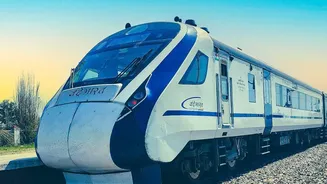
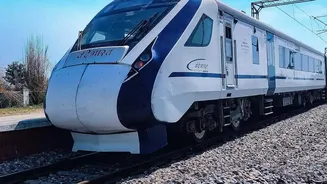
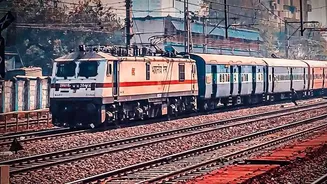
Indian Railways has embarked on an ambitious project aptly named ‘Hydrogen for Heritage’. The initiative aims to blend the preservation of India’s historic railway lines with cutting-edge, sustainable technology. The plan involves rolling out 35 hydrogen-powered
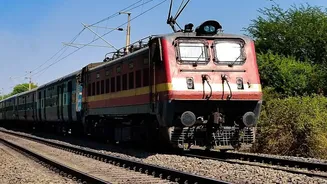
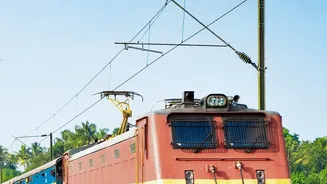
trains across some of the country's most cherished and ecologically sensitive railway corridors. This move is not just about upgrading trains; it's about future-proofing our past. Instead of the diesel fumes that currently trail through pristine mountain landscapes, these trains will emit only water vapour, offering a clean, quiet, and non-polluting journey through breathtaking scenery. The project represents a significant step in India's commitment to green energy and sustainable tourism, ensuring that these mechanical marvels of a bygone era can continue to operate without harming the delicate environments they traverse.
How Do These Green Trains Work?
So, what exactly is a hydrogen train? At its core, it's an electric train that generates its own power onboard. The technology involves retrofitting existing Diesel Electric Multiple Unit (DEMU) trains with hydrogen fuel cells. These fuel cells act like mini power plants. They take hydrogen stored in tanks on the train and combine it with oxygen from the air. This electrochemical reaction produces electricity to power the motors, with the only byproducts being heat and pure water vapour. There is no combustion, no smoke, and no carbon emissions. This makes them a far cleaner alternative to the diesel engines currently used on many of these routes, where overhead electrical lines are often impractical or would spoil the natural beauty. The trains are being designed and built indigenously, aligning with the 'Make in India' mission.
The Iconic Corridors Awaiting a Makeover
The ‘Hydrogen for Heritage’ project specifically targets India’s famous narrow-gauge and metre-gauge railways, many of which are UNESCO World Heritage Sites. The list of proposed routes reads like a traveller’s dream itinerary. It includes the Kalka-Shimla Railway, the Darjeeling Himalayan Railway (or 'Toy Train'), the Nilgiri Mountain Railway, and the Matheran Hill Railway, among others. These lines were chosen for a reason. Their steep gradients, sharp curves, and numerous tunnels make conventional electrification extremely difficult and expensive. Furthermore, installing poles and overhead wires would detract from the rustic charm and stunning vistas that make these journeys so special. By introducing hydrogen trains, Indian Railways aims to preserve the authentic experience while drastically reducing the carbon footprint and noise pollution in these serene locations.
From Test Track to Heritage Track
Before these trains chug up the Himalayan foothills, the technology has been undergoing rigorous testing. The first prototype began its journey not in the mountains, but on the plains of Haryana. A pilot project was launched on the Jind-Sonipat broad-gauge section to test the system’s performance and safety in real-world conditions. Following successful high-speed trials where the train reached 120 kmph, India's first hydrogen-powered train was officially flagged off on this route in July 2026. This crucial testing phase has provided valuable data and operational experience, paving the way for the technology to be adapted for the unique requirements of the heritage routes. This phased approach ensures that by the time hydrogen trains are deployed on the historic hill railways, the systems are reliable, safe, and ready to handle the unique challenges of mountain terrain.
The Road Ahead: Promise and Practicalities
While the vision is inspiring, the transition comes with challenges. The initial cost is significant, with each train estimated to cost around ₹80 crore and the supporting ground infrastructure for hydrogen production and refuelling adding another ₹70 crore per route. However, officials anticipate that these costs will decrease as the technology matures and is adopted more widely. This initiative is a key part of Indian Railways' larger goal to achieve net-zero carbon emissions by 2030 and aligns with the National Green Hydrogen Mission, which aims to make India a global hub for green hydrogen production and use. By investing in this technology now, India is not only preserving its railway heritage but also positioning itself as a leader in clean transportation.