




The New Must-Have Metric: Protein
For generations, dairy shopping in India was a straightforward affair guided by freshness, brand trust, and affordability. Today, a fourth dimension is rapidly gaining importance: protein content. Consumers are increasingly scanning nutrition labels to
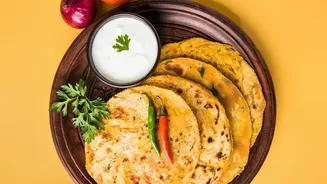
see just how much of this vital macronutrient they are getting per serving. This shift marks a significant evolution in consumer awareness, moving beyond basic sustenance towards a more nuanced understanding of nutrition. It's no longer enough for dahi to be thick and creamy; shoppers want to know if it's also a powerhouse of protein. This scrutiny, once the domain of athletes and bodybuilders, has firmly entered the mainstream, influencing everyday purchasing decisions for families across the country.
What's Driving the Protein Push?
Several factors are fuelling this protein-centric mindset. A post-pandemic surge in health and wellness consciousness has made people more proactive about their dietary choices. The rise of fitness culture, amplified by social media influencers and a growing number of gyms, has positioned protein as essential for muscle support, satiety, and overall vitality. As urban lifestyles get busier, consumers are looking for convenient ways to ensure they get balanced meals, and protein-fortified products offer an easy solution. Furthermore, with rising incomes, many Indians are now able to prioritise nutritional value over just price, reshaping the demand landscape for food companies.
How Dairy Brands Are Responding
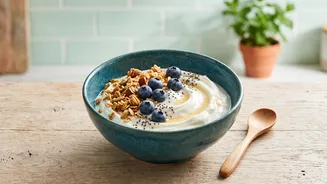
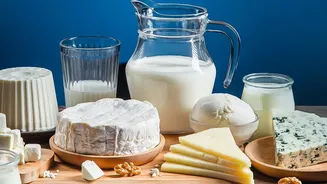
The Indian dairy industry, a cornerstone of the nation's agriculture and diet, has been quick to adapt. Major players and startups alike are launching new products explicitly marketed as 'high-protein'. You can now find high-protein paneer, Greek-style yogurts with double the protein of traditional curd, and milk fortified with extra protein. Packaging has been redesigned to prominently feature protein content, often in bold lettering on the front of the pack. Companies like Amul, Mother Dairy, and Milky Mist are investing in new manufacturing facilities and product lines to cater to this growing segment. The market for milk protein in India is projected to grow significantly, reflecting this sustained consumer interest.
Beyond the Hype: A Smart Shopper's Guide
While this focus on protein is a positive step towards better nutrition, it pays to be a smart shopper. Not all protein claims are equal. When comparing products, look at the protein content per 100g to make an accurate comparison. Also, check the ingredients list. Some products may achieve a high protein count by adding protein isolates, while others, like Greek yogurt or Skyr, are naturally concentrated. It's also crucial to consider what else is in the product. A high-protein yogurt might also be high in sugar, which can offset its health benefits. Traditional dairy products like paneer, curd, and milk remain excellent, natural sources of high-quality protein without additives. The goal is to find a balance that fits your dietary needs and preferences.
The Future Is Nutritionally Aware
The protein trend in the dairy aisle is part of a larger movement. Indian consumers are becoming more nutritionally literate and demanding more from their food. While reports indicate that many Indians are still deficient in protein, this growing awareness is a critical first step. Projections show that India's overall protein consumption, particularly from dairy, is set to rise dramatically in the coming decades. This shift challenges brands to innovate not just with marketing, but with genuinely healthier products. For the average shopper, it signals a new era of empowered, informed choices, where the nutritional label on the back of the pack is becoming just as important as the brand name on the front.