







The Problem with Passive Studying
For generations, the default study method has been passive: read the chapter, highlight key sentences, re-read your notes, and hope for the best. While familiar, this approach is surprisingly inefficient for long-term retention. Neuroscientists call this a failure
of 'active recall'. Simply exposing your brain to information doesn't create the strong neural connections needed to retrieve it under pressure, like in an exam hall. Highlighting can even provide a false sense of security, making you feel like you've mastered a topic when you've merely recognised it on the page. It's the difference between knowing a friend's face in a crowd and being able to draw their portrait from memory.
How AI Changes the Game
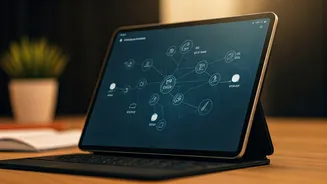
This is where AI reading assistants come in. These are not just simple document readers; they are intelligent study partners that can understand complex material. You can upload your class notes, a PDF of a textbook chapter, a research paper, or even paste a link to a webpage. The AI then processes the entire document, identifying the core concepts, key terms, important dates, and critical arguments. Instead of you having to manually create study aids, the AI engine does the heavy lifting, preparing the material for a more effective, active study session. It acts like an expert tutor who has read and digested the material on your behalf, ready to help you learn it.
From Text to Test in Seconds
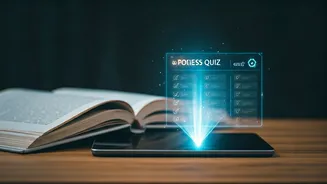
The real magic happens next. Once the AI has analysed your material, it can instantly generate a variety of custom quizzes. This isn't a generic, one-size-fits-all test. It's a bespoke assessment based entirely on *your* specific study materials. You can get multiple-choice questions that test your understanding of nuanced concepts, fill-in-the-blank questions to drill key definitions, and true/false statements to check your factual recall. Some advanced tools can even create flashcards or generate open-ended summary questions. This process turns passive reading material into an interactive experience, forcing you to engage with the content and actively retrieve information.
The Science of 'Smarter' Studying
This AI-driven method isn't just a clever tech trick; it's grounded in proven learning science. The act of quizzing yourself is a powerful form of 'active recall'. Every time you struggle to remember an answer and then check it, you are strengthening the neural pathway to that piece of information. It's like exercising a muscle—the effort is what makes it stronger. Many of these tools also incorporate another principle: 'spaced repetition'. They can track which questions you get wrong and re-introduce them at increasing intervals. This combination ensures you focus your limited study time on the concepts you find most difficult, rather than wasting time re-reading things you already know well.
A Tool, Not a Magic Wand
So, are these AI assistants a guaranteed shortcut to better marks? Not exactly. They are not a replacement for attending class, engaging with the material, or thinking critically. You can't just upload a book and expect to ace the test without effort. However, they are an incredibly powerful tool for making your study time more efficient and effective. By automating the tedious process of creating study aids and enforcing the proven strategy of active recall, they help you build better study habits. Better habits, in turn, lead to better retention and deeper understanding, which are the true foundations for achieving higher marks in competitive exams like JEE, NEET, or university finals.