

Why A Little Yoga Goes A Long Way
When you’re stressed, your body and mind are in a state of high alert. Yoga helps activate your body's natural relaxation response. Practices like gentle stretching and controlled breathing can help reduce stress hormones, calm your nervous system, and improve
blood flow to the brain. This doesn't just help you feel less anxious; it can also boost your concentration, improve memory, and lead to better sleep—all essential ingredients for exam success. You don’t need a fancy mat or a whole hour; just a few minutes can make a real difference.
Seated Cat-Cow Stretch
Hours spent hunched over a desk can create major tension in your back and shoulders. The Cat-Cow stretch is a gentle movement that helps relieve this stiffness and syncs your breath with your movement, which is incredibly calming for the mind. How to do it: Sit on the edge of your chair with your feet flat on the floor and hands on your knees. As you inhale, arch your back and look up, opening your chest (Cow Pose). As you exhale, round your spine, tucking your chin to your chest and letting your shoulders curve forward (Cat Pose). Repeat this fluid movement for 5-10 breaths.
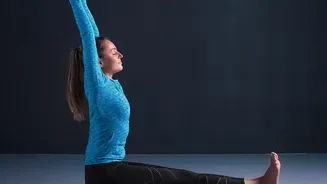
Seated Forward Bend (Paschimottanasana)
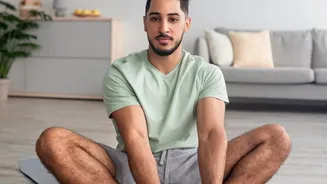
This classic pose is fantastic for calming the brain and relieving stress. It provides a deep stretch for the entire back of your body, from your heels to your neck. How to do it: Sit on the floor with your legs stretched out in front of you (you can also do a version of this in a chair). Keep your back straight as you inhale, and as you exhale, hinge forward from your hips, reaching toward your feet. It doesn't matter if you can't touch your toes; just go as far as is comfortable. Let your head hang heavy to release neck tension. Hold for 30 seconds, breathing deeply.
Child's Pose (Balasana)
Consider this your personal reset button. Child's Pose is a resting posture that gently stretches the hips and back while quieting the mind. It’s perfect for when you feel completely overwhelmed and need a moment of total retreat. How to do it: Kneel on the floor, bringing your big toes to touch and your knees wide apart. Fold forward, resting your torso between your thighs and your forehead on the floor. You can stretch your arms out in front of you or rest them alongside your body. Breathe into your back and hold for as long as you like.
Neck and Shoulder Rolls
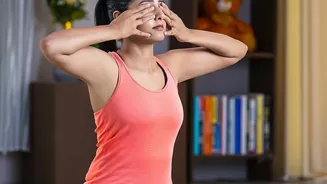
We hold a surprising amount of tension in our neck and shoulders, especially when studying. Releasing this area can provide immediate relief from stress-related headaches and stiffness. How to do it: Sitting tall, gently drop your right ear toward your right shoulder, holding for a few breaths. Slowly roll your chin down to your chest, then over to the left side, bringing your left ear toward your left shoulder. For shoulders, inhale and lift them up toward your ears, then exhale with a sigh as you roll them back and down. Repeat 3-5 times.
Legs-Up-The-Wall Pose (Viparaita Karani)
This is one of the most restorative and calming poses you can do. It's incredibly simple and helps soothe the nervous system, drain tired legs, and reduce fatigue. It’s the perfect way to end a long day of studying. How to do it: Find an empty bit of wall space. Sit on the floor with one side of your body against the wall. Gently swing your legs up the wall as you lie back on the floor. Your body should form an 'L' shape. Rest your arms out to your sides and simply breathe. Stay here for 5 to 10 minutes for maximum benefit.