



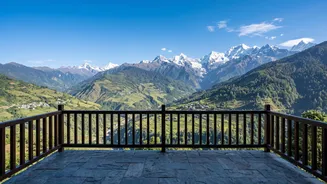
The Great Migration to the Mountains
The 'work from mountains' phenomenon, born out of a pandemic-era necessity, has blossomed into a deliberate lifestyle choice for many in India's tech sector. Professionals from bustling hubs like Bengaluru, Pune, and Gurugram are increasingly looking
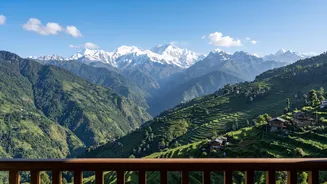
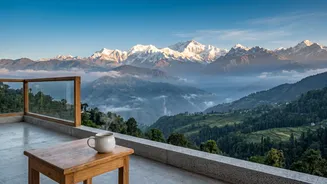
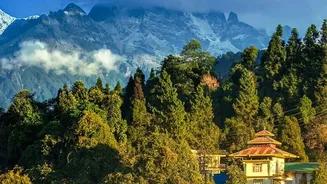
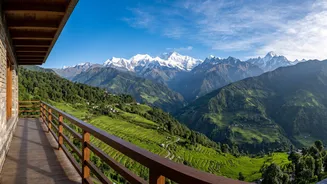
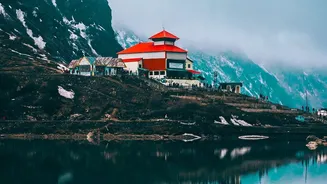
towards the Himalayas for a more sustainable work-life integration. Sikkim, with its pristine landscapes, clean air, and tranquil environment, has emerged as a frontrunner in this migration. The appeal is simple yet profound: swapping the daily grind of urban life for a slower, more intentional existence where deadlines are met against a backdrop of prayer flags and rhododendron forests. This isn't just about a change of scenery; it's a fundamental shift in prioritising mental well-being and finding inspiration beyond the confines of a corporate campus.
The Digital Infrastructure: No Longer a Dream
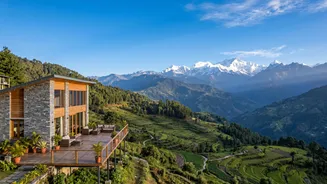
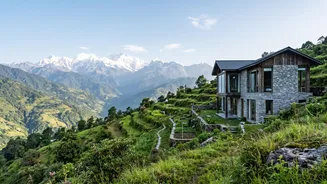
For years, the primary barrier to working from a place like Sikkim was the fear of unreliable internet. That narrative is rapidly changing. While once considered a connectivity 'dead zone' for high-bandwidth tasks, the region has seen a significant push in digital infrastructure. The game-changer has been the 'Nomad Sikkim' initiative, a government-supported project that officially established India's first 'Digital Nomad Village' in Yakten. This pilot project, launched in mid-2025, specifically equips rural homestays with high-speed broadband and crucial power backup solutions, directly addressing the core concerns of remote professionals. Homestay owners, in partnership with local authorities, now ensure that their properties are not just culturally authentic but also professionally functional.
A Day in the Life: Code, Chai, and Calm
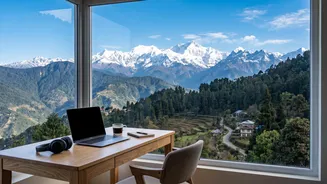
The routine for a tech professional in a Sikkimese homestay is a study in balanced living. Mornings are typically dedicated to focused work, powered by surprisingly stable Wi-Fi and strong coffee. A developer might finish a coding sprint as the morning mist lifts off the mountains. Afternoons are for logging off and stepping out. This is when the 'relaxation' part of the equation comes to life. It could mean a short trek to a nearby monastery, a walk through cardamom fields, or simply enjoying a cup of locally grown tea with the host family. Evenings are often spent sharing stories and enjoying wholesome, home-cooked Sikkimese meals. This daily rhythm allows for high productivity during work hours while ensuring a genuine disconnect and immersion in nature and local culture.
Navigating the Real-World Challenges
While idyllic, the lifestyle is not without its challenges. The Himalayan terrain means that even with the best infrastructure, connectivity can sometimes be unpredictable, and power cuts are a possibility. The key to a successful workation here is preparation. Seasoned remote workers in Sikkim advise having a backup plan, usually a reliable mobile hotspot with a provider like Jio or Airtel. It's also crucial to communicate with the homestay owner before booking, asking for a recent internet speed test and confirming the availability of a power inverter. Beyond logistics, there can be a sense of isolation for those used to a bustling office environment, making the warm, familial atmosphere of a homestay an important factor in the overall experience.
More Than a Workstation, It's a Mindset
Ultimately, what tech professionals are finding in Sikkim is more than just a place to work. They are discovering a new mindset. The goal isn't just to replicate a city office in the mountains but to embrace a different pace of life. It's about the mental clarity that comes from a morning walk in the crisp mountain air and the creativity sparked by a conversation with a local artisan. By choosing these homestays, professionals are also contributing to a sustainable model of tourism that provides a year-round income for local families, helping to preserve the very culture and environment that makes the region so attractive. It's a symbiotic relationship where the visitor finds peace and productivity, and the host community gains economic stability without sacrificing its unique identity.