


The Undeniable Success Stories
There's no denying the headline achievements. The latest tiger census from 2022 places the population at 3,682, a remarkable recovery from just over 1,400 in 2006. India is now home to over 70% of the world's wild tigers. This success, driven by decades
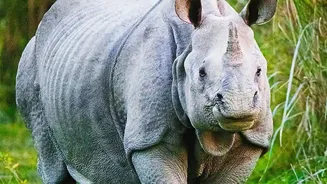
of concerted effort under Project Tiger, has become a global benchmark. But the good news isn't limited to the big cat. The population of Asiatic lions in Gujarat has seen a steady increase, as has the greater one-horned rhinoceros population in Assam. These victories demonstrate that with focused political will and scientific management, India can pull species back from the brink.
Ambitious New Frontiers
Building on past successes, India has embarked on one of its most ambitious wildlife experiments: Project Cheetah. After being declared extinct in the country in 1952, cheetahs were reintroduced from Namibia and South Africa starting in 2022. The project aims to establish a self-sustaining population. As of October 2026, the population has reached 59 animals, including a significant number born on Indian soil—a major milestone. However, the project is fraught with challenges. Several translocated adults and cubs have died, highlighting the immense difficulty of reintroducing a species into a new environment with different prey and diseases. The recent expansion of the project to two new sites beyond Kuno National Park is a strategic move to build resilience, but its long-term success remains uncertain.
The Habitat Squeeze
While reports on forest cover show a slight increase, a closer look reveals a more complicated picture. The term 'forest cover' used in official surveys often includes commercial plantations, which do not offer the rich biodiversity of natural forests. Meanwhile, vital habitats and wildlife corridors are shrinking due to infrastructure projects, agricultural expansion, and urbanisation. This habitat fragmentation is a primary driver of the most pressing challenge in Indian conservation today: human-wildlife conflict. With more animals and less space, encounters between humans and wildlife are becoming more frequent and severe.
When Success Creates Conflict
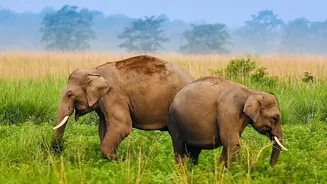
Ironically, conservation success is a major cause of conflict. As populations of tigers, elephants, and leopards grow, they increasingly move outside the boundaries of protected areas into human-dominated landscapes. According to government data, hundreds of people are killed in encounters with elephants annually. In 2023-24 alone, 629 human deaths from elephant attacks were recorded. Farmers suffer significant crop damage, impacting their livelihoods and eroding local support for conservation. While India has established 33 Elephant Reserves and identified around 150 elephant corridors, ensuring safe passage for these giants remains a huge challenge. The issue is no longer just about saving animals; it's about managing the complex interface between growing wildlife populations and human communities.
A Tale of Two Realities
The latest conservation reports tell a dual story. One narrative, focused on flagship species in protected reserves, is one of world-leading success. India has shown it can successfully manage and grow populations of iconic animals like tigers, lions, and rhinos. The other narrative is one of systemic challenges outside these protected zones. It involves habitat degradation, the immense pressure of a growing human population, and the resulting conflicts that threaten both people and wildlife. Lesser-known species that don't receive the same level of funding or attention also face an uncertain future.