


1. The Art of Kintsugi-Inspired Repair
One of the most beautiful trends emerging is the application of Kintsugi principles to terracotta. Kintsugi is the Japanese art of repairing broken pottery with lacquer dusted or mixed with powdered gold, silver, or platinum. Instead of hiding the damage,
this method highlights it, celebrating the object's history and resilience. For terracotta, this often involves using a strong, waterproof adhesive mixed with gold-colored mica powder to piece a broken pot back together. The resulting golden seams transform a simple clay pot into a unique sculptural object, perfect for holding dried flowers or simply standing alone as a statement piece on a bookshelf or coffee table. It’s a powerful metaphor for beauty in imperfection.
2. Aged Patina as a Design Element
Forget pristine, straight-from-the-store pots. This trend is all about embracing the natural aging process. Over time, terracotta develops a unique patina—a chalky, white mineral efflorescence and sometimes a soft green from moss. Instead of scrubbing this off, style-savvy decorators are seeking it out. An old, weathered pot, even if it’s no longer suitable for a water-hungry plant, becomes a rustic vessel for displaying other objects. You can use it as a catch-all for keys by the door, a holder for kitchen utensils, or a base for a large pillar candle. The texture and history in the aged surface add a layer of warmth and authenticity that new items can’t replicate.
3. From Shards to Mosaics
When a terracotta pot shatters beyond repair, the pieces gain a new life. This trend involves using the broken shards—or 'scherben'—to create custom mosaic art. These fragments can be arranged to cover a tabletop, a picture frame, or even the surface of another, larger planter. The varying curves and earthy tones of the terracotta pieces create a stunning, textural surface. Some DIY enthusiasts use them to create decorative trays for their coffee tables, setting the pieces in grout. It's a fantastic way to fully commit to a zero-waste mindset while creating a one-of-a-kind functional art piece for your living room.
4. The Repurposed Pot
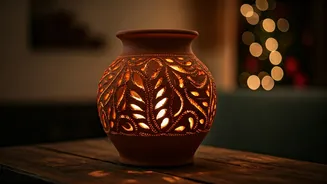
Upcycling isn’t always about transformation; sometimes it’s about repurposing. An old terracotta pot can serve countless functions beyond horticulture. Small pots can be turned into charming candle holders by simply placing a tea light or a small votive inside. Larger pots can be flipped upside down and used as a sturdy, rustic base for a small side table—just add a circular wooden top. Some people use medium-sized pots as stylish storage for remote controls, magazines, or knitting supplies. The key is to look at the object's shape and material and imagine its potential beyond its original purpose, bringing an unexpected and earthy element into the living space.
5. Creating 'Plant Pot Totems'
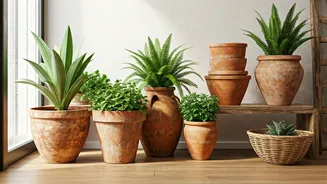
A playful and sculptural trend involves stacking pots of various sizes to create artistic 'totems' or towers. This works especially well with a collection of aged or slightly mismatched terracotta pots. You can stack them in descending size to create a classic pyramid shape, or alternate their direction for a more modern, abstract sculpture. These totems can be placed in an empty corner of the living room or on a covered patio to add vertical interest. While not functional for planting (unless you get very creative with drilling), they serve as a striking and affordable piece of garden-inspired art that brings an outdoor, organic feel indoors.