







It’s a scenario straight out of a movie: a pilot suddenly becomes unwell thousands of feet in the air. While deeply unsettling to imagine, it's a situation the aviation industry has meticulously planned for. Here is what actually happens.
The Co-Pilot is a Captain-in-Training
The first and
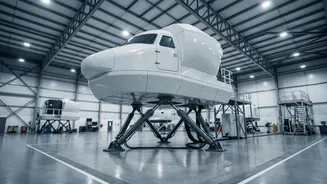
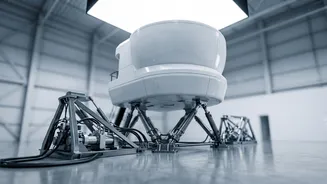
most critical layer of safety is sitting in the other seat. The co-pilot, or First Officer, is a fully qualified and licensed pilot who is type-rated for the specific aircraft they are flying. Co-pilots and Captains share flying duties, often alternating legs of a journey. This means the person in the right-hand seat has the complete skill set required to fly and land the aircraft safely. They undergo the same rigorous simulator training as Captains, which includes practicing for the exact scenario of pilot incapacitation. The transition of control is immediate; the remaining pilot takes command, a procedure they have rehearsed countless times.
Securing the Aircraft and the Cockpit
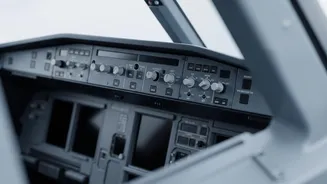
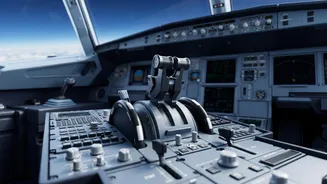
The first priority for the remaining pilot is simple: fly the plane. They will verbally announce, "I have control," to formally take command. Their next step is to ensure the incapacitated crewmate cannot interfere with the flight controls, which may involve engaging a mechanism to disengage the other set of controls or having cabin crew assist in moving the pilot's seat back and securing them with a harness. The flying pilot stabilizes the aircraft, often by engaging the autopilot to manage the workload, allowing them to focus on communication and planning the next steps.
Declaring an Emergency with Air Traffic Control
With the aircraft under control, the pilot will declare an emergency with Air Traffic Control (ATC). Using the phrase "Mayday, Mayday, Mayday," they alert controllers on the ground to the serious nature of the situation. This declaration immediately gives the flight priority over all other air traffic. ATC becomes a crucial part of the team, clearing airspace, providing a direct route to the nearest suitable airport, and coordinating emergency services on the ground. The controller's job is to reduce the pilot's workload as much as possible, offering guidance and information so the pilot can concentrate on flying.
The Role of Cabin Crew and Onboard Help
The cabin crew are also trained for this emergency. After being alerted, they will enter the cockpit to provide assistance. Their first responsibility is to the incapacitated pilot, providing first aid, administering oxygen, and using the onboard medical kits, which include an automated external defibrillator (AED). Crew will also make an announcement to see if a doctor or other medical professional is on board to provide expert assistance. This allows the flying pilot to remain focused on the controls while the medical emergency is managed by others.
Technological Safety Nets: Autopilot and Autoland
Modern aircraft are equipped with sophisticated technology that acts as an additional safety layer. The autopilot system can handle the majority of the flight path, reducing the physical and mental strain on the single pilot. In more advanced aircraft and at suitably equipped airports, an 'autoland' system can even perform the landing with minimal pilot input. The system uses the airport's Instrument Landing System (ILS) and the aircraft's own sensors to guide the plane down to the runway, flare for touchdown, and even apply brakes. While pilots are fully capable of landing alone, autoland technology provides a powerful backup that further ensures a safe conclusion to the flight.