
A Global Nod to a Desi Classic
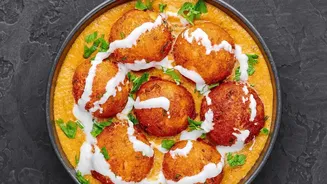
In a recent ranking by the popular food guide TasteAtlas, Malai Kofta was named the 10th best deep-fried dish in the world, a significant honour that places it among global favourites from Japan, South Korea, and Italy. This recognition is no surprise
to millions in India, where the dish is a staple at weddings, celebrations, and special family dinners. Its appeal lies in a masterful contrast: delicately fried dumplings submerged in a luscious, creamy gravy. But to truly understand its genius, one must look at its two core components separately.
The Kofta: A Melt-in-Your-Mouth Marvel
The heart of the dish is the kofta itself. The word 'kofta' has Persian roots, originally referring to minced meatballs. In its vegetarian Indian avatar, the kofta is a work of art. It’s primarily made from a mixture of grated paneer (Indian cottage cheese) and boiled, mashed potatoes. This combination creates a dumpling that is incredibly soft and tender. Cornstarch or flour is added as a binding agent to ensure the koftas don't break apart while being deep-fried to a perfect golden-brown. Many recipes also include finely chopped nuts like cashews and raisins within the kofta, adding a subtle crunch and a hint of sweetness that elevates the experience from simple to sublime.
The Malai: The Silky, Creamy Soul
'Malai' literally translates to cream, and the gravy is the soul of this dish. It is a velvety, rich sauce that is a world away from heavily spiced Indian curries. The base is typically a smooth paste of boiled onions, tomatoes, ginger, garlic, and, most importantly, cashews. The cashews lend the gravy its signature thickness and luxurious, creamy texture without overpowering the flavours. The sauce is finished with a generous swirl of fresh cream, which gives it a final, decadent touch. The spicing is deliberately kept mild and aromatic, with fragrant spices like cardamom and a touch of garam masala, allowing the creamy flavour to shine.
A Legacy of Royal Kitchens
The origins of Malai Kofta are often traced back to Mughlai cuisine, which is known for its rich and aromatic dishes developed in the imperial kitchens of the Mughal Empire. This style of cooking blended Central Asian and Persian culinary traditions with Indian ingredients and techniques. Malai Kofta is believed to be a vegetarian adaptation of the meat-based koftas enjoyed by royalty, cleverly substituting meat with paneer and potatoes to cater to local tastes. This history is reflected in its indulgent character, making it a dish fit for a celebration.
The Magic is in the Contrast
What truly sets Malai Kofta apart and justifies its global acclaim is the beautiful contrast of textures and flavours. You have the koftas, which are slightly crisp on the outside from frying but give way to an impossibly soft, almost melting interior. These delicate dumplings then soak up the warm, smooth, and mildly sweet and tangy gravy. Each spoonful offers a complete sensory experience: the richness of the cream, the softness of the paneer, and the gentle aroma of spices. It’s this perfect balance that transforms a few simple ingredients into something truly special and memorable.