

The Ancient Superfood: What is Sattu?
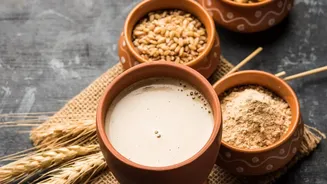
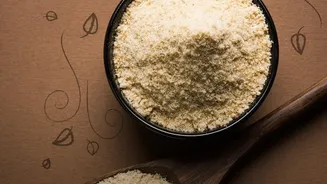
Sattu is a humble yet powerful flour made from roasted grains and pulses, most commonly Bengal gram (chana). For generations, it has been a staple in Indian states like Bihar, Uttar Pradesh, and Jharkhand, valued for its long shelf life and impressive
nutritional profile. Often called the 'poor man's protein', this ingredient has been traditionally consumed as a simple, cooling drink ('sharbat') mixed with water, salt, and lemon juice, providing instant energy and hydration, especially during hot summer months. The roasting process is key; it not only imparts a unique nutty flavour but also makes the nutrients more digestible and bioavailable.
A Nutritional Powerhouse in Every Spoon
The reason sattu is making a major comeback is its stellar nutritional content. Primarily, it's an excellent source of plant-based protein, with chickpea-based sattu containing around 20-25 grams of protein per 100 grams. This is crucial for muscle repair, growth, and overall strength. Beyond protein, sattu is packed with dietary fibre, which aids digestion, prevents constipation, and promotes a feeling of fullness. It's also rich in essential minerals like iron, magnesium, and calcium. With a low glycaemic index, it provides sustained energy without causing the sharp blood sugar spikes associated with many refined breakfast cereals.
Why a High-Protein Breakfast Is a Game-Changer
Starting your day with a protein-rich meal has profound benefits. Protein helps regulate appetite and keeps you feeling full for longer, reducing the urge to snack on unhealthy options mid-morning. Studies show that a high-protein breakfast helps stabilise blood sugar levels, providing a steady stream of energy and preventing the dreaded post-meal slump. This sustained energy can improve focus and productivity throughout the day. Over time, prioritising protein in the morning can also support weight management and improve overall metabolic health.
From Traditional Sharbat to Modern Bowl
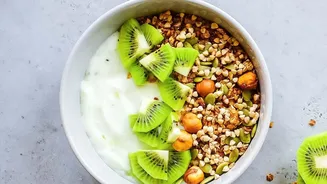
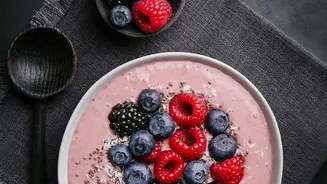
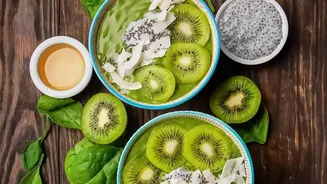
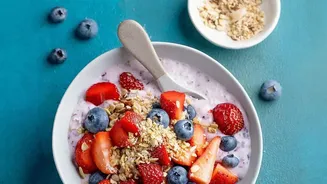
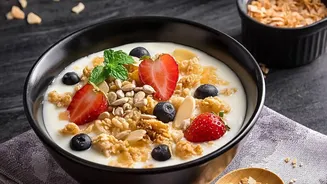
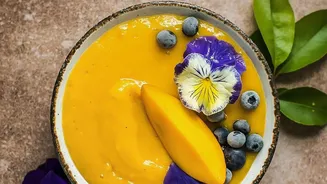
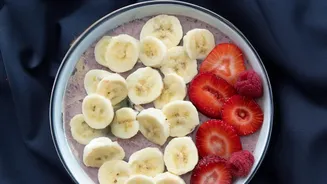
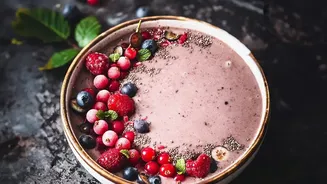
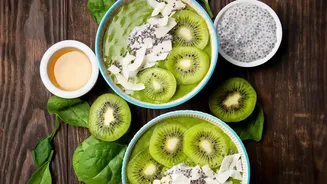
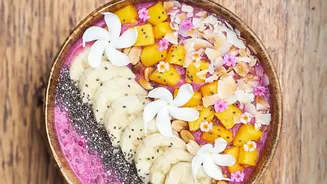
While the traditional sattu sharbat remains a beloved classic, the modern wellness movement has reimagined this superfood into a versatile breakfast bowl. Think of it as an Indian take on a smoothie bowl or overnight oats. This new format transforms the simple flour into a complete, satisfying meal. The bowl concept allows for endless customisation, adding texture, flavour, and even more nutrients through a variety of toppings. It's a visually appealing, convenient, and incredibly nourishing way to start the day, bridging the gap between ancient nutritional wisdom and the demands of a modern lifestyle.
How to Build Your Perfect Sattu Bowl
Creating your own high-protein sattu bowl is simple and allows for complete creative freedom. Start with a base, make it creamy, add some sweetness, and finish with toppings.
1. The Base: Begin with 3-4 tablespoons of sattu flour in a bowl.
2. The Liquid: Slowly whisk in a liquid of your choice to form a thick, smooth paste. You can use water, milk, or a plant-based alternative like almond or soy milk. For a thicker, creamier texture, plain yogurt or buttermilk works wonderfully.
3. Natural Sweeteners: If you prefer a sweet bowl, mix in a healthy sweetener. Jaggery powder, honey, or maple syrup are excellent choices. For a savoury version, skip this and add spices instead.
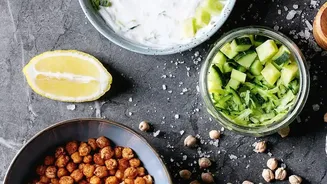
4. Flavour Boosters: For a sweet bowl, a pinch of cardamom or cinnamon adds warmth. For a savoury bowl, try black salt, roasted cumin powder, and a squeeze of fresh lemon juice.
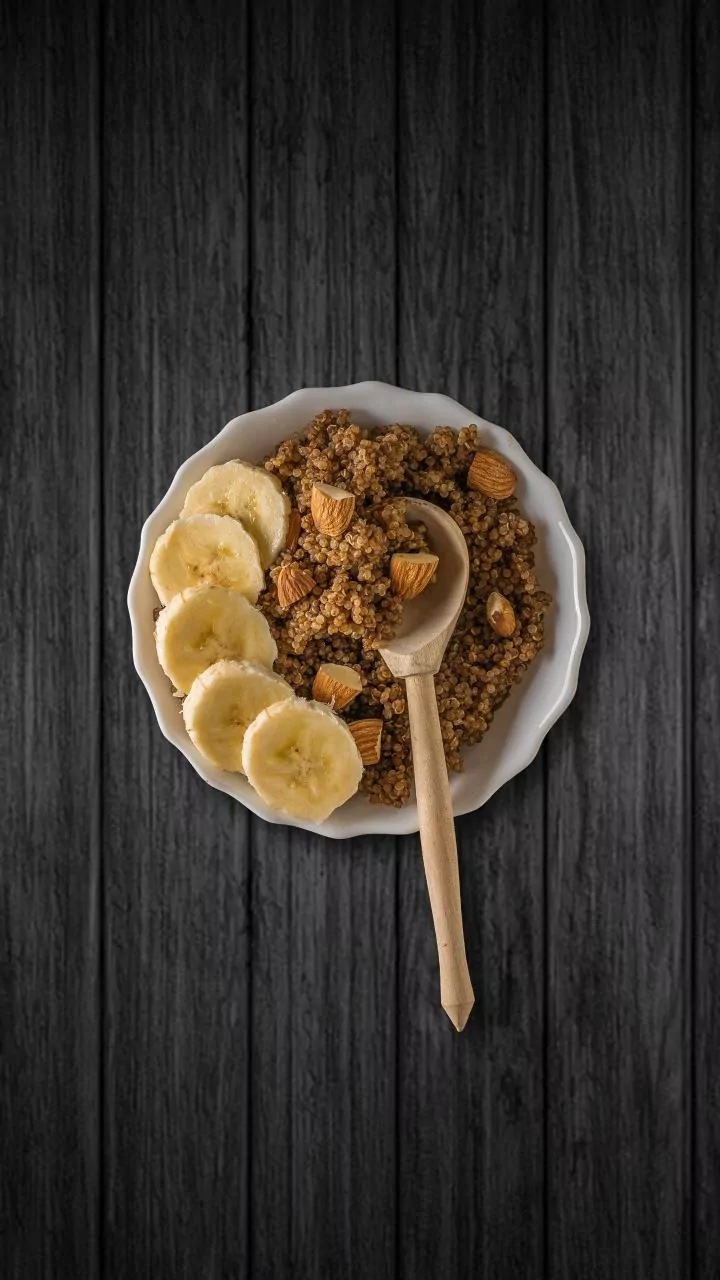
5. The Toppings: This is where you can get creative. Add sliced fresh fruits like bananas, berries, or mango. For crunch and healthy fats, add a sprinkle of nuts and seeds like almonds, walnuts, chia seeds, or pumpkin seeds. Puffed grains or toasted chickpeas can also add a delightful texture.