




What Is Sumac and Why Use It?
Sumac is a spice made from the dried and ground berries of the Rhus coriaria shrub, which grows in the Mediterranean and Middle East. Its defining characteristic is a tart, citrus-like flavour, similar to lemon but with earthy and subtly fruity notes.
Unlike lemon juice or vinegar, sumac is a dry acid. This means it can add a zesty brightness to dishes without introducing extra liquid, making it perfect for dry rubs and maintaining the texture of other ingredients. It works beautifully as a finishing spice sprinkled over a dish or as a core component in a blend. It's important to use culinary sumac from the Rhus coriaria plant, as other varieties, such as those with white berries found in North America, can be toxic.
Crafting the Perfect Sumac Vinaigrette
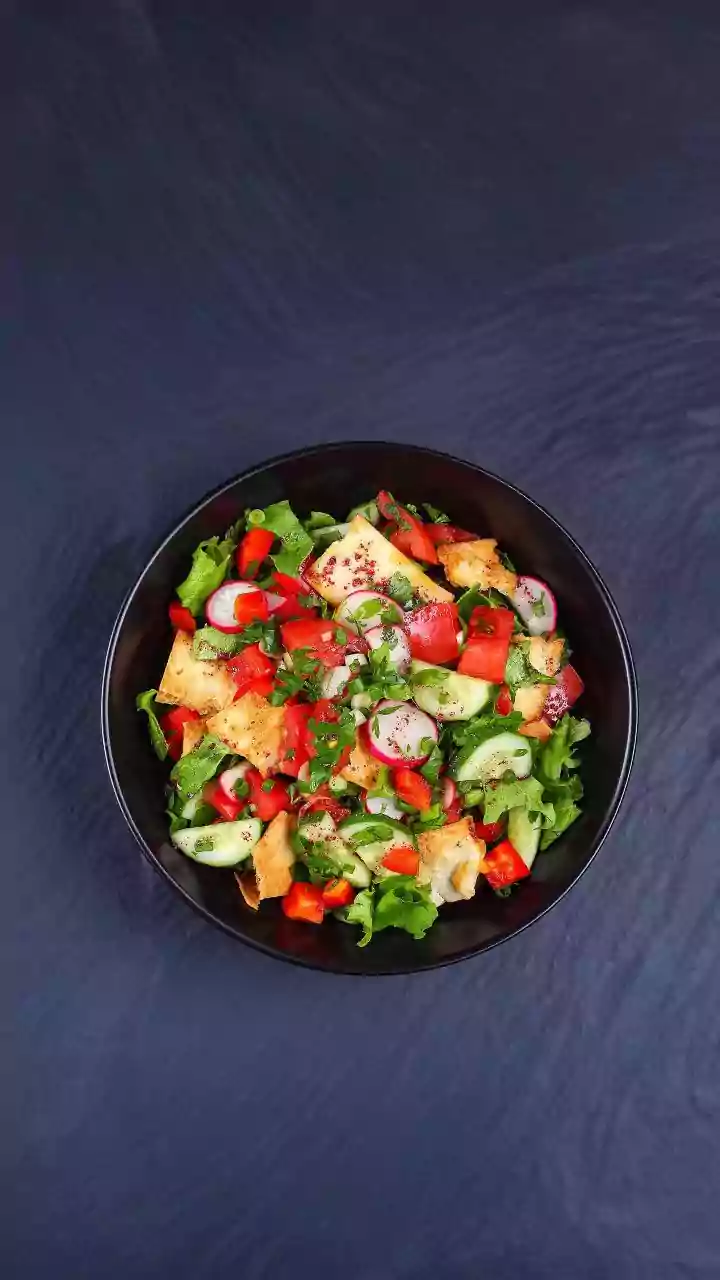
One of the easiest ways to incorporate sumac is in a salad dressing. Its tangy quality provides all the acidic punch you need, often replacing or complementing lemon juice. For a basic sumac vinaigrette, whisk together extra virgin olive oil, a smaller amount of red wine vinegar, sumac, a touch of honey or maple syrup for balance, and salt. You can also combine it with ingredients like pressed garlic, Dijon mustard, and dried herbs like oregano or mint. A sumac dressing is famously used in the Middle Eastern bread salad, fattoush, but it works wonderfully on everything from simple green salads to heartier butter bean or grain bowls.
A Zesty Marinade for Vegetables
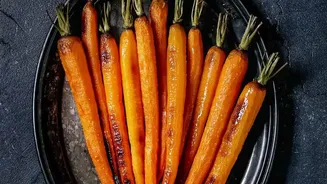
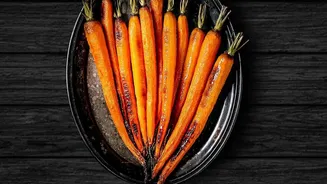
Sumac is an excellent base for marinades, especially for vegetables destined for the oven or grill. Its flavour holds up well to heat, infusing the vegetables with a bright tanginess that balances their natural sweetness. To create a simple marinade, stir sumac into olive oil with salt, pepper, and other spices like ground coriander or a pinch of cinnamon. For roasted root vegetables like carrots, beets, and sweet potatoes, a combination of sumac, olive oil, and balsamic vinegar creates a dressing that caramelizes beautifully in the oven. Simply toss the chopped vegetables in the mixture until they are evenly coated, then spread them on a baking sheet to roast.
The Ultimate Dry Seasoning
As a dry rub, sumac brings flavour without moisture, making it ideal for achieving a perfect texture on roasted or grilled foods. For a simple and effective seasoning for vegetables, toss them in olive oil and then sprinkle generously with sumac, salt, and pepper before cooking. You can also create more complex spice blends. Sumac pairs well with fennel seeds, smoked paprika, Aleppo pepper, and cinnamon for a balanced rub that is both tart and warm. This kind of dry seasoning works especially well on heartier vegetables like eggplant, onions, capsicum, and mushrooms, which become deeply caramelized and rich when roasted.
Beyond Salads and Roasted Vegetables
The versatility of sumac extends far beyond the uses in its headline. It is a classic garnish for dips like hummus and labneh, where its colour and flavour provide a beautiful contrast. Many also sprinkle it over avocado toast, popcorn, or even a crispy fried egg for an unexpected pop of brightness. In traditional Middle Eastern cuisine, it's a key ingredient in the spice blend za'atar and is used to season everything from grilled meats and fish to rice dishes. Once you start using it, you may find yourself reaching for sumac whenever a dish needs a final touch of acidity and complexity.