






The Tyranny of the Clock
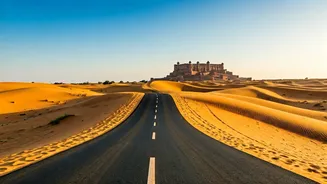
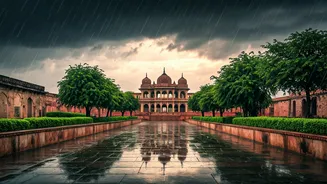
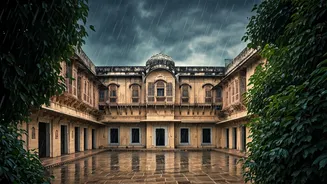
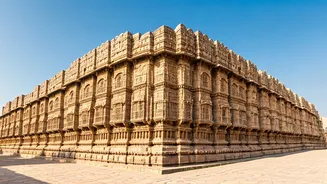
Rajasthan is a land of monumental grandeur, from the imposing Amber Fort in Jaipur to the majestic Mehrangarh Fort in Jodhpur. These historical treasures are the crown jewels of India's tourism landscape, drawing millions of visitors. Yet, a significant
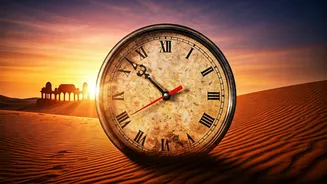
constraint often tempers the magic: the clock. Most major monuments and palaces operate on a standard schedule, typically opening around 9:00 AM and closing by 5:00 or 6:00 PM. This rigid window forces the vast majority of tourists into the same places at the same time, creating a rushed and often crowded experience. This model, a holdover from a different era of travel, clashes with the modern tourist's desire for unique, personal, and flexible experiences. The typical sightseeing day becomes a frantic race from one ticket counter to the next, leaving little room for spontaneous discovery or quiet appreciation.
Battling the Midday Sun
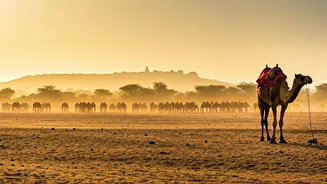
The most significant flaw in the fixed-timing model is its complete disregard for Rajasthan's climate. For much of the year, and especially during the peak summer months from April to June, the midday sun is relentlessly fierce, with temperatures often soaring above 40°C. Sensible travel advice for this period is to stay indoors during the afternoon, precisely when most monuments are open. This creates a frustrating paradox: tourists are forced to either brave dangerously high temperatures or forfeit precious sightseeing hours. Many choose to explore early in the morning and retreat to their hotels by noon, effectively cutting their available sightseeing time in half. A more logical approach would allow access during the cooler, more pleasant hours of the early morning and late evening, aligning the tourist experience with the natural rhythm of life in a desert state.
Chasing the Golden Hour
Beyond the practical issue of heat, rigid timings deprive visitors of the most magical moments: sunrise and sunset. The 'golden hour' light transforms Rajasthan's sandstone forts and marble palaces into something truly ethereal. Photographers, artists, and romantics alike flock to the state hoping to capture this beauty. Yet, most forts and palaces are firmly shut when the light is at its best. While some spots like Nahargarh Fort in Jaipur have become popular for sunset views over the city, official access to the main historical compounds is usually restricted. Imagine being able to wander the ramparts of Kumbhalgarh as the sun rises, or witness the sunset from the courtyards of the City Palace. Offering premium, ticketed access for these special moments would not only enhance the visitor experience but also create a new, high-value revenue stream for the state.
A Model for Modern Tourism
A shift toward flexible sightseeing windows is not about leaving gates open 24/7. It is about smart, tiered management that caters to different needs. This could involve several initiatives. Firstly, 'Sunrise Tickets' or 'Sunset Passes' could be offered at a premium, providing exclusive access to a limited number of visitors. Secondly, 'Evening Hours' for certain well-lit palaces, like Jaipur's City Palace or Udaipur's lakeside properties, could transform them into enchanting nocturnal destinations, complete with cultural performances and fine dining. This would help distribute crowds more evenly throughout the day, easing the daytime rush. The concept of flexible access already exists in micro-doses with evening light-and-sound shows, proving the model is viable. Extending this flexibility to the core sightseeing experience is the next logical step to elevate Rajasthan's tourism offerings from world-class to truly unforgettable.