





The grab-and-go sandwich is a modern lifesaver. But while convenient, many ready-made options hide a surprising amount of salt, sugar, and unhealthy fats. Taking back control is easier than you think, simply by making them yourself.
The Hidden Cost of Convenience
A pre-packaged sandwich
can seem like a healthy choice, especially when you're short on time. However, many commercial sandwiches are loaded with sodium, preservatives, and calories. Research has shown that foods prepared away from home, including at restaurants and fast-food outlets, contain significantly more sodium than meals made at home. Some ready-made sandwiches can contain more than half of an adult's recommended daily salt intake in a single serving. This is often due to processed meats, high-sodium cheeses, and breads that themselves contain surprising amounts of salt. Beyond salt, many sandwiches also feature sauces and spreads that are high in hidden sugars and unhealthy fats, turning a seemingly simple lunch into a diet-wrecker.
Taking Charge of Your Salt Intake
One of the biggest advantages of making your own sandwich is the direct control you gain over sodium. The majority of sodium in many diets comes from processed and restaurant foods, not the salt shaker at home. Processed deli meats are a major culprit; some sliced hams and salamis can be packed with salt used for flavour and preservation. A sandwich from a popular chain can have more than double the sodium of one made at home with fresh ingredients. By choosing fresh-cooked proteins like roasted chicken or turkey, using lower-sodium cheeses, and being mindful of the bread you select, you can drastically cut down your salt consumption without sacrificing flavour.
Smarter Sauces and Spreads
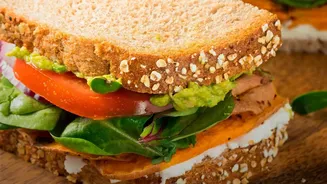
Condiments can make or break a sandwich, but they are also a primary source of hidden sugars and fats. Barbecue sauce, honey mustard, and even some ketchups and 'light' salad dressings can have several grams of sugar per tablespoon. Food manufacturers often add sugar to balance acidity and enhance flavour, which can quickly add up. When you make your sandwich at home, you can opt for healthier spreads. Nutrient-rich options like hummus, mashed avocado, tzatziki, or a simple olive tapenade provide creaminess and a burst of flavour without the added sugars and unhealthy oils found in many bottled sauces. Even a simple swap from a sugary commercial dressing to a classic oil and vinegar can make a significant difference.
Perfecting Your Own Portions
Restaurant and pre-packaged meal sizes are often much larger than what a person needs in one sitting. This 'portion distortion' can lead to overeating and unwanted weight gain. Making your own meals is a powerful way to manage portion sizes effectively. You decide how much protein, carbohydrates, and vegetables go into your sandwich, allowing you to create a meal that aligns with your specific energy needs and health goals. This control not only helps with weight management but also improves digestion, as your body isn't overloaded by a massive meal. By building your own, you can ensure a balanced ratio of lean protein, fibre-rich vegetables, and whole grains, keeping you feeling full and satisfied for longer.
A Blueprint for a Better Sandwich
Ready to build a superior sandwich? Start with a better base by choosing 100% whole-grain bread, pitas, or wraps, which provide more fibre and nutrients than refined white bread. Next, pick a lean protein like fresh-cooked chicken or turkey breast, canned tuna, eggs, or plant-based options like hummus and beans. Try to limit heavily processed deli meats. Then, pile on the vegetables for crunch, colour, and nutrients without adding many calories; lettuce, tomato, cucumber, bell peppers, and onions are all excellent choices. Finally, get creative with your spreads. Ditch the sugary sauces for healthier alternatives like guacamole or a simple drizzle of olive oil with herbs. These small changes add up to a much healthier, and often tastier, final product.