






Give Yourself Extra Time
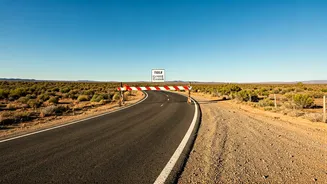
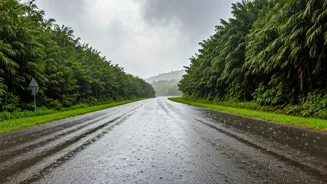
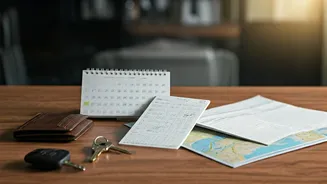
The golden rule of monsoon travel is to never be in a hurry. Heavy rains reduce visibility, make roads slippery, and create traffic bottlenecks that can double or triple your usual travel time. [21] Driving slowly and defensively is non-negotiable. [19]
Sudden braking or sharp turns on wet surfaces can easily lead to skidding. [21] By starting your journey earlier than usual, you give yourself a crucial buffer to navigate these hazards without stress. Think of it not as lost time, but as an investment in your safety. Rushing through waterlogged streets only increases your risk of accidents and potential vehicle damage.
Choose The Right Footwear
The shoes you wear can make or break your monsoon experience. Leather and canvas are poor choices as they absorb water, take a long time to dry, and can be ruined by moisture. [12, 17] The best options are made from waterproof or quick-drying materials like rubber, EVA, or other synthetics. [4] Look for footwear with anti-slip soles to provide a firm grip on slick, muddy, or tiled surfaces. [17, 20] Rubber sandals, floaters, and clogs are excellent choices for daily commutes as they are easy to clean and allow water to drain away. [15] For those who need a more formal look, waterproof loafers made from treated materials are also available. [15] If you must wear office shoes, consider commuting in waterproof sandals and changing into your formal pair once you arrive.
Plan and Prepare Your Route
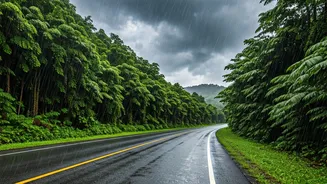
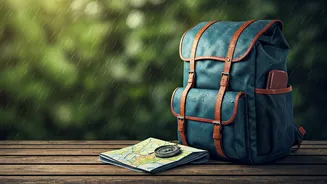
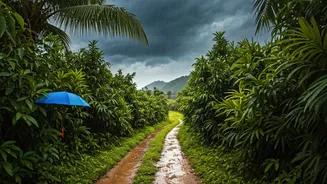
Never leave your route to chance during a downpour. Familiar routes can become impassable due to unexpected waterlogging or fallen trees. [14] Before you leave, use navigation apps that provide real-time updates on traffic and road conditions. [6, 19] Some apps even allow users to report waterlogged areas, helping you avoid getting stuck. [23] It’s always wise to have a backup route in mind. Pay attention to local news and community social media groups for alerts about heavily affected areas. The most crucial tip is to avoid driving through standing water. [19] It is often impossible to judge the depth of a puddle, which could conceal deep potholes or open manholes that can cause severe damage to your vehicle or lead to an accident. [16]
Prepare Your Vehicle for the Rain
Your vehicle is your primary shield against the elements, and it needs to be in top condition. Before the monsoon sets in, get your car or two-wheeler serviced. Pay special attention to the brakes, as wet conditions can reduce their effectiveness. [8, 9] Ensure your tyres have adequate tread depth (at least 2-3 mm) to grip wet roads and prevent hydroplaning, which is when a layer of water builds between the tyre and the road, causing a loss of control. [16, 19] Check that all lights—headlights, tail lights, and indicators—are functioning correctly, as good visibility is key to being seen by others in heavy rain. [5, 13] Finally, replace worn-out wiper blades to ensure a clear view of the road ahead. [10, 16]
Pack a Monsoon Emergency Kit
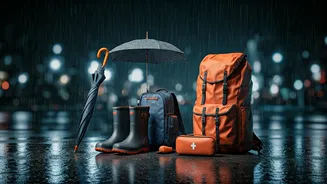
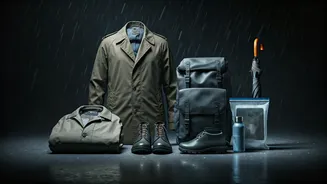
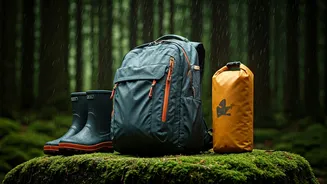
Getting stranded is a real possibility during the monsoon, so it pays to be prepared. Keep a small emergency kit in your vehicle or bag. This should include a sturdy umbrella, a lightweight raincoat, and a towel. [14] Plastic zip-lock bags or dry bags are essential for protecting your phone, wallet, and other important documents from water damage. [3] A fully charged power bank is a lifesaver if you're stuck in traffic for hours. [3] It’s also a good idea to carry a basic first-aid kit with antiseptic wipes and waterproof bandages, along with some snacks and a bottle of drinking water for unexpected delays. [2]