




Why Preparation Is Now Paramount
Driving during the Indian monsoon has always presented challenges, but the stakes feel higher today. Unpredictable weather patterns can turn a gentle shower into a torrential downpour without warning. This leads to sudden waterlogging that can conceal
deep potholes or even wash away parts of the road surface. Hazards like fallen trees and slick, muddy roads are common, increasing the risk of getting stranded. In these moments, being self-reliant is not just a convenience; it is a critical safety measure. A breakdown or a flat tyre that is a simple inconvenience on a dry day can become a serious problem in a remote area with low visibility and no network coverage. A well-thought-out emergency kit empowers you to handle these situations independently until professional help can arrive.
The Non-Negotiable Basics for Any Season
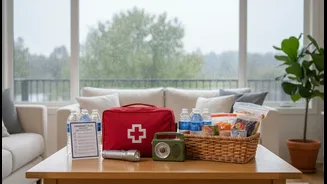
Every car should have a foundational emergency kit, regardless of the weather. Start with a comprehensive first-aid box containing essentials like bandages, antiseptic wipes, pain relievers, and any personal medications. Automotive tools are next: jumper cables for a dead battery, a portable tyre inflator to manage pressure changes, and a complete puncture repair kit. A sturdy tow rope and a basic tool set with screwdrivers and wrenches can also be invaluable. For visibility and signalling, a powerful, waterproof LED flashlight with extra batteries and reflective warning triangles are must-haves to alert other drivers if you are stopped on the roadside.
Monsoon-Specific Must-Haves
The rainy season demands special additions to your kit. Poor visibility is one of the biggest dangers, so start with your vehicle. Ensure your wiper blades are new and effective; old, hardened blades that leave streaks are a safety hazard. Using a rain-repellent solution on your windshield can dramatically improve visibility by causing water to bead and roll off. Inside the car, high humidity causes windshields to fog up. Your car's air conditioner is the best tool for defogging, so ensure it is working properly. Packing a few extra microfibre cloths is also a smart move for quickly wiping down foggy windows and mirrors.
Visibility and Communication Tools
In heavy rain, being seen is as important as seeing. A high-visibility reflective vest should be in your kit in case you need to step out of your vehicle on a busy road. Road flares or reflective triangles are essential for making your vehicle visible to other drivers in low-light conditions. Communication is another key pillar of safety. With mobile networks often failing in remote or hilly areas during bad weather, a fully charged power bank is not a luxury but a necessity to keep your phone running. It's also wise to download offline maps of your route before you start your journey, ensuring you can navigate even without an internet connection.
Personal Comfort and Sustenance
An emergency doesn't just impact your car; it impacts you. If you are stranded for an extended period, personal comfort becomes a safety factor. Pack an umbrella, a raincoat or poncho, and a complete change of dry clothes, including socks. Getting wet and cold can impair your judgment and ability to handle the situation. It is also crucial to have a stock of non-perishable snacks like energy bars or nuts and several bottles of drinking water. These items can make a long wait for assistance significantly more manageable and keep your energy levels up. A towel is another simple but incredibly useful item to have on hand.