



Why Monsoon Humidity Is a Problem
The primary issue during the monsoon is the persistent moisture in the air and on surfaces. When a pet’s coat gets wet from a walk in the rain or even just from the humid environment, it can remain damp for hours. This trapped moisture against the skin
weakens its natural protective barrier, making it soft and vulnerable. Warm, moist environments are the ideal conditions for bacteria and fungi to multiply rapidly, leading to a spike in skin infections that vets see every year between June and September. This is especially true for dogs with thick or double coats, as well as breeds with skin folds, where moisture can be easily trapped.
Common Skin Ailments to Watch For
Pet owners should be vigilant for several common skin issues during this season. Fungal infections, like yeast dermatitis and ringworm, are frequent culprits. They often cause intense itching, redness, a musty odour, and flaky or greasy skin, particularly between the toes, in the ears, and within skin folds. Bacterial infections, such as pyoderma, manifest as pus-filled bumps, crusty sores, and inflamed red patches. Another painful condition is acute moist dermatitis, commonly known as 'hot spots'. These are red, wet, irritated patches of skin that can appear suddenly and spread quickly if a pet licks or chews the area. The damp conditions also lead to a surge in parasites like ticks and fleas, which not only bite but can trigger further skin irritation and disease.
The Importance of a Drying Routine
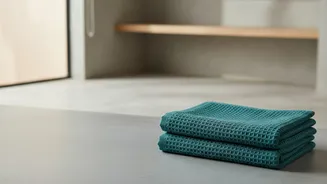
Prevention is the most effective strategy, and it starts with a strict drying routine. Never let your pet air-dry after getting wet. After every single walk, use a highly absorbent microfiber towel to pat them dry, paying special attention to paws, underarms, the belly, and any skin folds. For pets with thick coats, using a blow dryer on a low, cool setting is crucial to ensure the undercoat is completely dry down to the skin. Keeping your pet dry disrupts the moist environment that pathogens need to thrive, significantly reducing the risk of infection.
Grooming and Home Environment Care
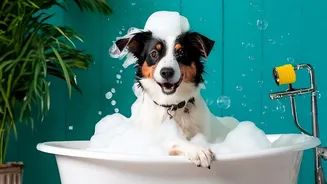
Regular grooming is vital. Daily brushing helps remove loose fur, dirt, and debris, preventing mats that can trap moisture against the skin. Consider trimming the hair on long-coated breeds and around the paws to improve air circulation and make cleaning easier. Bathing should be done, but not too frequently; once every two to three weeks with a vet-approved antifungal or mild shampoo is often sufficient. Inside the home, ensure your pet's bedding is washed and dried regularly to prevent fungal growth. Good ventilation or using a dehumidifier can also help reduce the overall moisture level in your home, creating a less hospitable environment for microbes.
When to See a Veterinarian
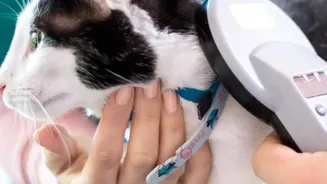
While preventative care can manage most issues, some signs warrant an immediate trip to the vet. If you notice persistent scratching or licking, hair loss, a foul odour that doesn't go away, or spreading red patches or sores, professional help is needed. These can be signs of an infection that requires specific medication, such as oral antibiotics or antifungal treatments. A veterinarian can accurately diagnose the issue and provide a targeted treatment plan to give your pet relief and prevent the condition from worsening.