




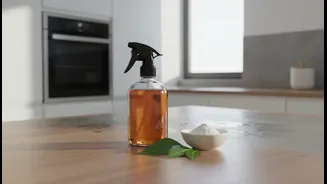


The Appeal of a 'Natural' Home
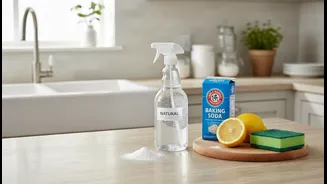
The desire to switch to low-chemical cleaning is understandable. Concerns about harsh ingredients like bleach and ammonia, especially in homes with children and pets, have made solutions with vinegar, baking soda, and lemon juice incredibly popular. They
are often cheaper, readily available, and perceived as being safer for both our health and the environment. For everyday tasks like wiping counters or cleaning windows in dry weather, these natural alternatives can be quite effective. They promise a clean home without the strong fumes and toxic residues associated with many conventional products. This makes them a go-to for families looking to create a healthier living space.
When Humidity Changes the Rules
The game changes entirely once the monsoon sets in. The high humidity, often exceeding 70-80% across India, creates the perfect breeding ground for mould, mildew, and bacteria. Moisture becomes trapped in walls, furniture, and clothing, activating organic residue that might have been harmless during the dry summer months. A 2018 study found that in humidity levels above 70%, mould can establish itself on surfaces within just 24 to 48 hours. This is where the limits of many low-chemical solutions become apparent. What works in a dry climate often struggles against the relentless dampness of an Indian monsoon, which demands a more strategic approach to cleaning.
The Hard Truth About Mould
Mould is the biggest monsoon challenge, and this is where DIY solutions often fail. While white vinegar can kill some common mould species on non-porous surfaces like glazed tiles, it is not a silver bullet. Studies have shown it is ineffective against certain types of household mould. More importantly, on porous surfaces like painted walls or wood, vinegar may only clean the surface while the mould's roots remain embedded, ready to regrow. For small, surface-level spots, a vinegar spray might work as a preventative measure. However, for established or widespread mould, a stronger, targeted chemical cleaner is often necessary to truly eradicate the problem and protect your family’s health from respiratory issues triggered by mould spores.
Pests, Odours, and Dampness
Monsoon drives pests like cockroaches, ants, and flies indoors in search of dry shelter and food. While natural repellents like neem, clove, and cinnamon can help deter them, their effectiveness is often limited. A vinegar wipe can erase ant trails, but it won't stop a determined colony. Similarly, essential oils may offer a temporary fresh scent, but they don't solve the underlying cause of musty smells: microbial growth in damp materials. To truly combat these issues, the focus must be on moisture control. Using dehumidifiers, ensuring good ventilation, and fixing leaks are far more effective long-term strategies than simply spraying a pleasant-smelling solution. For persistent pests, removing their food source by storing all food in airtight containers is the most critical step.
A Renter's Responsibility
For renters, ineffective cleaning can have financial consequences. Landlords are typically responsible for major structural issues like waterproofing and seepage, but tenants must give written notice of such problems. If mould grows due to a lack of ventilation or cleaning, a landlord could potentially deduct the cost of repairs from the security deposit. Relying solely on a low-chemical approach that fails to control a mould outbreak can lead to property damage you may be held responsible for. It is wise to inspect the home for leaks and damp patches before the monsoon begins, inform the landlord in writing, and use cleaning methods that are proven to work for the specific issue at hand, even if that means selectively using a stronger chemical agent for a serious problem like a mouldy wall.
A Hybrid Approach Is Smartest
The debate shouldn't be about "natural vs. chemical" but about what is effective and appropriate for the situation. Professional cleaners often adopt a hybrid approach. They use gentle, eco-friendly cleaners for general surface cleaning but turn to specialized, stronger products for disinfecting bathrooms, tackling deep-seated mould, or handling heavy grease. This balanced strategy makes sense for home cleaning as well. Use your vinegar and baking soda solutions for daily maintenance, like mopping floors and cleaning kitchen counters. But when faced with a stubborn patch of monsoon mould behind a cupboard or a persistent pest issue, don't hesitate to use a product specifically designed for that problem. It is the most effective way to ensure your home remains healthy and safe.