



First, What Are Prebiotics?
Before we raid the spice box, let's clear up a common confusion: prebiotics are different from probiotics. Probiotics are the live, beneficial bacteria found in foods like dahi (yogurt). Prebiotics, on the other hand, are types of dietary fibre that act as
food for these good bacteria. Think of probiotics as the helpful workers in your gut, and prebiotics as the nutritious lunch that keeps them energised and effective. These non-digestible fibres, like inulin and resistant starch, travel to your large intestine where they ferment and nourish your gut microbiome, supporting everything from digestion to immunity.
Onions and Garlic: The Foundation of Flavour
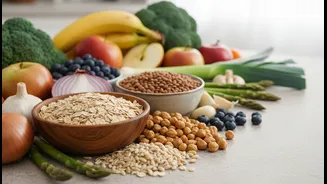
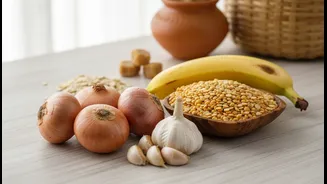
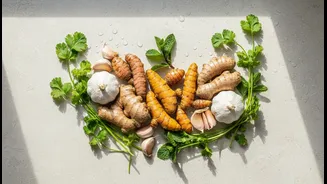
Nearly every Indian curry starts with the sizzle of onions and garlic, and for good reason beyond taste. These aromatic alliums are prebiotic powerhouses, rich in fibres like inulin and fructooligosaccharides (FOS). These compounds specifically encourage the growth of beneficial gut bacteria such as Bifidobacteria, which help maintain a healthy balance in your digestive system. While cooking can slightly reduce their prebiotic potency, they still provide significant benefits. For an extra boost, try incorporating raw onion into salads, raitas, or kachumber.
Lentils and Chickpeas: The Comforting Staples
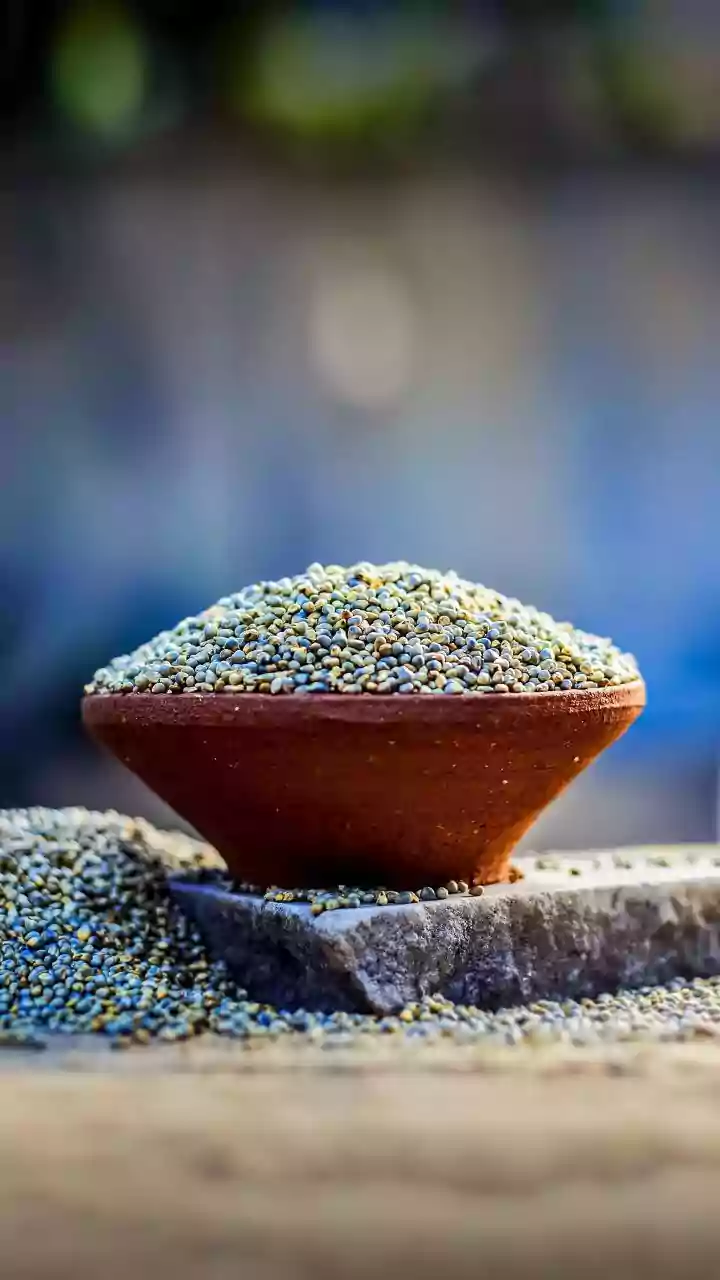
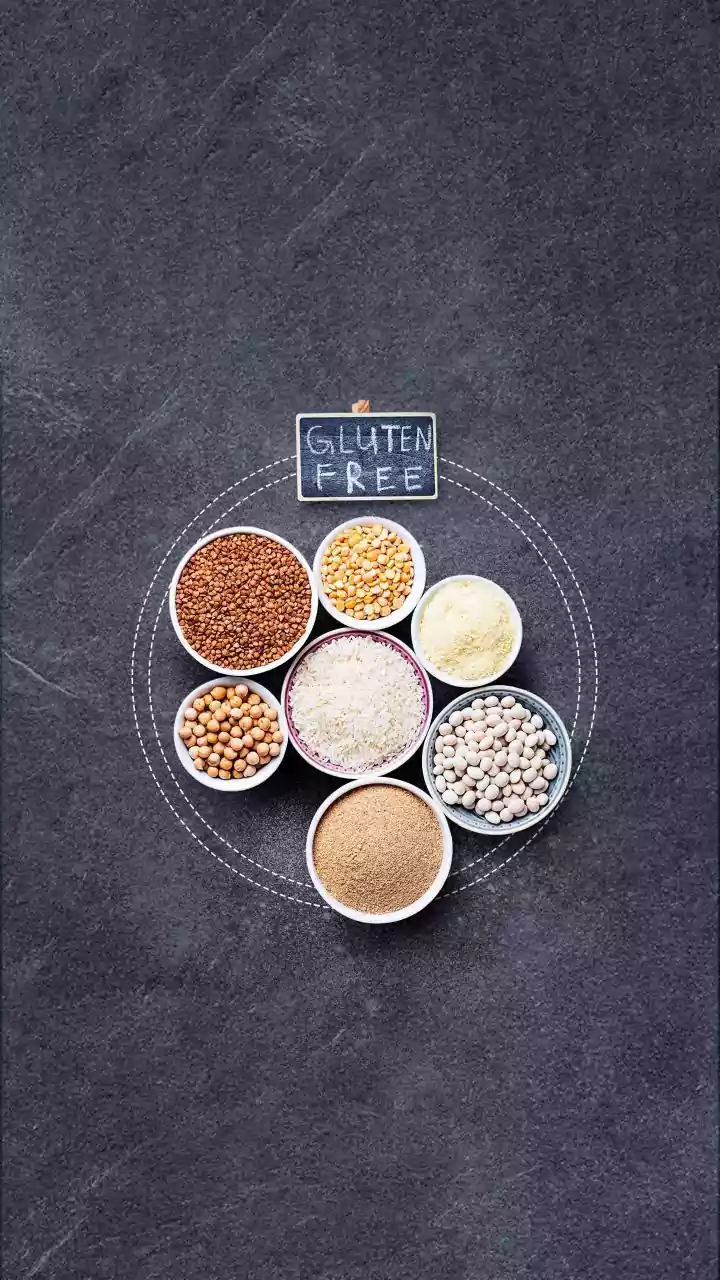
That daily bowl of dal is doing more than just providing comfort and protein; it's a fantastic source of prebiotics. Lentils (dal), chickpeas (chana), and other pulses like rajma are packed with prebiotic fibres such as galactooligosaccharides (GOS) and resistant starch. These fibres are excellent food for your gut microbes, helping them produce short-chain fatty acids (SCFAs) that nourish the cells lining your colon and reduce inflammation. Eating a variety of dals and legumes throughout the week is a simple and effective way to support a diverse and thriving gut microbiome.
Unripe Bananas: A Surprising Gut Hero
While ripe bananas are sweet and delicious, their green, unripe counterparts are a secret weapon for gut health. Unripe bananas are exceptionally high in resistant starch, a type of prebiotic carbohydrate that resists digestion in the small intestine. It travels to the colon intact, where it ferments and feeds beneficial bacteria. As a banana ripens, this resistant starch converts into simple sugars, so the greener, the better for prebiotic benefits. In many parts of India, raw bananas are commonly used in sabzis, curries, and chips, making it an easy ingredient to incorporate.
Whole Wheat: The Everyday Roti
The humble whole wheat flour (atta) used to make rotis, chapatis, and parathas is another key source of prebiotic fibre. Whole grains, unlike their refined counterparts, retain the bran, which is rich in insoluble fibres like arabinoxylans that act as prebiotics. These fibres add bulk, aid regular bowel movements, and feed the good bacteria in your gut, contributing to a healthier digestive system. Simply choosing whole grain options over refined flour is a significant step towards better gut health.
Apples and Flaxseeds: Fibre-Rich Boosters
Often found in the Indian fruit basket, apples are another accessible prebiotic source. They are rich in pectin, a type of soluble fibre that has been shown to increase beneficial bacteria while discouraging harmful ones. Pectin helps produce butyrate, a short-chain fatty acid that is vital for the health of your gut lining. Similarly, flaxseeds (alsi), which are increasingly popular, are loaded with prebiotic fibre and omega-3s. Sprinkling ground flaxseeds over your breakfast or adding them to dough is an easy way to give your gut an extra dose of nourishment.