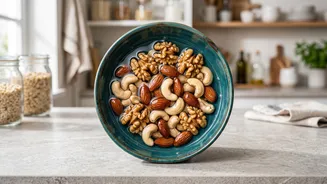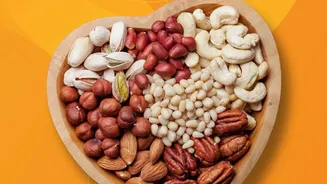





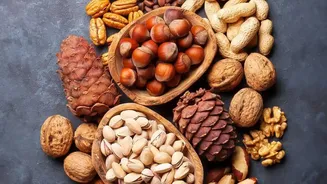
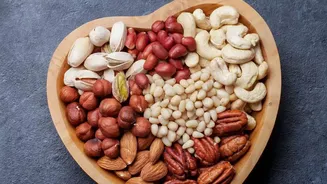
Nuts are a cornerstone of healthy eating, packed with beneficial fats, protein, and fibre. But a growing conversation suggests a simple step—soaking—can unlock even more of their nutritional power by tackling something called 'anti-nutrients'.
What Are 'Anti-Nutrients'?
The term
'anti-nutrient' sounds alarming, but these are naturally occurring compounds in plant-based foods like nuts, seeds, grains, and legumes. The most discussed anti-nutrients in nuts are phytic acid, tannins, and lectins. Phytic acid, for instance, is the main way plants store phosphorus. These compounds act as a natural defence mechanism for the plant. In the human body, however, phytic acid can bind to minerals like iron, zinc, and calcium during a meal, potentially reducing their absorption. Similarly, tannins can sometimes interfere with digestive enzymes. While these effects are generally not a concern for individuals with a balanced diet, they can be a factor for those who rely heavily on plant-based foods or have specific digestive sensitivities or mineral deficiencies.
The Science Behind Soaking
Soaking raw nuts in water is believed to initiate the germination process, essentially signalling to the seed that it's time to grow. This 'activation' awakens enzymes within the nut, such as phytase. The role of phytase is to break down phytic acid, releasing the stored phosphorus for the young plant. By mimicking this natural process in our kitchens, we can potentially reduce the phytic acid content. The idea is that by breaking down these anti-nutrients before consumption, we make the minerals within the nuts more bioavailable for our bodies to absorb. Soaking is also said to soften the nuts, which may make them easier to digest for some people, potentially reducing feelings of bloating or heaviness.
Does Soaking Really Work?
While the theory is sound, the scientific evidence on nuts specifically is mixed. Some studies show that soaking can reduce anti-nutrients, but the results vary. For instance, a 2020 study published in the journal 'Food Chemistry' examined several types of nuts and found that soaking produced relatively small and inconsistent changes in phytic acid levels. In some cases, mineral concentrations even declined slightly as they leached into the water. Other experts argue the benefits are significant, especially for digestibility. The consensus seems to be that while soaking might not be a magical solution, it can be a useful tool. The effect also depends on the nut itself; almonds, for example, are high in phytic acid, while macadamia nuts are naturally much lower.
A Practical Guide to Soaking Nuts
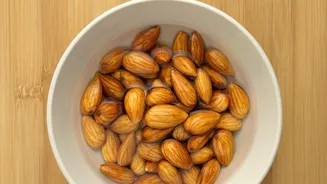
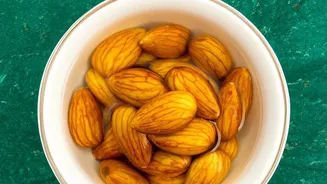
If you'd like to try soaking, the process is simple. Start with raw, unsalted nuts, as roasted nuts will not 'activate' because their enzymes have been destroyed by heat. Place the nuts in a glass bowl, cover them completely with filtered water, and add a pinch of sea salt. Soaking times vary depending on the nut's hardness and fat content. Softer, oilier nuts like cashews and pine nuts need only 2–4 hours, while harder nuts like almonds and hazelnuts require 8 hours or more. After soaking, it's crucial to discard the cloudy water, which contains the leached anti–nutrients, and rinse the nuts thoroughly under fresh water. The soaked nuts can be used immediately in smoothies or for making nut milk, or you can dehydrate them in an oven on its lowest setting or in a dehydrator until crisp for a crunchy snack.
The Nutritionist's Verdict
From a nutritionist's perspective, soaking nuts is not a necessity for everyone. For most people enjoying a varied and nutrient–rich diet, the presence of anti–nutrients in nuts is not a significant health concern. In fact, phytic acid also has beneficial properties, including acting as an antioxidant. However, for individuals with compromised digestion, specific mineral deficiencies, or those on a vegan or vegetarian diet who rely heavily on nuts and seeds for minerals, soaking can be a beneficial practice. Think of it less as avoiding a 'bad' substance and more as a method of optimising digestion and enhancing nutrient availability. It's a simple, traditional preparation technique that may improve how your body processes these nutritious foods.