



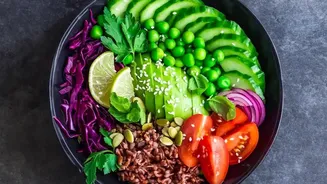

The Daily Salad Advantage
Incorporating a salad into your daily meal plan is one of the simplest ways to boost your intake of essential vitamins, minerals, and fibre. A well-constructed salad is more than just a low-calorie meal option; it is a powerhouse of nutrition that supports
everything from immune function to weight management. The high fibre content in raw vegetables helps maintain a healthy gut, promotes regular bowel movements, and can help stabilize blood sugar levels. Furthermore, many salad ingredients are rich in water, which aids in hydration and helps the body flush out toxins. By making a colourful salad a regular habit, you provide your body with a broad spectrum of antioxidants that protect cells from damage.
Cucumber: The Hydration Hero
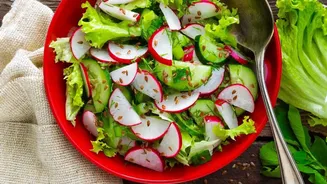
Crisp, cool, and incredibly refreshing, cucumber is a fantastic addition to any digestive-health salad. Composed of about 95% water, it is an excellent food for staying hydrated, which is crucial for maintaining a smooth digestive process. Beyond its water content, cucumber skin is a good source of insoluble fibre, which adds bulk to your stool and helps food move through your digestive tract more quickly, preventing constipation. Cucumbers also contain beneficial antioxidants and nutrients, including vitamin K. Their mild flavour and crunchy texture make them an easy and versatile ingredient to include in your daily bowl, helping to keep your digestive system running efficiently and comfortably.
Beetroot: An Earthy Digestive Aid
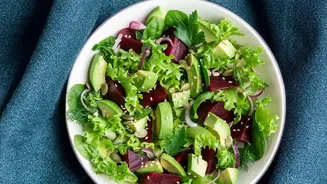
The vibrant, deep red of beetroot signals its rich nutritional profile. This earthy root vegetable is packed with dietary fibre, which is essential for a healthy gut. The fibre in beetroot acts as a prebiotic, feeding the beneficial bacteria in your digestive system. A thriving gut microbiome is linked to improved digestion, a stronger immune system, and reduced inflammation. Beetroot is also a source of glutamine, an amino acid that helps maintain the integrity of the intestinal lining. Additionally, the natural nitrates in beets can help improve blood flow throughout the body. Whether you add it raw and grated, or cooked and sliced, beetroot offers a powerful boost to your digestive health.
Sprouts: The Nutrient Powerhouse
Sprouts may be tiny, but they are packed with an incredible amount of nutrients and digestive benefits. The process of germination, or sprouting, actually increases the nutritional value of seeds, legumes, or grains. During this process, compounds like phytic acid, which can hinder nutrient absorption, are reduced. Sprouts are exceptionally rich in digestive enzymes, which help your body break down food more effectively and absorb more nutrients. They are also an excellent source of insoluble fibre, which helps to cleanse the digestive tract and promote regularity. Adding a handful of broccoli, mung bean, or alfalfa sprouts to your salad provides a crunchy texture and a concentrated dose of vitamins that support overall gut function.
Building Your Ultimate Digestive Salad
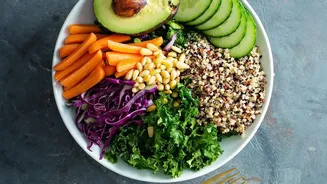
Creating a salad focused on digestive health is both easy and delicious. Start with a base of dark, leafy greens like spinach or kale, which are full of fibre and nutrients. Then, generously add chopped cucumber, grated beetroot, and a handful of fresh sprouts. To make it a complete and satisfying meal, consider including a source of lean protein, such as grilled chicken, chickpeas, or quinoa. Healthy fats from avocado, nuts, or a drizzle of olive oil-based dressing are also important, as they can help your body absorb the fat-soluble vitamins from the vegetables. By combining a variety of colourful plants, you ensure a diverse intake of fibres and phytonutrients to support a happy, healthy gut.