






What Exactly is Cost per Wear?
Cost per Wear, or CPW, is a simple but powerful concept that reframes how we look at the value of our clothing. Instead of just seeing the upfront cost, CPW measures the true cost of an item over its lifetime. The calculation is straightforward: divide
the total price of a garment by the number of times you wear it. A low CPW means you're getting great value from your purchase, while a high CPW suggests the opposite, regardless of how much you paid initially. This metric encourages a shift from thinking about a garment's price to its long-term worth.
Putting the Math into Practice
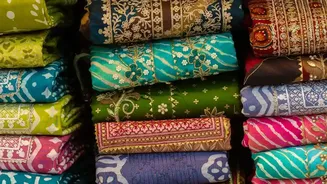
Let’s compare two common scenarios. Imagine a trendy, fast-fashion top that costs ₹1000. It seems like a bargain, but due to its seasonal design and lower quality, you might only wear it five times before it fades, loses its shape, or goes out of style. Its CPW is ₹200. Now, consider a classic, well-made kurta for ₹4000. The initial price is higher, but its timeless design and durable fabric mean you could wear it at least 40 times over several years. Its CPW drops to just ₹100. Suddenly, the 'expensive' kurta is actually twice the value of the 'cheap' top. This simple calculation can be applied to everything from jeans and jackets to shoes and festive wear, revealing the hidden costs in our wardrobes.
The Mindset Shift: From Cost to Investment
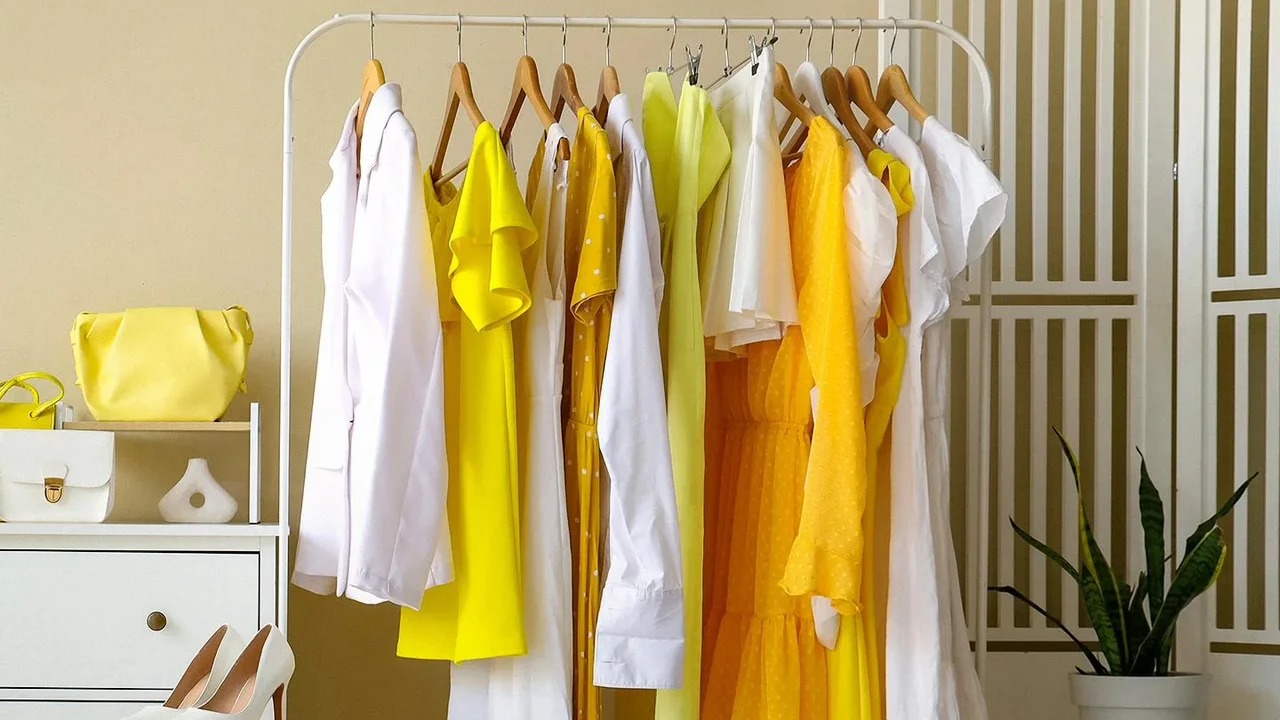
Adopting a CPW mindset is more than just doing math; it's about changing your relationship with your clothes. It encourages you to move away from impulse buys and the endless cycle of fast fashion. Instead of asking "Is this cheap?", you start asking, "Will I wear this often?". This simple question promotes more thoughtful purchasing. You begin to see clothes not as disposable items but as investments in your personal style and a functional wardrobe. This approach helps build a collection of clothes you genuinely love and repeatedly wear, reducing both clutter and buyer's remorse.
A Tool for Sustainable Shopping
The focus on longevity and repeated use makes CPW a powerful tool for sustainability. The fashion industry is a major global polluter, and the fast-fashion model of producing cheap, disposable clothing is a significant contributor to waste. By choosing durable items that you will wear for years, you reduce your personal consumption and the amount of clothing that ends up in landfills. In India, where there's a growing awareness of sustainability, thinking in terms of CPW aligns with traditional values of valuing quality and longevity. It supports the move towards a more circular fashion economy, where clothes are kept in use for as long as possible.
When CPW Isn't the Whole Story
While incredibly useful, CPW has its limitations. It's a practical metric, but it can't quantify sentimental value. That beautiful saree you inherited or wear for special occasions might have a high CPW, but its emotional worth is immeasurable. Similarly, the formula doesn't always account for the joy a particular outfit might bring, even if worn infrequently. It's also important to remember that for some, the higher upfront cost of a 'low CPW' item might not be feasible, regardless of the long-term value. Therefore, CPW should be used as a helpful guide, not a strict rule that removes all joy and spontaneity from shopping.