


Amidst the familiar hum of traffic and towering concrete, a quiet revolution is taking root in India's cities. Planners are now looking at overlooked spaces—not as liabilities, but as opportunities to weave nature back into the urban fabric.
The Concrete Conundrum
For decades,
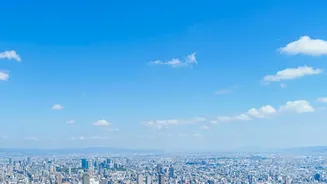
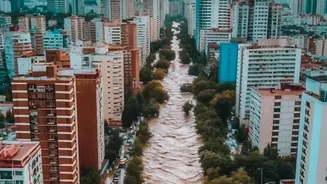
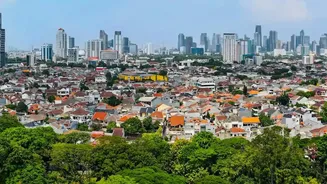
urban development in India has been synonymous with concrete and asphalt. This rapid, grey expansion has come at a cost. Cities are now grappling with the 'urban heat island' effect, where dense concentrations of buildings and roads absorb and retain heat, making urban areas significantly hotter than their rural surroundings. Cities like Delhi and Ahmedabad can be 3-5°C warmer than the adjacent countryside, exacerbating heatwaves and increasing energy consumption for cooling. This dense infrastructure also contributes to severe air pollution and increased water runoff during monsoons, leading to flooding as concrete prevents rainwater from being absorbed into the ground.
From Grey to Green: A New Philosophy
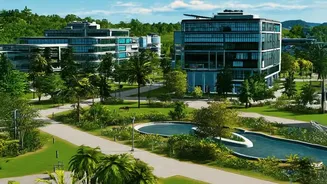
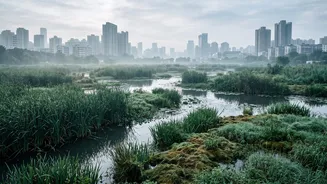
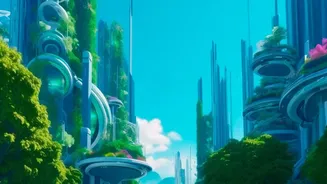
In response, a new philosophy is emerging among city planners. The goal is no longer just to build, but to build with nature. Instead of seeing infrastructure as purely functional, they are reimagining it as a canvas for ecological restoration. This involves reclaiming 'urban voids'—the forgotten, underutilised spaces like the areas beneath flyovers, barren public lands, and even rooftops. The focus is on creating 'blue-green infrastructure', an integrated approach that uses vegetation and water systems to solve urban problems. This shift treats green space not as an aesthetic add-on, but as essential infrastructure for public health and climate resilience.
Pioneering Projects Across India
This green transformation is already visible across the country. In Mumbai, the 'One Green Mile' project has turned the once-neglected space under the Senapati Bapat Marg flyover into a vibrant public area with greenery and community amenities. Navi Mumbai has gone a step further, building sports complexes with badminton courts and skating rinks under its flyovers. Meanwhile, cities like Bengaluru, Chennai, and Delhi are championing the Miyawaki technique, a Japanese method of planting dense, fast-growing mini-forests composed of native species. These tiny forests, sometimes grown on airport land or corporate campuses, can become biodiversity hotspots in just a few years.
More Than Just Pretty Parks
The benefits of these initiatives extend far beyond aesthetics. Urban green spaces act as natural air filters, reducing pollution and providing cleaner air to breathe. They are crucial for biodiversity, creating habitats for birds, insects, and other wildlife. Socially, these reclaimed areas foster community interaction, offering places for recreation, social gatherings, and relaxation, which has been linked to reduced stress and improved mental well_being. Ecologically, they help manage stormwater by absorbing rainfall, which recharges groundwater and mitigates flooding—a critical function in a changing climate.
Challenges on the Greener Path
Despite the momentum, reclaiming concrete is not without its challenges. Land scarcity in densely populated cities makes it difficult to allocate space, and projects often face competing urban priorities. A significant hurdle is the lack of comprehensive policy and funding for the long term maintenance of these green spaces, which require consistent watering, security, and care to prevent them from falling into neglect. Furthermore, there is a risk that these projects could be concentrated in wealthier neighbourhoods, raising questions of equitable access for all citizens. Overcoming these obstacles requires a coordinated effort between government bodies, private partners, and active community participation to ensure these green ambitions become a sustainable reality.