



Decoding Your Home’s Light
Before you choose a single plant, you must become an observer of light. The terms 'bright indirect' and 'low light' can feel vague, but they correspond to real, observable conditions in your home. The direction your windows face is the most important
clue. In the northern hemisphere, south-facing windows receive the most intense, direct sun for the longest part of the day. East-facing windows get gentler morning sun, while west-facing windows receive hot afternoon sun. North-facing windows offer the least light, providing a soft, indirect glow. Keep in mind that outdoor obstructions like trees, buildings, or even an overhang can significantly reduce the light that enters a room. A simple way to gauge intensity is the shadow test: place your hand a foot above a piece of paper. A sharp, dark shadow means direct sun, a softer shadow indicates bright indirect light, and a faint or non-existent shadow points to low light.
Plants for Sun-Drenched Walls
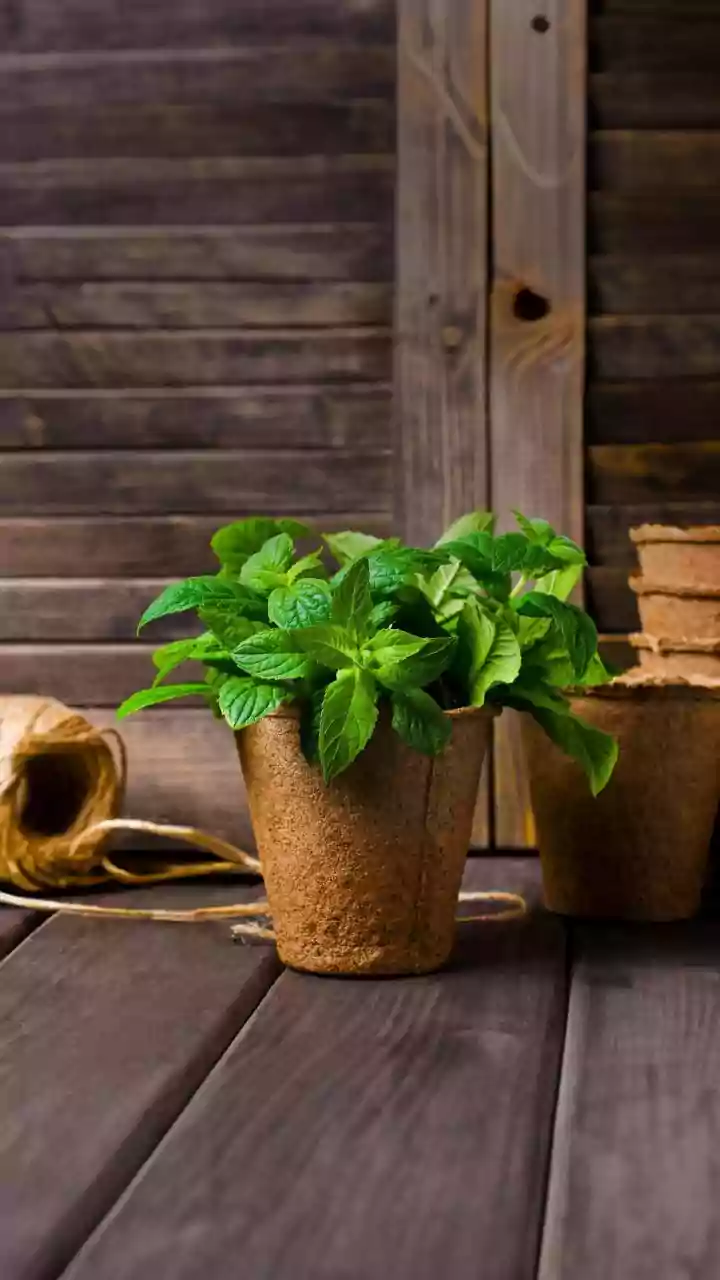
If your vertical garden will be against a wall that gets six or more hours of direct sun, such as near a south-facing or unobstructed west-facing window, you need plants that can handle the intensity. This is the perfect environment for most succulents like Echeveria, Sedum, and Haworthia, which store water and are adapted to arid, sunny conditions. Many herbs also thrive in high light, including rosemary, thyme, and oregano. For a splash of colour, flowering plants like ivy geraniums or even dwarf bougainvillaea can be stunning options. These sun-worshippers will reward you with dense growth and vibrant colours, but they will quickly scorch in a spot with too little light.
Thriving in Medium and Low Light
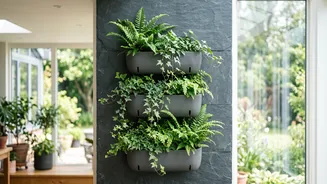
Most indoor walls don't get blasted with sun all day, which is good news because many of the most popular and beautiful foliage plants thrive in less intense conditions. For spots with bright, indirect light, such as near an east-facing window or a few feet back from a south-facing one, your options are plentiful. The undisputed king of indoor vertical gardens is the Pothos (Epipremnum aureum), famed for its tolerance of various light levels and its lush, trailing vines. Other champions include the Heartleaf Philodendron, Spider Plant, and many types of ferns, like the Boston Fern, which bring a soft, feathery texture. For truly low-light areas, such as a north facing wall, look to the nearly indestructible ZZ Plant and Snake Plant. The Peace Lily is another excellent choice that can even produce its elegant white flowers in lower light.
When Natural Light Isn't Enough
What if your heart is set on a living wall in a dark hallway or a windowless office? Don't despair. Modern LED grow lights can effectively replace sunlight, allowing you to create a vertical garden virtually anywhere. Insufficient lighting is a primary cause of failure for indoor living walls, leading to weak, stretched out plants. When choosing a grow light, look for 'full spectrum' LEDs. These lights are designed to mimic the natural light spectrum that plants need for photosynthesis, and many are now designed to cast a natural looking white light rather than an unpleasant purple glow. For best results, position the lights to provide even coverage over the entire wall. Many systems are designed to be mounted directly to the wall or on adjustable tracks. A timer is also essential, as most plants need a consistent cycle of 12 to 14 hours of light followed by a period of darkness to rest.
Smart Placement and Final Tips
Even on a single vertical garden system, light conditions can vary. The top rows often receive more light and dry out faster, making them suitable for more drought tolerant, sun loving plants. The bottom rows tend to be shadier, cooler, and retain more moisture, creating an ideal microclimate for plants that prefer those conditions, like ferns and philodendrons. Pay attention to your plants after they are installed. Are they 'reaching' or stretching towards the light with long, sparse stems? This is a clear sign they need more. Are the leaves looking scorched, pale, or crispy? They might be getting too much direct sun. A little observation goes a long way. The key is to see your wall not as a single planting space, but as a collection of mini environments each with its own potential.