


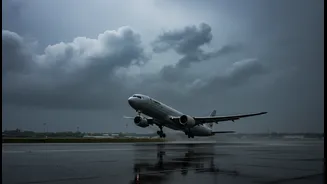




Why Monsoon Wreaks Havoc on Flights
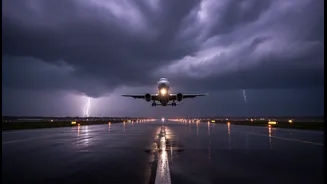
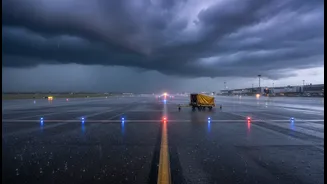
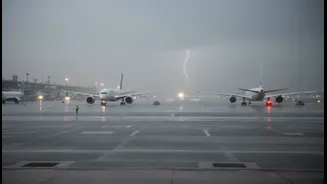
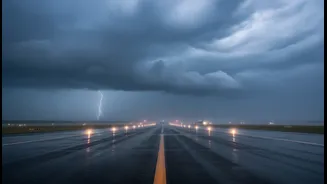
The Indian monsoon is a powerful force of nature. In Kolkata, it means torrential downpours, thunderstorms, strong gusty winds, and low cloud cover. For aviation, this combination is a recipe for disruption. Flights are rarely cancelled for rain alone,
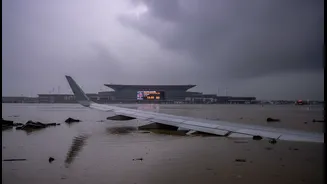
but the associated conditions cause problems. Extremely heavy rain can lead to waterlogging on runways, reducing braking effectiveness. Low visibility from rain and fog makes takeoffs and landings unsafe, while strong crosswinds can exceed the safety limits for aircraft. The India Meteorological Department (IMD) has forecast an intense monsoon spell for the region, with heavy rainfall expected to continue, prompting airlines to issue advisories. These factors force air traffic controllers to reduce the number of arrivals and departures, creating a ripple effect of delays.
Your Pre-Flight Monsoon Checklist
Preparation is your best defence against monsoon travel chaos. Before you even think about leaving for the airport, get proactive. First, constantly check your flight status. Download your airline’s app and enable notifications. Airlines like SpiceJet and IndiGo regularly post updates about weather-related disruptions in Kolkata. Second, check the weather forecast not just for Kolkata but for the entire region, as a strong monsoon trough can affect a wide area. Third, consider web check-in but hold off on leaving for the airport until you have a clearer picture. Heavy rains lead to severe waterlogging on city roads like the VIP Road, which can dramatically increase travel time to the airport.
The Art of the Travel Buffer
Experienced travellers swear by building buffers into their schedule, and it’s never more critical than during the Kolkata monsoon. A “buffer” isn’t just about leaving extra time; it’s a mindset. Give yourself an extra hour or two to get to the airport to account for rain-induced traffic jams. If you have a connecting flight, avoid tight connections. A one-hour delay on your first leg can easily cascade into a multi-hour delay later in the day, causing you to miss your next flight. Booking morning flights is a great strategy, as they are less likely to be affected by cascading delays from earlier in the day and afternoon thunderstorms. Finally, build a buffer for your arrival. Don't schedule an important meeting or event immediately after you land. Assume you might be late and give yourself a comfortable window.
Packing Smart for Delays
Assume your journey will be delayed and pack your cabin bag accordingly. This is your survival kit. Essentials include any prescription medications, a portable power bank for your phone (your lifeline for updates), and a change of clothes. Getting stranded overnight at an airport you didn't plan to be at is a real possibility. Having a fresh set of clothes and basic toiletries can make a huge difference. Also, pack some snacks and a reusable water bottle. During long delays, airport food courts can get overwhelmed and expensive. Keeping essentials with you means you are prepared for the worst-case scenario, even if your checked luggage is temporarily misplaced or delayed.
Know Your Rights When Delayed
While airlines are not required to provide monetary compensation for delays caused by weather (which is considered a 'force majeure' event), they still have a duty of care to passengers. According to regulations from the Directorate General of Civil Aviation (DGCA), if your domestic flight is delayed by two hours or more, you are entitled to free meals and refreshments. For longer or overnight delays, the airline must provide you with hotel accommodation and transport. Don't wait for the airline to offer these; you may need to politely but firmly request them from ground staff. If a flight is cancelled, the airline must offer you the choice between an alternate flight or a full refund. The choice is yours, not the airline's.