



A Perfect Tactical Marriage
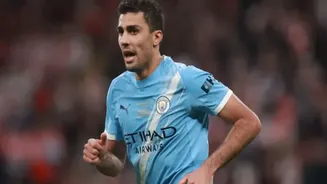
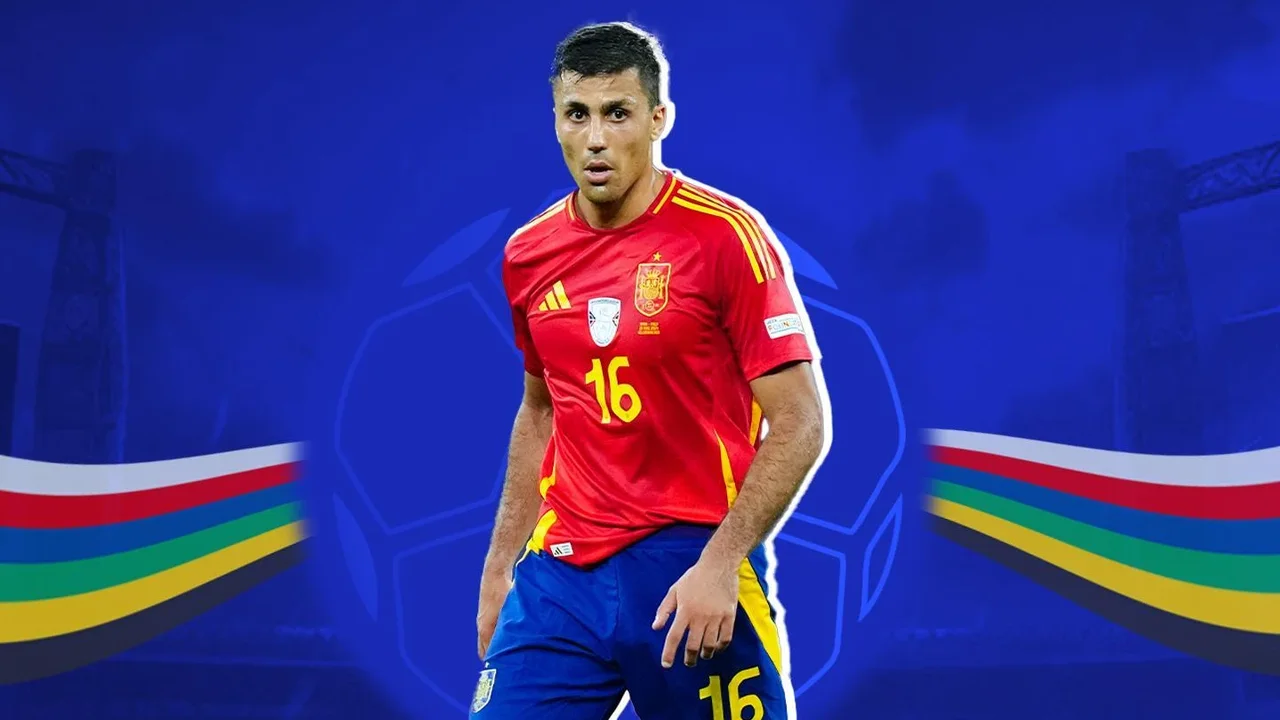
The single biggest reason for Rodri’s preference is tactical synergy. At Manchester City, under the tutelage of Pep Guardiola, Rodri was moulded into the world's finest single-pivot midfielder. His role is to control the game's tempo, shield the defence,
and initiate attacks from deep. This is the exact profile Barcelona has desperately sought since the departure of their own legendary pivot, Sergio Busquets. For years, the club’s identity has been built around a possession-based system with a highly intelligent defensive midfielder at its core. Reports suggest that even Guardiola, his former mentor, advised him that Barcelona's style of play was a far better fit than Madrid's. For Hansi Flick’s Barcelona, Rodri isn’t just a great signing; he is the missing piece, a player who can slide into the heart of their midfield and elevate the entire system without a single tactical adjustment.
The Real Madrid Mismatch
In contrast, Real Madrid has evolved. After the era of supreme control under Toni Kroos and Luka Modrić, the modern Madrid midfield is a powerhouse of dynamism and verticality. With players like Jude Bellingham, Federico Valverde, and Eduardo Camavinga, their strength lies in powerful runs and rapid transitions, overwhelming opponents with pace and energy. While Rodri would undoubtedly improve any team, his methodical, controlling style is not the primary feature of their current setup under José Mourinho. Integrating him would require a significant shift in their midfield dynamic, potentially sacrificing the blistering pace that makes their attack so feared. While Los Blancos were keen, Rodri would have been a stylistic outlier in their current squad, rather than the central cog he is poised to become at Barcelona.
The Influence of a Winning Squad
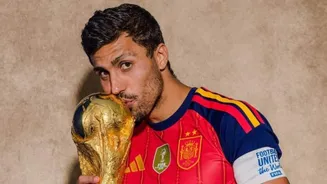
Beyond tactics, the human element cannot be ignored. Rodri is the captain of a Spanish national team that just conquered the world, and a significant portion of that victorious squad plays for Barcelona. Eight members of the World Cup-winning La Roja side, including key figures like Pedri, Gavi, and Lamine Yamal, are his club-level teammates-in-waiting. The prospect of joining a dressing room filled with familiar faces and established chemistry is a powerful draw. These are not just colleagues; they are players with whom he shares a deep, on-field understanding forged on the world's biggest stage. This pre-existing bond promises a seamless integration into the club's culture and is reported to have played a significant part in convincing him to choose Catalonia over the capital.
A Question of Legacy and Need
The decision also comes down to a player's legacy. At Real Madrid, a club famous for its 'Galácticos' policy, Rodri would be another superstar in an already glittering constellation of talent. At Barcelona, he represents something more fundamental: the return to an ideal. His arrival would be seen as the final piece of the post-Busquets puzzle, a move that reaffirms the club’s commitment to its footballing DNA. The urgency is heightened by a long-term knee injury to Frenkie de Jong, which has accelerated Barcelona's need for a world-class controller. While Real Madrid fans are reportedly furious about losing out on a prime target to their rivals, Barcelona's pursuit is born of deep structural necessity. By choosing Barça, Rodri steps into a role where he is not just wanted, but fundamentally needed to define the team's entire philosophy.