




The Making of a Health Myth
The popular “eight glasses of eight ounces” (roughly 2 litres) rule is one of health’s most durable myths. Its origins are murky but often traced back to a 1945 recommendation from the US Food and Nutrition Board. That advice suggested a daily intake
of about 2.5 litres of water, but a crucial detail was lost over time: the board stated that much of this quantity is contained in the food we eat. Fruits, vegetables, and even prepared meals contribute significantly to our total fluid intake. Somehow, the nuanced guideline was simplified into a rigid command to drink eight full glasses of plain water, a mantra that has persisted for decades without strong scientific backing.
Why One Size Fails Us All
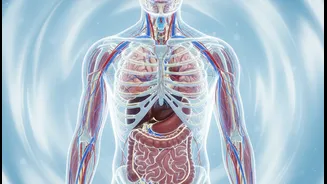
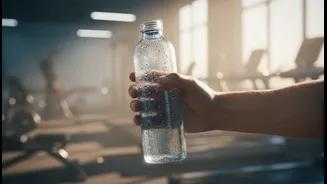
Your body is not a universal machine, and its hydration needs are highly personal. A fixed recommendation fails to account for the numerous factors that dictate how much water you actually need. Key variables include your body size, age, metabolism, and activity level. An athlete training for a marathon loses far more fluid through sweat than someone working at a desk in an air-conditioned office. Health conditions, pregnancy, and breastfeeding also significantly alter fluid requirements. The National Academies of Sciences, Engineering, and Medicine in the US suggest a broader range—about 2.7 litres for women and 3.7 litres for men daily, from all beverages and foods combined—but even this is just an average.
Hydration in the Indian Context
Climate is one of the most critical factors, and this is where a universal rule particularly fails those in India. Living in a hot and often humid environment dramatically increases fluid loss through sweating. During peak summer months, when temperatures can soar above 40°C, an adult's needs can rise to 3-4 litres or more, far exceeding the standard two-litre advice. The Indian Council of Medical Research (ICMR) sets a baseline of about 2 litres but explicitly states this must be adjusted upwards to account for India's climate. In humid coastal areas, sweat doesn't evaporate efficiently, making it harder for the body to cool down and increasing the risk of dehydration. Traditional drinks like nimbu pani, buttermilk (chaas), and coconut water are excellent for replenishing not just water but also essential electrolytes lost through sweat.
The Dangers of Drinking Too Much
While dehydration gets more attention, overhydration can be just as dangerous. Drinking excessive amounts of water in a short time can lead to a condition called hyponatremia, or water intoxication. This occurs when the sodium levels in your bloodstream become dangerously diluted. Sodium is a crucial electrolyte that helps balance fluids inside and outside your cells. When it's diluted, water rushes into the cells, causing them to swell. This is especially dangerous for brain cells, where swelling can lead to headaches, confusion, seizures, and in rare, extreme cases, can be fatal. Endurance athletes who consume large volumes of water without replacing lost electrolytes are at a higher risk, but it can happen to anyone who overdoes it.
Listen to Your Body, Not a Bottle
So, how can you tell if you’re getting the right amount of water? The best indicators are already built into your body. Thirst is your primary guide; if you feel thirsty, you should drink. However, thirst can be a late signal, so it's good to sip fluids throughout the day. Another simple and effective tool is checking your urine colour. Pale, straw-coloured urine generally indicates good hydration, while dark yellow suggests you need to drink more. Colourless urine might mean you are over-hydrated and can ease up. You can also perform a quick skin turgor test: gently pinch the skin on the back of your hand. If it snaps back quickly, you are likely well-hydrated. If it returns slowly, you may be dehydrated.