

Shielding Your Electronics from Moisture
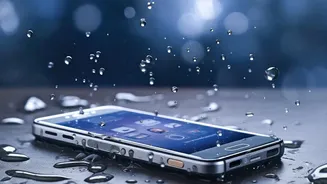
The golden rule for protecting electronics is layering. Start by placing phones, power banks, and cameras in individual waterproof pouches or simple zip-lock bags. For an extra layer of defence, especially during heavy downpours or treks, pack these smaller
bags into a larger, high-quality dry bag. These are specifically designed to keep contents dry even in extreme conditions. Look for roll-top closure bags, which create a more secure seal against moisture. Humidity is the unseen enemy, causing internal condensation. Combat this by tossing a few silica gel packets into your electronics bag; they absorb ambient moisture and can save your devices from slow, silent damage. Never charge a device that has been exposed to water until you are certain it is completely dry inside and out.
Fortifying Your Backpack
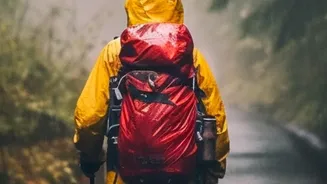
Your backpack is the first line of defence. While many bags claim to be water-resistant, very few are truly waterproof in a sustained downpour. The most reliable method is to use a dedicated rain cover, which many hiking packs now include. If your bag doesn't have one, they are an inexpensive and lightweight accessory to buy separately. For a DIY and highly effective solution, line the entire inside of your backpack with a large, heavy-duty plastic garbage bag before you start packing. This creates an internal waterproof barrier. Pay attention to zippers, as they are common points of water entry. Some premium waterproof bags have sealed zippers, but for most bags, this is a weak point.
Pre-emptive Shoe Protection
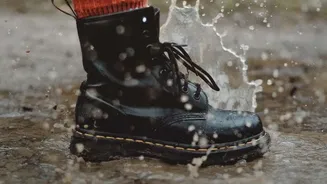
The battle for clean and dry shoes is won before you even step outside. Investing in a quality waterproofing spray is crucial. These sprays create a protective barrier that causes water to bead up and roll off the surface rather than soaking in. Apply the spray to clean, dry shoes, paying special attention to the seams. For leather shoes, a wax-based polish or dedicated conditioning cream can provide a robust water-resistant layer and keep the material supple. You can also use natural products like beeswax, which, when melted and applied to fabric or leather, creates an excellent seal. A simple home hack for temporary protection involves applying a thin layer of petroleum jelly, which can help repel water during light to moderate rain.
The Art of Drying Wet Shoes
Even with the best preparation, shoes can get soaked. How you dry them is critical to their longevity. The biggest mistake is using direct heat from a hairdryer or placing them near a heater, as this can crack leather, melt adhesives, and warp the shoe's shape. The most effective method is also the simplest: stuff them tightly with crumpled newspaper. The paper will absorb a remarkable amount of moisture overnight. For very wet shoes, you may need to replace the newspaper after a few hours. Always remove the insoles and loosen the laces to improve air circulation. Propping them in front of a fan can significantly speed up the process without causing heat damage.
Your On-the-Go Cleaning Kit
Dealing with mud is inevitable. A small, portable cleaning kit can make all the difference. Pack a small, stiff brush to scrape off dried mud—it's much easier to remove mud once it has hardened. Include a small microfibre cloth, which is highly absorbent and great for wiping down surfaces. A few wet wipes can handle immediate smudges. For odours caused by dampness, sprinkling talcum powder inside your shoes at night helps absorb moisture and freshen them up. To avoid fungal infections and odours, it's wise to rotate between at least two pairs of shoes, allowing one pair to dry out completely while you wear the other.