



More Than Just Mustard
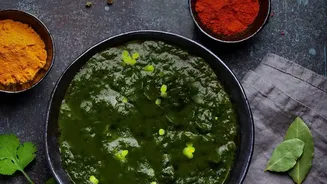
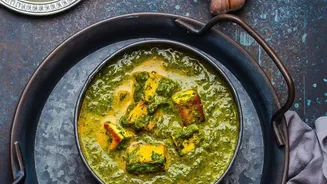
The term 'saag' is derived from the Sanskrit word 'shaak', which simply means leafy green vegetables. It is not one specific dish, but a culinary category for various preparations made from greens. While Sarson ka Saag, made from mustard leaves, is the most
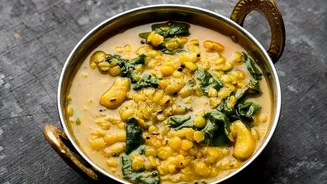
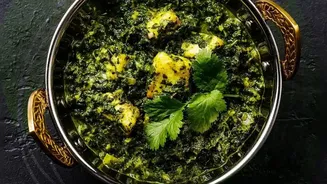
famous ambassador, especially during North Indian winters, it's just one member of a large and diverse family. From spinach (palak) to fenugreek (methi) and amaranth (chaulai), countless greens are cooked into wholesome dishes, each with a unique flavour profile and texture, representing the local produce and traditions of its region.
A Regional Tapestry of Greens
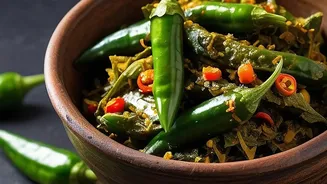
India's diverse climate means a wide array of greens thrive across the country. In the northern plains, winter brings an abundance of mustard greens, bathua (chenopodium), and spinach, often slow-cooked to a creamy consistency. Head east to Bengal, and you'll find Helencha Saag, known for its slightly bitter taste and medicinal properties. In Odisha, greens like 'kosala' or drumstick leaves (sajana saga) are integral to daily meals, often prepared simply to retain their natural taste. Southern states incorporate greens like water spinach (kalmi saag) and amaranth, frequently cooked with coconut for a milder, sweeter flavour profile. This regional variety isn't just about taste; it’s a reflection of eating fresh, seasonal produce, a cornerstone of a healthy diet.
The Nutritional Powerhouse
Leafy greens are nutritional superstars, and Indian saag preparations are a delicious way to consume them. They are generally low in calories but packed with dietary fibre, which aids digestion and promotes gut health. Greens are a rich source of essential vitamins like A, C, and K, and minerals such as iron, calcium, and potassium. For example, amaranth leaves (chaulai) are loaded with iron and vitamin C, while bathua is a great source of calcium and potassium. These nutrients are vital for everything from boosting immunity and improving vision to maintaining bone health and regulating blood pressure. The antioxidants found in abundance in these greens also help combat inflammation and may reduce the risk of chronic diseases.
The Art of Cooking Saag
Traditional Indian cooking methods for saag are often designed to maximise both flavour and nutrition. The slow-cooking process helps break down the greens, making them easier to digest. A final tempering, or 'tadka', of ghee with spices like cumin, garlic, and ginger not only adds a layer of flavour but also helps the body absorb fat-soluble vitamins like A, E, and K present in the greens. Combining different types of greens, as is common in Sarson ka Saag which often includes spinach and bathua, creates a more balanced nutritional profile and mellows the bitterness of some leaves. These dishes are typically served with flatbreads like roti, naan, or the classic makki ki roti (maize flour bread), creating a complete and satisfying meal.