

Saturn’s Stunning Annual Showcase
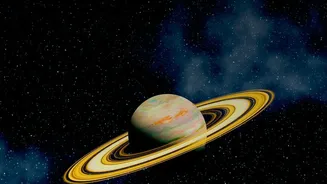
The main event this month is Saturn reaching opposition on October 4. This is the point in its orbit where Earth passes directly between the Sun and Saturn. For us on the ground, it means the ringed planet will be at its closest to Earth for the year,
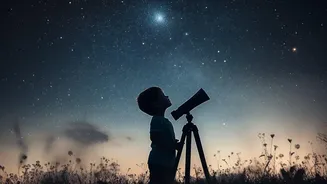
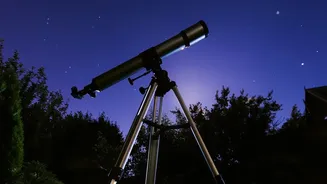
appearing bigger and brighter than at any other time. Visible all night long, Saturn will rise in the east around sunset and set in the west around sunrise. To the naked eye, it will look like a bright, steady, yellowish point of light. But if you have access to even a small telescope, this is the perfect time to try and spot its magnificent rings, which are now tilted favourably towards us after being nearly edge-on in 2025.
An Evening of Shooting Stars
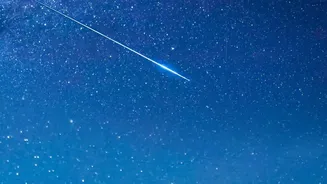
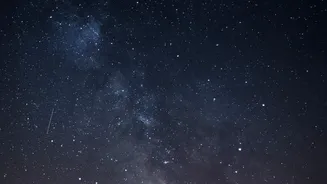
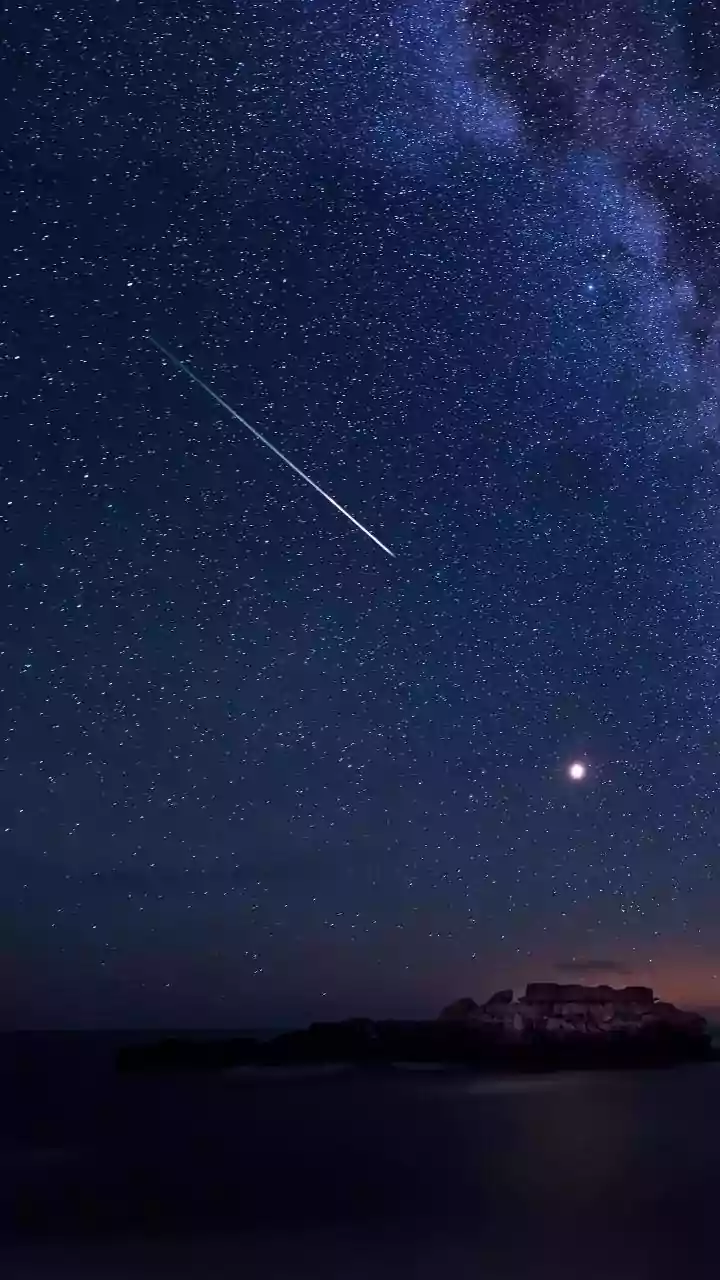
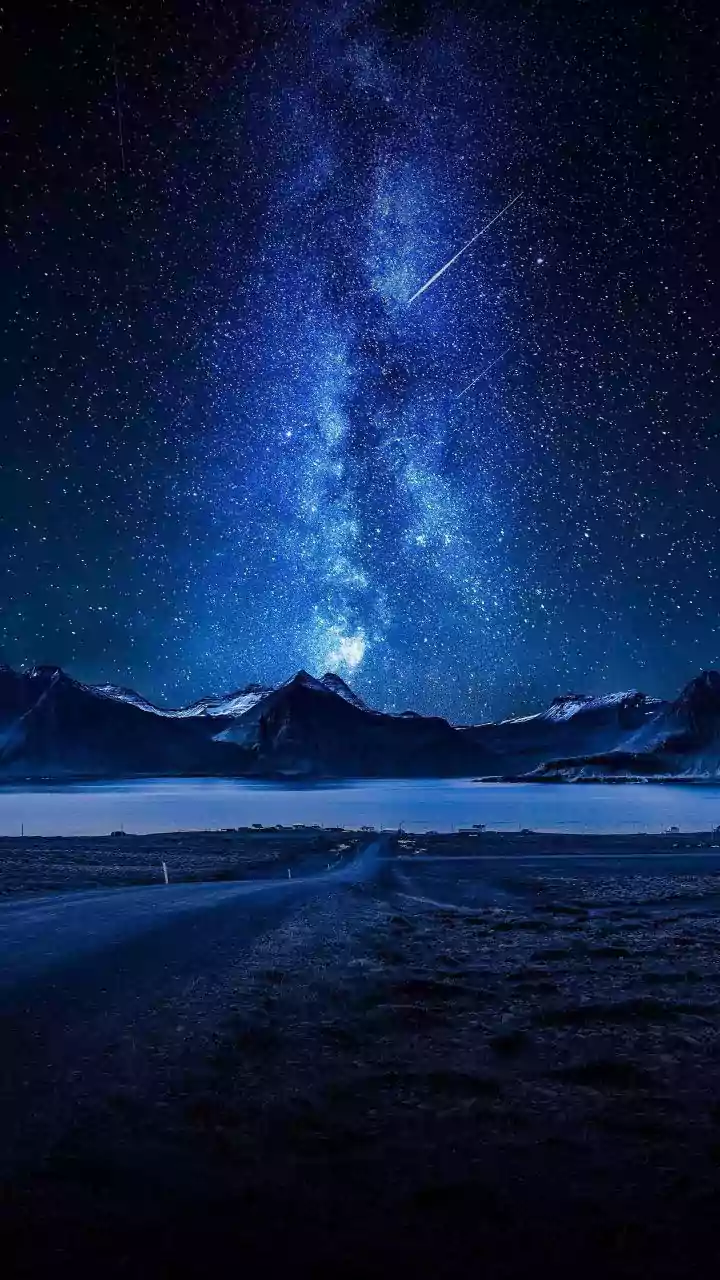
Just a few days after Saturn's opposition, the Draconid meteor shower will peak on the night of October 8-9. Unlike most meteor showers that are best viewed in the pre-dawn hours, the Draconids are special because they are best seen in the evening, shortly after nightfall. The shower is produced by debris left by the comet 21P/Giacobini-Zinner. While typically a minor shower with about 5-10 meteors per hour, 2026 offers excellent viewing conditions as there will be no bright moonlight to interfere, with the new moon occurring on October 10. So, find a dark spot away from city lights, look north towards the constellation Draco, and you might catch a few slow-moving meteors.
A Famous Comet’s Fiery Remnants
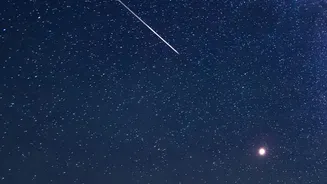
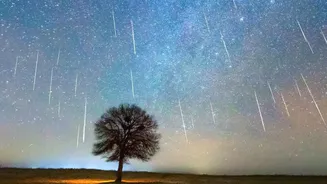
Later in the month, the famous Orionid meteor shower will light up the sky, peaking on the night of October 21-22. These meteors are fragments of dust left behind by the one and only Halley's Comet. The Orionids are known for being fast and bright, sometimes leaving persistent trails that glow for a few seconds. At its peak, you could see up to 20 meteors per hour under ideal dark-sky conditions. A bright moon will interfere with viewing during the evening this year, but it sets a few hours before dawn. This creates a perfect window for late-night or early-morning viewing. Look towards the constellation Orion, but the meteors can appear anywhere in the sky.
The Luminous Hunter’s Moon
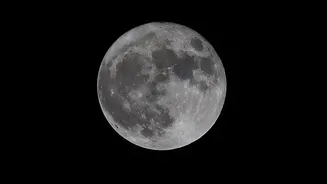
October will close with a beautiful full Hunter's Moon on October 26. This is the full moon that follows the Harvest Moon. The name comes from ancient traditions when the bright moonlight, combined with fields cleared after harvest, made it easier for hunters to spot prey as they prepared for winter. While the moon is technically full in the morning in India on October 26, the best time to watch will be the evening before, on October 25, when it rises in the east around sunset. As it rises, it often takes on a stunning golden or orange hue due to Earth's atmosphere, creating a breathtaking sight against the twilight sky.