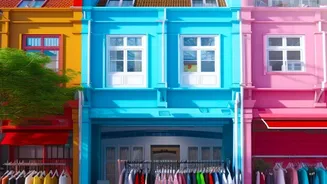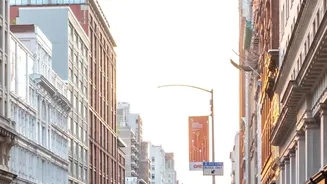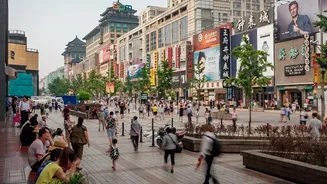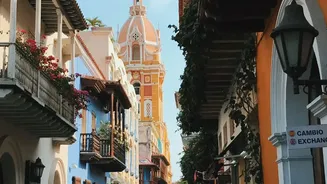




In our fast-paced, car-centric world, a growing movement is reclaiming city streets for people. These pedestrian-friendly zones transform urban spaces into hubs of culture, commerce, and community, designed for slower, richer exploration.
The Big Picture: Why Walkable Streets Matter
Before diving
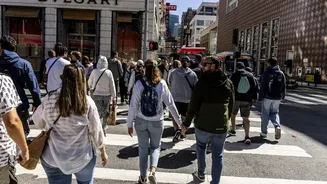
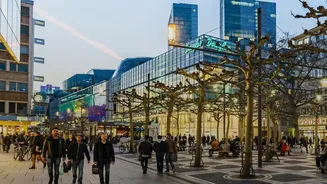
into specific examples, it’s worth understanding the 'why' behind pedestrianization. Creating car-free or car-limited zones is about more than just convenience; it’s a fundamental shift in urban philosophy. These spaces encourage physical activity, reduce air and noise pollution, and create a safer environment for everyone, especially children and the elderly. Economically, they are a boon for local businesses, which often see increased foot traffic and sales. Socially, they foster a stronger sense of community by providing a public stage for interaction, events, and spontaneous encounters. By turning asphalt into an asset for people, cities are becoming healthier, wealthier, and more connected.
Copenhagen, Denmark: The Pioneer of Pedestrianization
No discussion of pedestrian streets is complete without mentioning Strøget in Copenhagen. In 1962, against a backdrop of controversy and skepticism, the city transformed this central thoroughfare into a car-free zone. Many merchants feared it would kill their business, but the opposite happened. Today, Strøget is one of Europe's longest pedestrian shopping streets, a bustling 1.1 km artery connecting City Hall Square to King's New Square. It’s a vibrant mix of high-end shops, department stores, and budget-friendly chains, all experienced at a human pace. The success of Strøget, whose name fittingly means 'to stroll,' inspired a wave of similar projects globally and remains a benchmark for people-first urban design.
York, England: A Step Back in Medieval Times
Walking down The Shambles in York feels like stepping onto a film set. This remarkably preserved medieval street, with its overhanging timber-framed buildings, is so narrow that in some places the rooftops nearly touch. The name derives from 'fleshammels,' the shelves on which butchers once displayed meat. The street’s unique architecture was practical; the jettied upper floors were designed to protect the meat below from sunlight. Today, the butchers are gone, replaced by quaint independent shops, tea rooms, and Harry Potter-themed stores, a nod to the street's atmospheric resemblance to Diagon Alley. As a pedestrian-only zone, its historic charm and safety are enhanced, allowing visitors to wander the cobblestones freely.
Quebec City, Canada: Old World Charm in North America
Nestled at the foot of Cap Diamant is Rue du Petit_Champlain, often called one of the most beautiful streets in North America. This narrow, cobblestoned lane in the heart of Old Québec captures a distinct European feel with its 17th_century stone buildings, artisan boutiques, and cozy bistros. Named for the city's founder, Samuel de Champlain, the area was once a bustling port_side village for merchants and artisans. After falling into disrepair, a visionary revitalization project in the 1970s transformed it into the vibrant, pedestrian_friendly hub it is today. Its charm is amplified by seasonal decorations, from blooming flower boxes in summer to enchanting fairy lights in winter, making it a magical year_round destination.
Not all pedestrian_friendly streets are defined by historic architecture. Melbourne's Hosier Lane is a dynamic , ever_changing outdoor art gallery . This cobbled bluestone alley , once a humble service laneway for the garment district , became a focal point for street artists in the 1990s . Today , it's celebrated for its dense layers of graffiti , stencils , and murals , with new works constantly painted over old ones . The lane’s status as an approved street art space has turned it into a major cultural attraction , drawing tourists , photographers , and art lovers who come to witness the vibrant , chaotic , and unfiltered expression of urban creativity . It’s a testament to how public space can be reclaimed not just for walking , but for raw , accessible art .