



The Silent Damage of the Slouch
Our bodies are not designed for prolonged sitting. When we spend hours hunched over a desk, we place our joints and muscles under unnatural stress. This poor posture forces the spine out of its natural alignment, putting excessive pressure on the vertebrae
and the discs that cushion them. Over time, this misalignment can lead to abnormal wear and tear on the cartilage, the protective tissue in our joints. This process can accelerate the onset of degenerative conditions like osteoarthritis, where bones can eventually rub directly against each other, causing chronic pain, inflammation, and stiffness. Beyond the back, slumping forward strains the neck and shoulders, while keeping hips in a constant state of flexion can shorten and tighten the surrounding muscles, restricting mobility.
Master Your Desk Ergonomics
The good news is that you can fight back against this structural decline with proper ergonomics. The goal is to create a setup that supports the natural alignment of your body. Start with your chair. Adjust its height so your feet are flat on the floor, with your knees forming a 90-degree angle at or slightly below your hips. Your lower back should be supported; use a lumbar cushion if your chair lacks built-in support to maintain the natural curve of your spine. Your monitor should be at eye level to prevent you from tilting your head. Keep your keyboard and mouse close enough that your elbows can remain near your body at roughly a 90-degree angle, with relaxed shoulders and straight wrists.
Don't Forget Your Knees
Knee pain from sitting is a common complaint, often stemming from poor positioning and inactivity. Keeping your knees bent for hours can lead to stiffness and reduced blood flow. Ensure there is a small gap between the back of your knees and the edge of your chair to avoid compressing nerves and blood vessels. Your ankles should be in front of your knees, not crossed or tucked underneath you. If your feet don't comfortably reach the floor, use a footrest. This simple tool helps maintain the crucial 90-degree knee angle and can also help reduce swelling by elevating the feet slightly. Most importantly, avoid staying in one position for too long; regular movement is key to keeping joints lubricated and healthy.
Movement is the Best Medicine
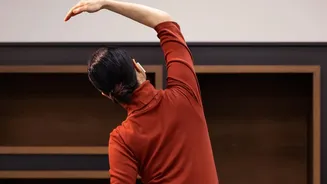
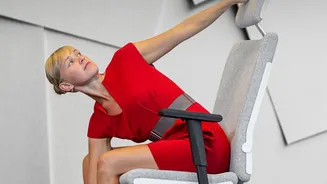
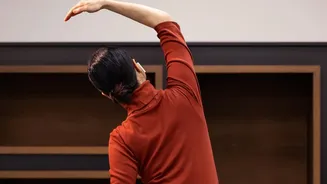
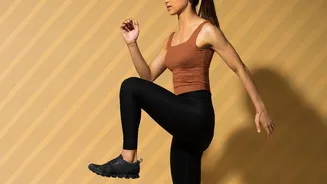
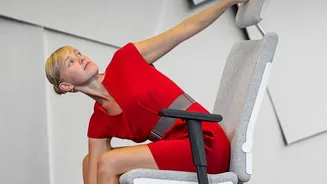
Even the most perfect posture is no substitute for movement. A sedentary state is a major risk factor for joint problems. Set a timer to remind yourself to get up and move for a few minutes every 30 to 60 minutes. You don't need a full workout; simple stretches can make a huge difference. Try a seated torso twist to improve spinal mobility or a hip flexor stretch by stepping one leg back while seated. While standing, do some shoulder blade squeezes to counteract slouching. Marching in place can improve circulation and range of motion in the hips and knees. These small but frequent movements stimulate the production of synovial fluid, which lubricates your joints, and strengthens the muscles that support them, preserving your function for the long term.