





From Trash to Treasure
The zero-waste movement has encouraged us all to look at kitchen scraps differently, and herb stems are a prime example of hidden potential. While we prize the delicate leaves, the stems of soft herbs like coriander and mint are packed with a surprising
amount of flavour and aromatic compounds. Often more robust and peppery than the leaves, these stems are perfect for infusing into oil, capturing their essence in a versatile, long-lasting form. By turning these often-discarded parts into a beautiful, flavourful oil, you not only reduce food waste but also create a high-impact pantry staple for next to nothing. It’s a simple, sustainable practice that adds a chef-level touch to your home cooking.
The Master Technique for Herb Oil
Creating a vibrant green herb oil is simpler than you might think and the technique works for any soft herb. The key is a quick blanch and shock. First, bring a pot of salted water to a rolling boil and prepare a large bowl of ice water. Drop your herb stems into the boiling water for just 10-15 seconds. This quick blanch locks in the bright green colour and neutralises enzymes. Immediately transfer the stems to the ice bath to stop the cooking process. Once cooled, squeeze out as much water as possible and pat them thoroughly dry—water is the enemy of a stable oil. Add the dry, blanched stems to a high-speed blender with a neutral-flavoured oil like grapeseed, or a light olive oil if you prefer. A good ratio to start with is one packed cup of stems to about half a cup of oil. Blend on high until smooth, then pour the mixture through a fine-mesh sieve lined with cheesecloth or a coffee filter and let it drip through naturally. Do not press on the solids, as this can make your oil cloudy.
Safe Storage Is Essential
When you introduce fresh ingredients like herbs into an oxygen-free oil environment, it's crucial to be mindful of food safety. Specifically, there is a risk of Clostridium botulinum, the bacteria that causes botulism, which can thrive in these conditions if stored improperly at room temperature. Commercial infused oils are often acidified to make them shelf-stable, but for homemade versions, the safest approach is refrigeration. Once your beautiful oil is strained, transfer it to a clean, airtight bottle or jar and store it in the fridge immediately. It should be used within one to two weeks. For longer storage, you can freeze the oil in an ice cube tray, popping out a flavourful cube whenever you need it.
Spotlight On: Vibrant Coriander Stem Oil
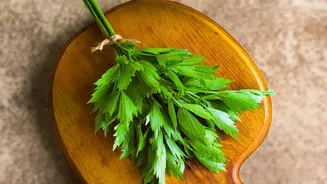
Coriander stems, known as cilantro in other parts of the world, produce an oil that is intensely fresh, with bright, peppery, and citrusy notes. It’s a fantastic finishing oil that can elevate a wide range of dishes. Drizzle it over a warm bowl of dal, chana masala, or any lentil soup to add a final burst of freshness. It’s also wonderful over scrambled or fried eggs, grilled paneer, and roasted vegetables. A swirl of coriander oil on top of a creamy yogurt dip or raita adds both colour and a professional flair. Its bright flavour pairs beautifully with fish and chicken, making it a great addition to marinades or as a final touch before serving.
Spotlight On: Cool and Complex Mint Stem Oil
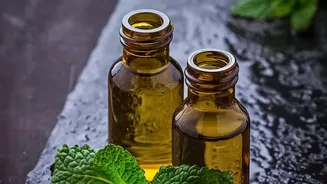
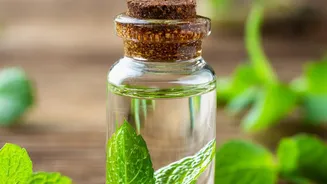
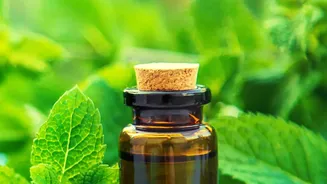
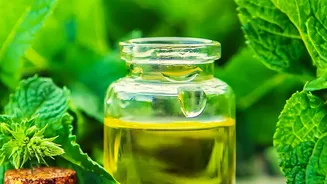
Unlike the leaves, mint stems yield an oil that is less sweet and more coolly herbaceous, offering a refreshing and complex flavour. This makes it incredibly versatile. Try drizzling it over a fresh fruit salad, particularly with melon or berries, to enhance their natural sweetness. It's a classic pairing with lamb, so use it as a finishing touch on grilled chops or a roast. Mint oil can also be whisked into a simple vinaigrette for a crisp salad dressing or stirred into plain yogurt to create a quick, flavourful dip for kebabs or vegetable fritters. For a creative twist, a few drops can even add a sophisticated, herbal note to a gin-based cocktail.
Beyond Mint and Coriander
This infusion technique is not limited to just mint and coriander. It’s a gateway to a whole world of zero-waste flavours. Parsley stems, which are often discarded, create a bright, grassy oil that's perfect for drizzling over pasta, potatoes, or fish. The stems of dill will give you an oil that's a natural match for seafood, cucumber salads, and yogurt-based sauces. Even basil stems can be used, producing a pungent, peppery oil that is a great base for vinaigrettes or for finishing a caprese salad. The general rule is that if the herb has soft, tender stems, it’s a great candidate for an infused oil. Experiment with the stems you have on hand and discover your own signature flavours.