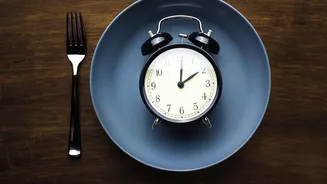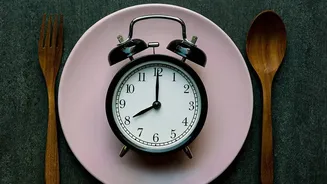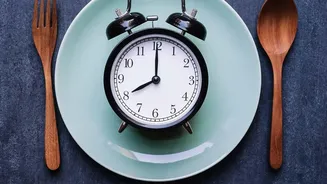







That late-night snack or tendency to burn the midnight oil might be affecting more than just your energy levels the next day. Emerging science reveals a powerful connection between our sleep and eating schedules and the delicate balance of our gut health.
Understanding Your Body's Internal Clock
Deep inside every one of us is a master timekeeper known as the circadian rhythm. This is your body's roughly 24-hour internal clock, which governs everything from your sleep-wake cycle to hormone release and digestion. Primarily set by exposure to light, this 'master clock' in the brain works to coordinate a symphony of functions, ensuring your body does the right things at the right times. For example, it tells your digestive system to be active and ready for food during the day and to slow down and rest at night. When our lifestyle falls out of sync with this natural rhythm—through late nights, shift work, or irregular meal times—it can throw this entire system into disarray, leading to a state known as circadian misalignment.
Meet the Trillions of Tenants in Your Gut
Your gut is home to a bustling metropolis of trillions of microorganisms, including bacteria, viruses, and fungi, collectively known as the gut microbiome. This internal ecosystem is far from passive; it plays a critical role in your overall health by helping to digest food, produce essential nutrients like short-chain fatty acids, regulate your immune system, and even influence your mood. Just like you, this microbial community has its own daily rhythm. The composition and activity of your gut bacteria fluctuate predictably over a 24-hour period, influenced heavily by your eating patterns. This rhythm ensures they are prepared to help you digest and process meals when you are most likely to eat.
When Your Clock and Gut Collide
The problem arises when our external schedules don't match our internal clocks. Eating late at night essentially forces your gut to work overtime when it's programmed to be resting. This misalignment sends confusing signals throughout your body and directly impacts your gut microbiome. Research increasingly shows this is a two-way street: not only does our circadian rhythm influence our gut bacteria, but the byproducts from our gut bacteria can also provide feedback to our body's clocks. When you sleep late or eat at irregular hours, you disrupt the microbes' natural cycles. Studies have linked this disruption to lower microbial diversity, which is generally considered a marker of poor gut health.
The Ripple Effects of Late Habits
This desynchronisation can have tangible consequences. A recent study from UTHealth Houston found that adults with obesity who were 'night owls' and ate their meals later in the day were more likely to have traits associated with metabolic syndrome, such as high blood pressure and abnormal cholesterol. Researchers believe the gut is a key player in this link. The study suggests that late eating and sleep patterns can contribute to a weakened intestinal barrier, a condition sometimes called 'leaky gut', which allows inflammatory substances to pass into the bloodstream. Other research has shown that late-night eating can alter the gut microbiome in ways that reduce the production of beneficial short-chain fatty acids, which are vital for gut barrier integrity and controlling inflammation.
Simple Steps to Realign Your Rhythms
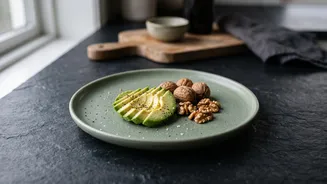
The good news is that these lifestyle factors are modifiable. You can take practical steps to better align your daily habits with your internal clock, a field known as chrononutrition. The goal isn't perfection but consistency. Try to establish a regular sleep-wake cycle, even on weekends, to support your master clock. Aim to consume the majority of your calories earlier in the day and create a window of time for eating, for instance between 8 a.m. and 7 p.m. This practice, often called time-restricted eating, gives your digestive system a predictable and extended period of rest each night. Even small shifts, like avoiding large, heavy meals within three hours of bedtime, can make a significant difference in supporting the natural rhythm of your gut.