


The Dosa Gets a Healthy Makeover
For generations, the South Indian breakfast table has been dominated by the comforting presence of the dosa. Made from a fermented batter of rice and lentils, its crispy texture and savoury taste are a national treasure. But look closely at cafe menus
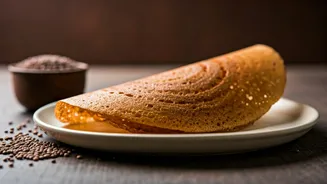
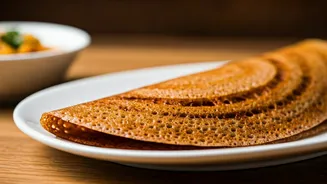
and kitchen counters today, and you’ll notice a new contender rising in popularity. It's darker, has a distinctive nutty flavour, and comes with a host of health credentials. This is the ragi dosa, and it's not just a fleeting trend; it represents a significant shift in how we think about our first meal of the day.
Rediscovering an Ancient Supergrain
So, what exactly is ragi? Known as finger millet in English, ragi is a hardy, ancient grain that has been cultivated in India and Africa for thousands of years. Historically, it was a staple food, especially in the southern states like Karnataka, where it was prized for its resilience in arid conditions and its ability to provide sustained energy. Often considered a 'poor man's food', it was gradually overshadowed by polished rice and wheat during the Green Revolution. However, as modern lifestyles prompt a search for healthier, more sustainable food choices, ragi is making a powerful comeback, moving from rural kitchens to the centre stage of urban wellness.
A Nutritional Powerhouse
The primary driver behind ragi’s resurgence is its incredible nutritional profile. Unlike its rice-based counterpart, ragi dosa is a powerhouse of health benefits. First, it's a fantastic source of calcium—in fact, it contains more calcium than any other cereal, making it excellent for bone health. It’s also rich in iron, which helps combat anaemia, and packed with dietary fibre. This high fibre content not only aids digestion but also promotes a feeling of fullness, preventing mid-morning snack cravings. Crucially for many, ragi is naturally gluten-free, making it an ideal choice for those with gluten sensitivity or celiac disease. Its low glycemic index ensures a slow release of sugar into the bloodstream, which helps in managing blood sugar levels and providing steady energy throughout the morning.
From Farmer's Food to Urban Chic
The journey of ragi from a humble farm staple to a trendy menu item is a story of changing cultural values. As urban India becomes more health-conscious, there's a growing 'back-to-roots' movement. Consumers are increasingly looking for indigenous ingredients and traditional recipes that align with modern wellness goals. The ragi dosa fits this narrative perfectly. It’s authentic, nutritious, and inherently Indian. Chefs and home cooks alike are embracing it, celebrating its earthy flavour and versatility. Restaurants are featuring it as a healthy alternative, and social media is filled with images of perfectly crisp, dark-brown ragi dosas, transforming it from a forgotten grain into a symbol of mindful eating.
Making the Switch at Home
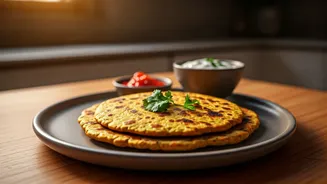
One of the best parts about this trend is its accessibility. Incorporating ragi dosa into your morning routine is surprisingly simple. For those who prefer the traditional method, ragi flour can be easily mixed into your regular dosa batter, adding a nutritional boost without much extra effort. For a pure ragi experience, you can create a batter solely from ragi flour and a little urad dal. But for the time-pressed, the market is now flooded with high-quality instant ragi dosa mixes. These mixes allow you to whip up a healthy, delicious breakfast in minutes—just add water or curd, and your batter is ready to go. This convenience has been a game-changer, making it easier than ever for busy families to enjoy the benefits of this supergrain.