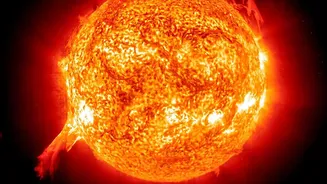


In a landmark achievement for space science, India's Aditya-L1 and the European Space Agency's Proba-3 missions have joined forces. This powerful partnership has produced a groundbreaking study on the Sun's volatile and mysterious outer atmosphere.
A Tale of Two Trailblazing Missions
At
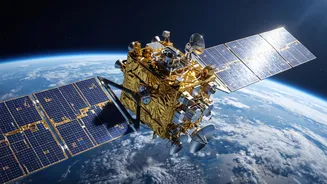
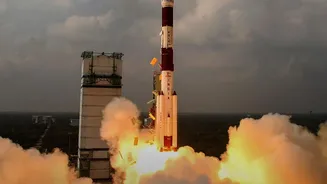
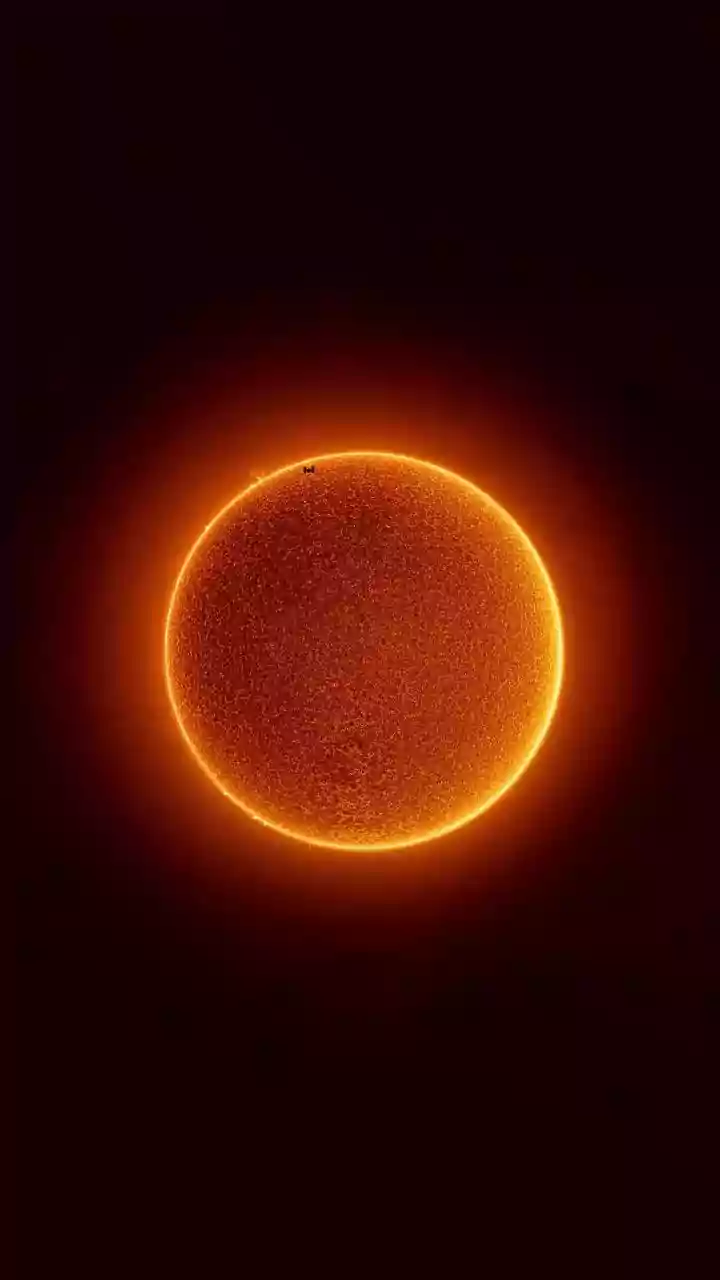
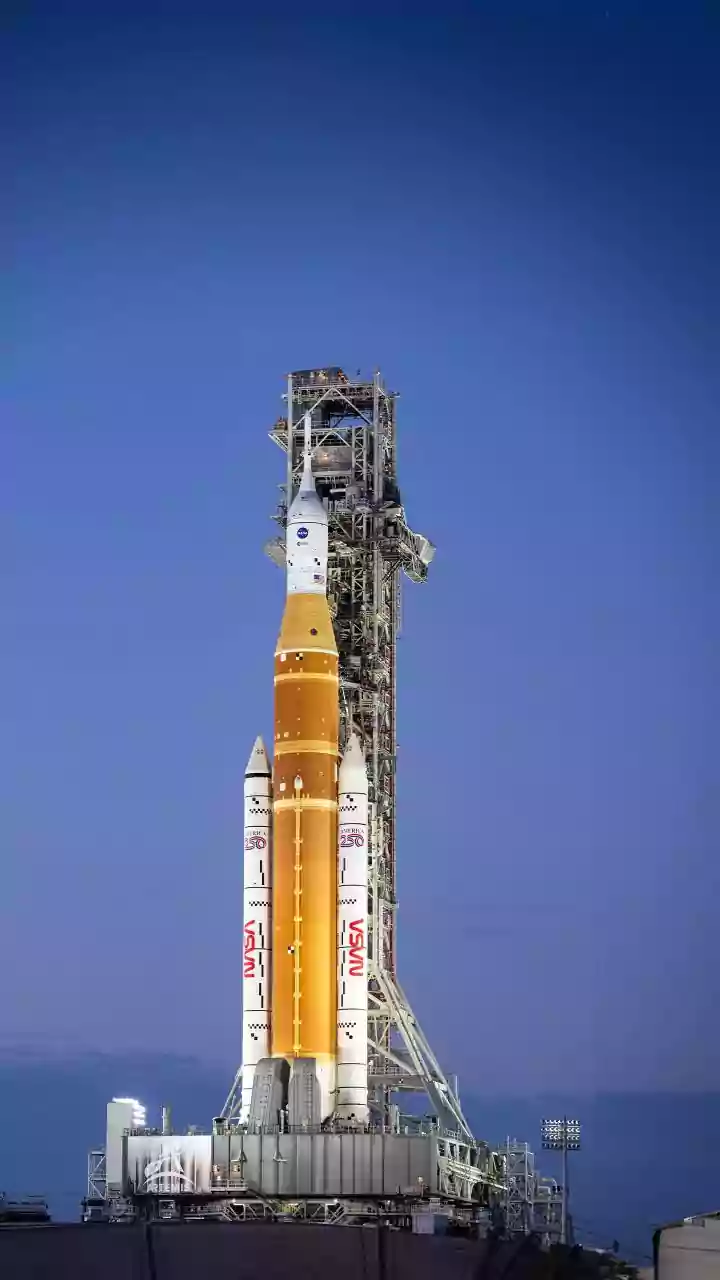
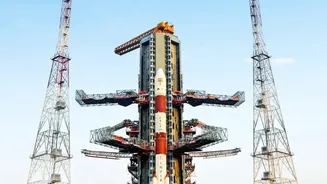
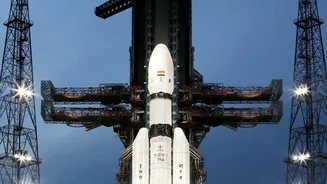
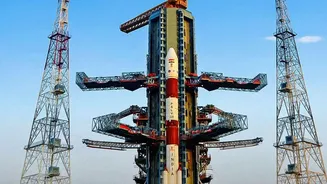
the heart of this collaboration are two of the world's most advanced solar observatories. On one side is Aditya-L1, India's first-ever dedicated mission to study the Sun, launched by ISRO on September 2, 2023. It is strategically positioned at the first Lagrange point (L1), about 1.5 million kilometres from Earth, which gives it an uninterrupted view of our star. On the other side is the European Space Agency's (ESA) Proba-3, a revolutionary mission launched on December 5, 2024—incidentally, aboard an Indian PSLV-XL rocket. Proba-3 is the world's first precision formation-flying mission, where two separate spacecraft fly in perfect alignment to achieve a singular scientific goal. This partnership is a testament to growing international cooperation in space exploration, building on workshops and joint efforts between ISRO and ESA to maximize the scientific return from their sophisticated missions.
Creating an Eclipse in Space
Observing the Sun's outer atmosphere, or corona, is notoriously difficult. The Sun's bright surface, the photosphere, is millions of times brighter than the faint corona, washing it out completely. Scientists have historically relied on natural total solar eclipses, but these are rare and brief. The Aditya-L1 and Proba-3 partnership offers an ingenious solution. Proba-3's two satellites fly in a precise formation about 150 metres apart. One satellite, the 'Occulter', blocks the direct light from the Sun, casting a perfect shadow over the other satellite, the 'Coronagraph'. This creates a sustained, artificial solar eclipse in space, allowing the instruments to capture unprecedentedly clear views of the very faint inner corona. This technique dramatically reduces the problem of 'stray light' that can plague traditional, single-spacecraft coronagraphs, providing data of exceptional quality.
What the Joint Study Revealed
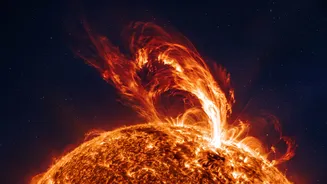
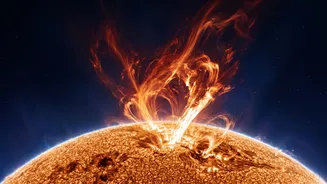
For the first time, researchers led by the Indian Institute of Astrophysics (IIA) in Bengaluru have combined data from Aditya-L1's VELC instrument and Proba-3's ASPIICS coronagraph to analyse the same solar events. The resulting study, published in the prestigious journal 'Astronomy & Astrophysics', focused on two Coronal Mass Ejections (CMEs) that occurred in September 2025. CMEs are massive eruptions of plasma and magnetic fields from the Sun that can trigger space weather events, disrupting satellites and communication networks on Earth. By synergising the two instruments, scientists were able to measure the mass, density, and energy of these eruptions closer to the Sun's surface than ever before. One key finding was the strong agreement between the mass and thermal energy estimates derived independently from both spacecraft, which boosts confidence in the accuracy of their measurements.
Complementary Instruments, Complete Picture
The strength of this partnership lies in how the instruments complement each other. Aditya-L1's Visible Emission Line Coronagraph (VELC) performs spectroscopy, analysing the properties of light to understand the temperature and speed of the coronal plasma, which can reach over a million degrees Celsius. Proba-3's ASPIICS instrument, on the other hand, captures crisp images of the corona in white light, allowing for precise measurements of a CME's shape, speed, and mass. While VELC provides information on the two-million-degree gas, ASPIICS tracks its structure and movement. By combining the 'what' (spectroscopy) with the 'where' (imaging), scientists can build a much more comprehensive 3D picture of how these violent eruptions begin and evolve in their earliest moments.
Pioneering the Future of Solar Physics
This joint analysis of two CMEs is more than just a single discovery; it's a proof-of-concept for a new era in solar research. The success of this collaboration demonstrates that coordinating observations from multiple, advanced spacecraft can unlock physical details that a single mission cannot. The ability to accurately track the energy and mass of CMEs from their very inception is a critical step toward improving space weather forecasting. This can help protect our vital satellite infrastructure and power grids on Earth from the Sun's powerful outbursts. The Aditya-L1 and Proba-3 partnership serves as a powerful model, showcasing how international cooperation and technological synergy are pushing the boundaries of our understanding of the star that makes life on Earth possible.