



Why Yoga For Exam Stress?
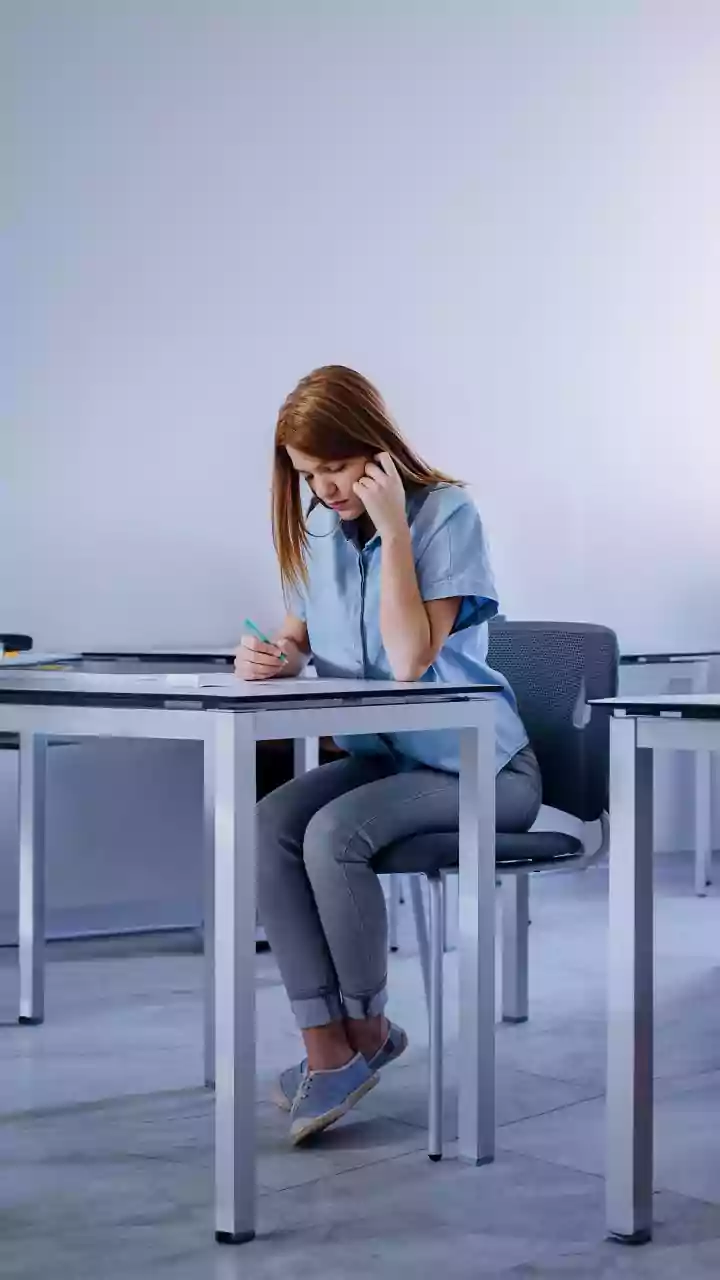
During stressful periods like exams, the body produces more of the stress hormone cortisol, leading to anxiety, fatigue, and trouble concentrating. Yoga provides a powerful antidote. It combines gentle physical movement with controlled breathing and mindfulness,
a practice that helps calm the nervous system and lower stress levels. It's not just about becoming more flexible; it's about building mental resilience. Regular practice can improve focus, enhance memory, and release the physical tension that builds up in the neck, shoulders, and back from long hours of studying.
Child's Pose (Balasana)
This is the ultimate reset button. When feeling overwhelmed, Child's Pose provides a moment of quiet retreat. It gently stretches the lower back, hips, and thighs while relieving neck and back strain. To do it, kneel on the floor, sit back on your heels, and fold forward, resting your forehead on the mat. You can stretch your arms forward or rest them alongside your body. Focus on breathing deeply into your back, holding the pose for at least 30 seconds to feel your mind and body calm down.
Cat-Cow Stretch (Marjaryasana-Bitilasana)
Sitting for hours can make the spine stiff and sore. The Cat-Cow stretch is a simple, flowing movement that wakes up the spine and relieves tension in the back, shoulders, and neck. Start on your hands and knees. As you inhale, drop your belly and look up, arching your back (Cow Pose). As you exhale, round your spine up toward the ceiling, tucking your chin to your chest (Cat Pose). Repeating this fluidly for a minute can ease backache and promote a sense of calm.
Standing Forward Bend (Hastapadasana)
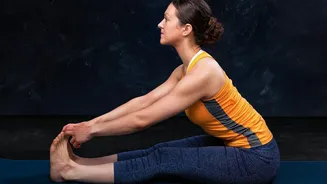
This pose is excellent for invigorating the nervous system and increasing blood flow to the brain, which can help you feel more relaxed and focused. It also gives the hamstrings and calves a much-needed stretch. From a standing position, exhale and bend forward from your hips, letting your head hang heavy. It doesn't matter if you can't touch your toes; just bend your knees generously and let your upper body relax completely. This simple inversion helps calm the mind and relieve tension.
Eagle Arms (Garudasana Arms)
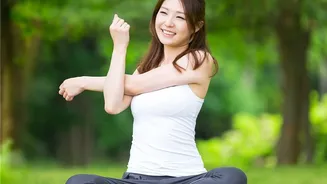
A lot of study-related tension gathers in the upper back and shoulders. This stretch targets that area directly and can even be done while sitting at a desk. Extend your arms forward, cross one elbow over the other, and try to bring your palms together. If that's too much, simply press the backs of your hands together. Lift your elbows slightly and feel the stretch between your shoulder blades. Hold for a few deep breaths and then switch sides. It’s a quick and effective way to undo the 'study slump'.
Legs-Up-The-Wall Pose (Viparita Karani)
After a long day of sitting, this restorative pose feels incredible. It helps soothe tired legs and feet, gently stretches the back of the legs, and has a deeply calming effect on the entire nervous system. Simply lie on the floor and swing your legs up so they rest against a wall. Your body should form an 'L' shape. Place a cushion under your lower back for extra comfort. Close your eyes and rest here for five to ten minutes to reduce fatigue and anxiety. It’s a simple way to recharge before another study session.